in chronological order — arranged according to the order in which events occurred in time
Part of speech: ADVERB
Definition: arranged according to the order in which events occurred in time
Pronunciation (IPA): /ɪn ˌkrɑːnəˈlɑːdʒɪkəl ˈɔːrdər/
Example Sentences
- The detective arranged the crime scene photos in chronological order to solve the mystery.
- My grandmother's diary entries were perfectly kept in chronological order for 50 years.
- The museum displays ancient artifacts in chronological order, from Stone Age to modern times.
in chronological order
ADVERB[/ɪn ˌkrɑːnəˈlɑːdʒɪkəl ˈɔːrdər/]
arranged according to the order in which events occurred in time
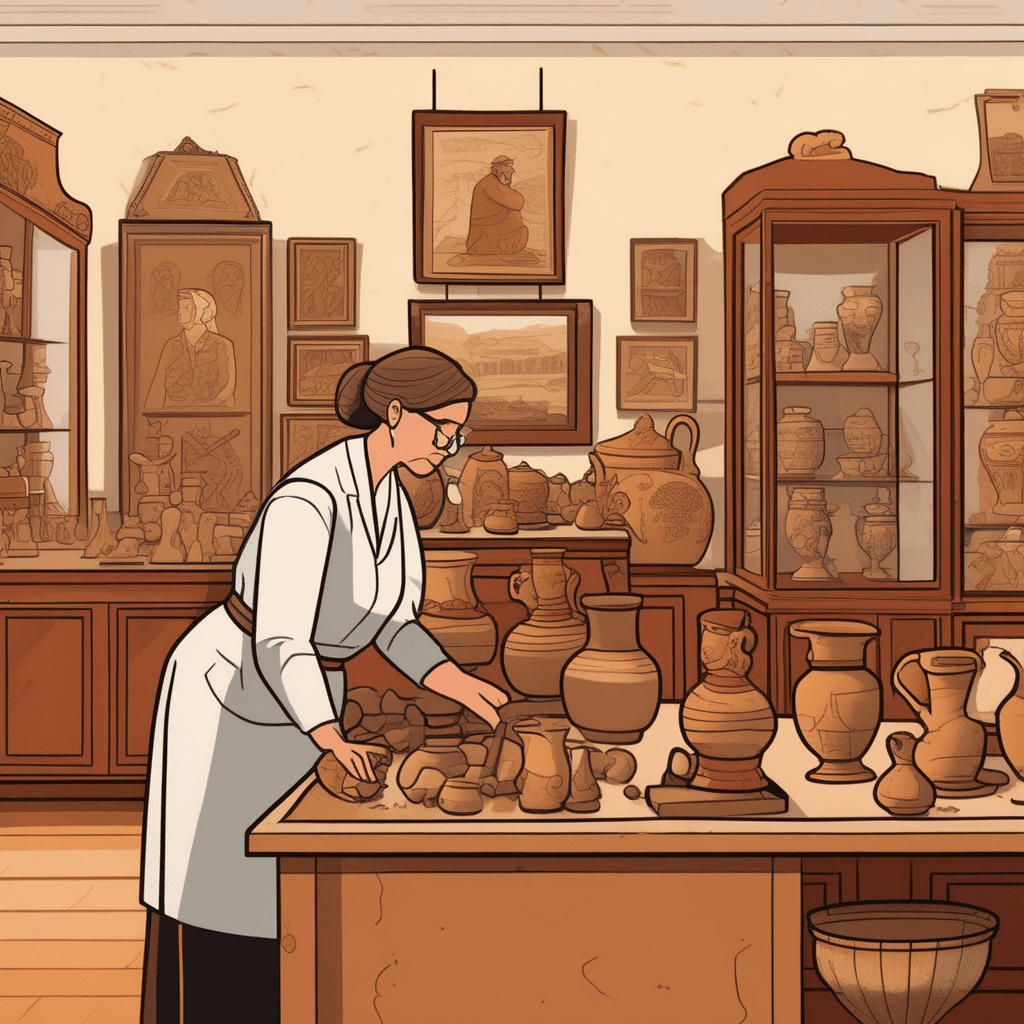
a museum curator carefully arranges ancient pottery pieces on a long display table. She places the oldest, most primitive clay pot first, then adds increasingly sophisticated vessels moving from left to right. Each pottery piece shows clear progression from simple early designs to complex decorated styles. The arrangement demonstrates how pottery evolved over thousands of years. Her assistant points to a chart on the wall showing dates that correspond to each piece's time period. historical artifacts being arranged according to the order in which events occurred in time

Arranging history in chronological order, documented by her faithful recorder.
Got the picture? Now let's practice.
🎤Pronunciation
🌳Etymology
Origin
The term combines Greek 'chronos' (time) and 'logos' (study or discourse), forming 'chronological' meaning the study of time. The addition of Latin 'ordo' (order) creates the full sense of 'time arranged in sequence,' describing events arranged according to their occurrence in time.
Breakdown
chrono- (from Greek chronos, time) + -logical (from Greek logos, study or reason) + order (from Latin ordo, sequence or arrangement). The suffix -logical means 'relating to the study of,' while 'order' emphasizes sequential arrangement.
🎵Rhyme
🔗Collocations
📝Examples
“The detective arranged the crime scene photos in chronological order to solve the mystery.”
“My grandmother's diary entries were perfectly kept in chronological order for 50 years.”
“The museum displays ancient artifacts in chronological order, from Stone Age to modern times.”
“My photo album is a complete mess - nothing is in chronological order!”
📚Related Words
Want to master 27,000+ words?
Sign up free for flashcards & quizzes.