amendment — a minor change or addition designed to improve a text, piece of legislation, etc.
Part of speech: NOUN
Definition: a minor change or addition designed to improve a text, piece of legislation, etc.
Pronunciation (IPA): /əˈmendmənt/
Example Sentences
- The First Amendment protects freedom of speech, even for people who think pineapple belongs on pizza.
- The company made several amendments to their dress code after realizing that 'business casual' was interpreted very differently by employees.
- The amendment to the contract included better working conditions and benefits for employees.
amendment
NOUN[/əˈmendmənt/]
a minor change or addition designed to improve a text, piece of legislation, etc.
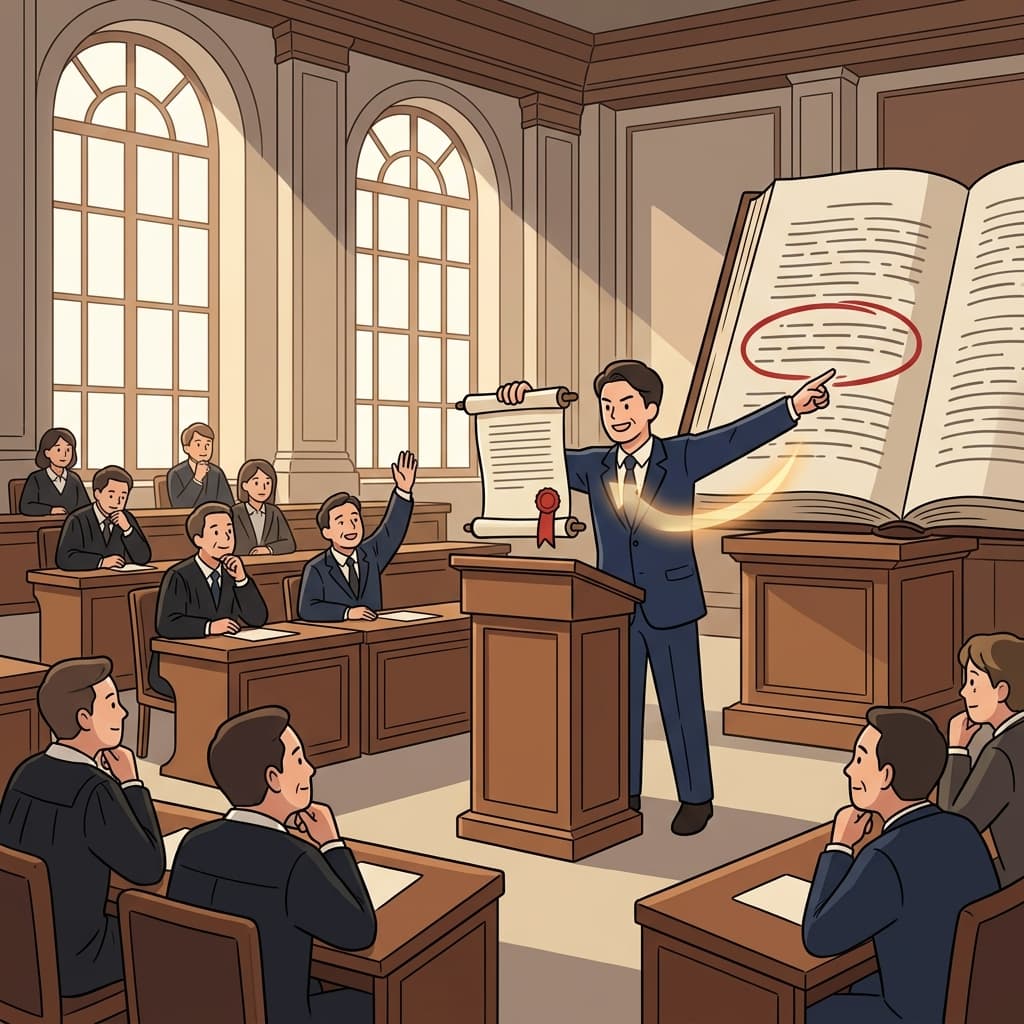
The senator proposes an amendment to fix a flaw in the old law.
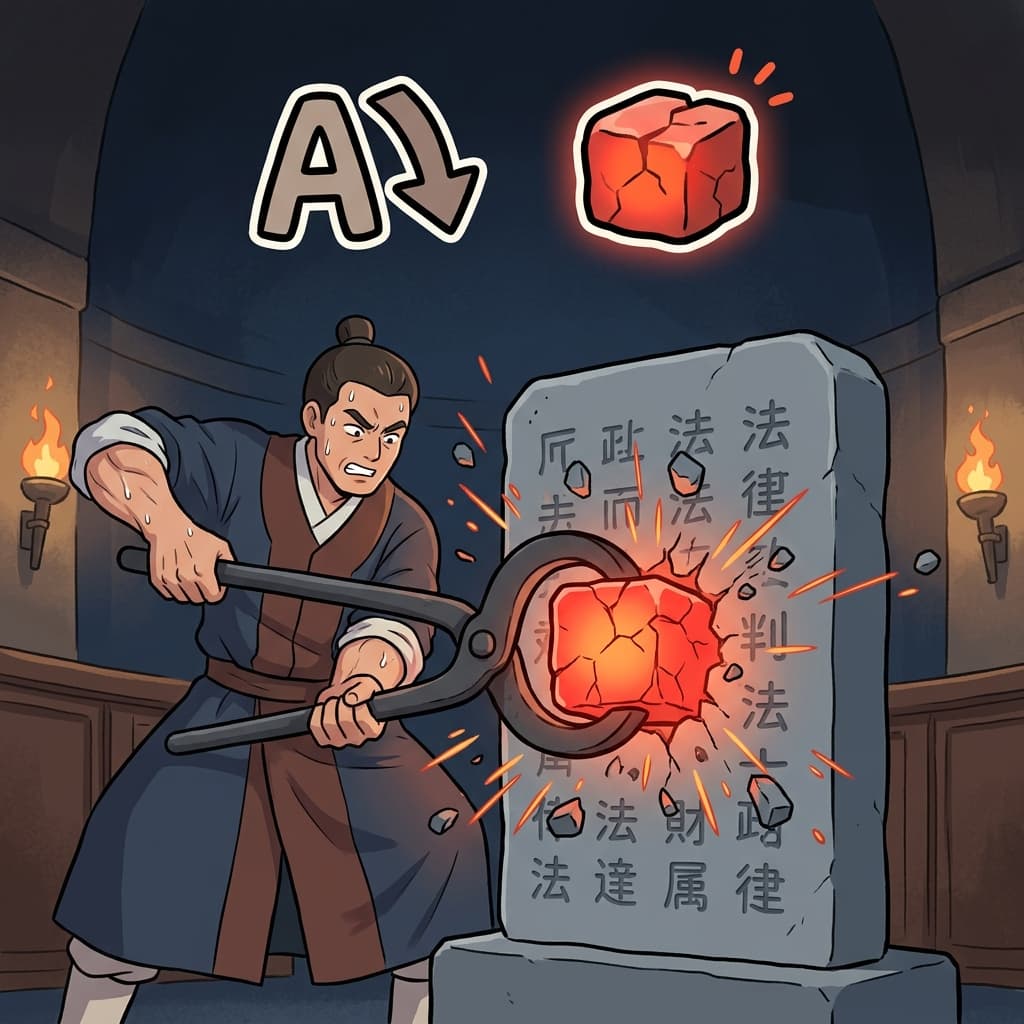
A(out) + MEND(error) + MENT(result) — an amendment is the result of removing an error from a law.

To follow the latest trend, the blacksmith gave the bent sword one final amendment before cooling it.
Got the picture? Now let's practice.
🎤Pronunciation
🌳Etymology
Origin
From Old French 'amendement', derived from Latin 'emendare' meaning 'to correct or improve', combined with the prefix 'a-' (toward) and the root 'menda' (fault or defect).
Breakdown
a- (toward) + mend (fault, from Latin menda) + -ment (noun suffix indicating an action or result) = amendment (the act of correcting or improving)
🎵Rhyme
🔗Collocations
📝Examples
“The First Amendment protects freedom of speech, even for people who think pineapple belongs on pizza.”
“The company made several amendments to their dress code after realizing that 'business casual' was interpreted very differently by employees.”
“The amendment to the contract included better working conditions and benefits for employees.”
“Before submitting the proposal, she made several amendments based on her supervisor's feedback.”
📚Related Words
Want to master 27,000+ words?
Sign up free for flashcards & quizzes.