repugnance — intense disgust or aversion; extreme dislike
Part of speech: NOUN
Definition: intense disgust or aversion; extreme dislike
Pronunciation (IPA): /rɪˈpʌɡnəns/
Example Sentences
- The chef's repugnance toward pineapple on pizza sparked a heated debate in the kitchen.
- Many people expressed repugnance at the politician's corrupt behavior.
- His repugnance for horror movies meant he covered his eyes through the entire film.
repugnance
NOUN[/rɪˈpʌɡnəns/]
intense disgust or aversion; extreme dislike
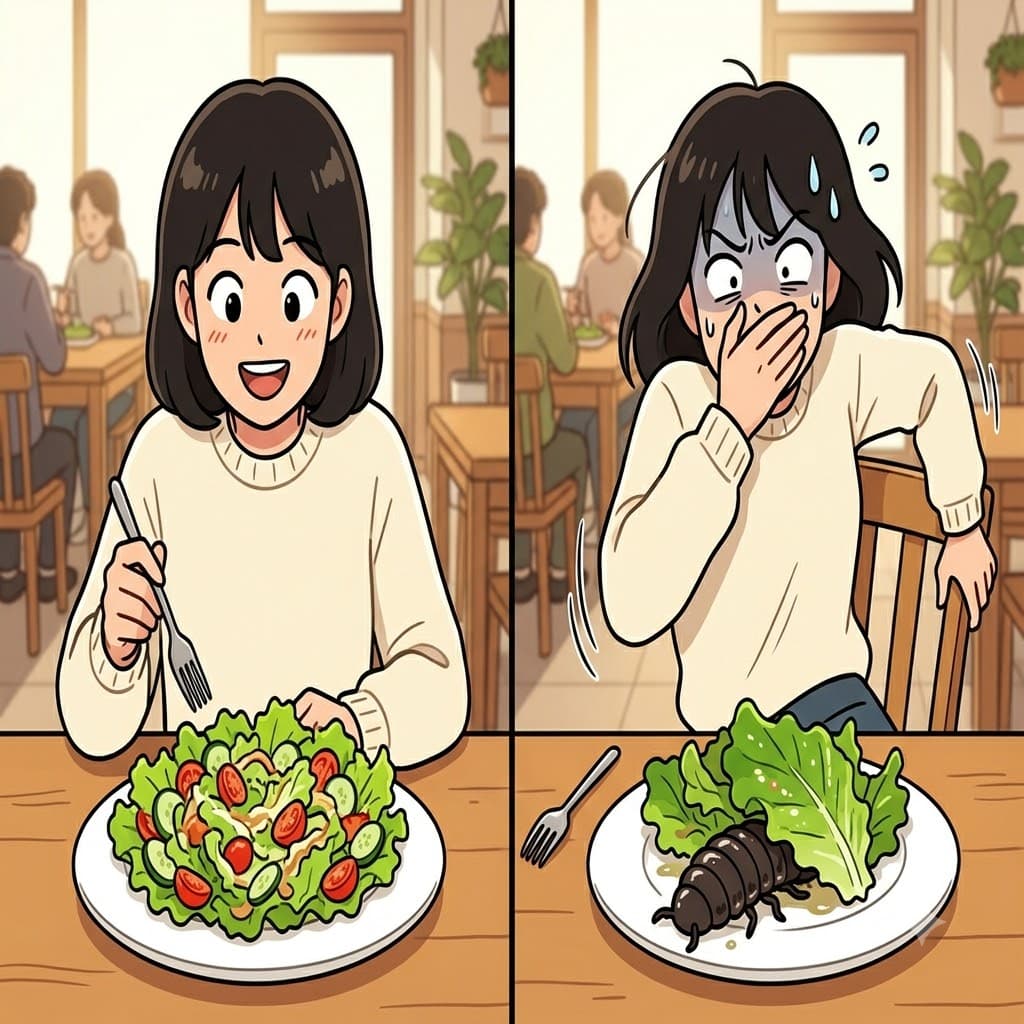
The customer felt intense repugnance when a disgusting bug crawled out of his fresh salad.
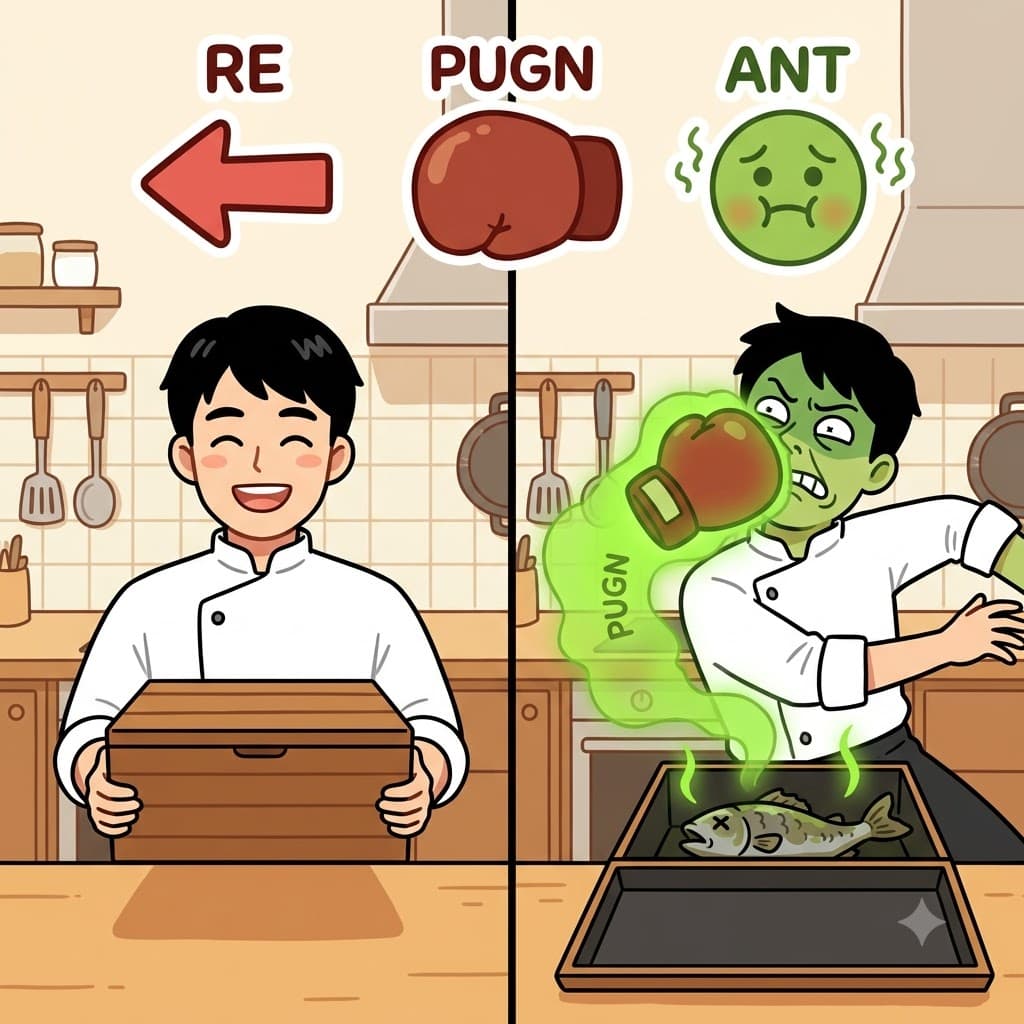
RE(against) + PUGN(fight) + ANCE(state) — the rotten fish caused such strong repugnance that he backed away from the smell.
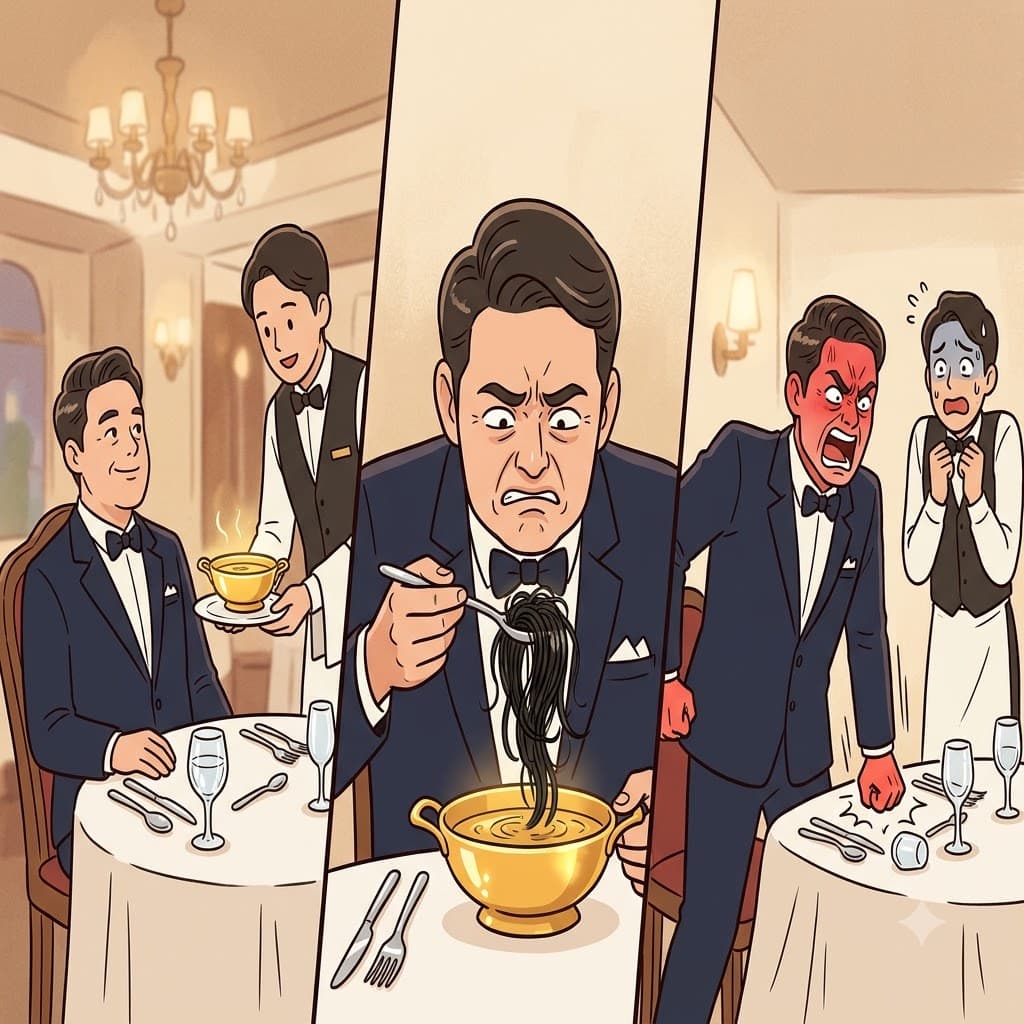
The customer became indignant after finding a hair in his soup and feeling intense repugnance.
Got the picture? Now let's practice.
🎤Pronunciation
🌳Etymology
Origin
From Latin 'repugnantia', meaning opposition or resistance. The word combines 're-' (back/against) with 'pugnare' (to fight), literally meaning 'to fight back against something.'
Breakdown
re- (back/against) + pugn- (fight, from Latin pugnare) + -ance (noun suffix indicating state or quality)
🎵Rhyme
🔗Collocations
📝Examples
“The chef's repugnance toward pineapple on pizza sparked a heated debate in the kitchen.”
“Many people expressed repugnance at the politician's corrupt behavior.”
“His repugnance for horror movies meant he covered his eyes through the entire film.”
“The scientist felt moral repugnance toward unethical experiments.”
📚Related Words
Want to master 27,000+ words?
Sign up free for flashcards & quizzes.