palsy — paralysis, especially with involuntary tremors
Part of speech: NOUN
Definition: paralysis, especially with involuntary tremors
Pronunciation (IPA): /ˈpɔːlzi/
Example Sentences
- The artist's palsy made it difficult to hold a paintbrush steady.
- Grandpa's palsy turns every signature into abstract art.
- Modern medicine has greatly improved treatment options for various types of palsy.
palsy
NOUN[/ˈpɔːlzi/]
paralysis, especially with involuntary tremors

Uncontrollable shaking and tremors
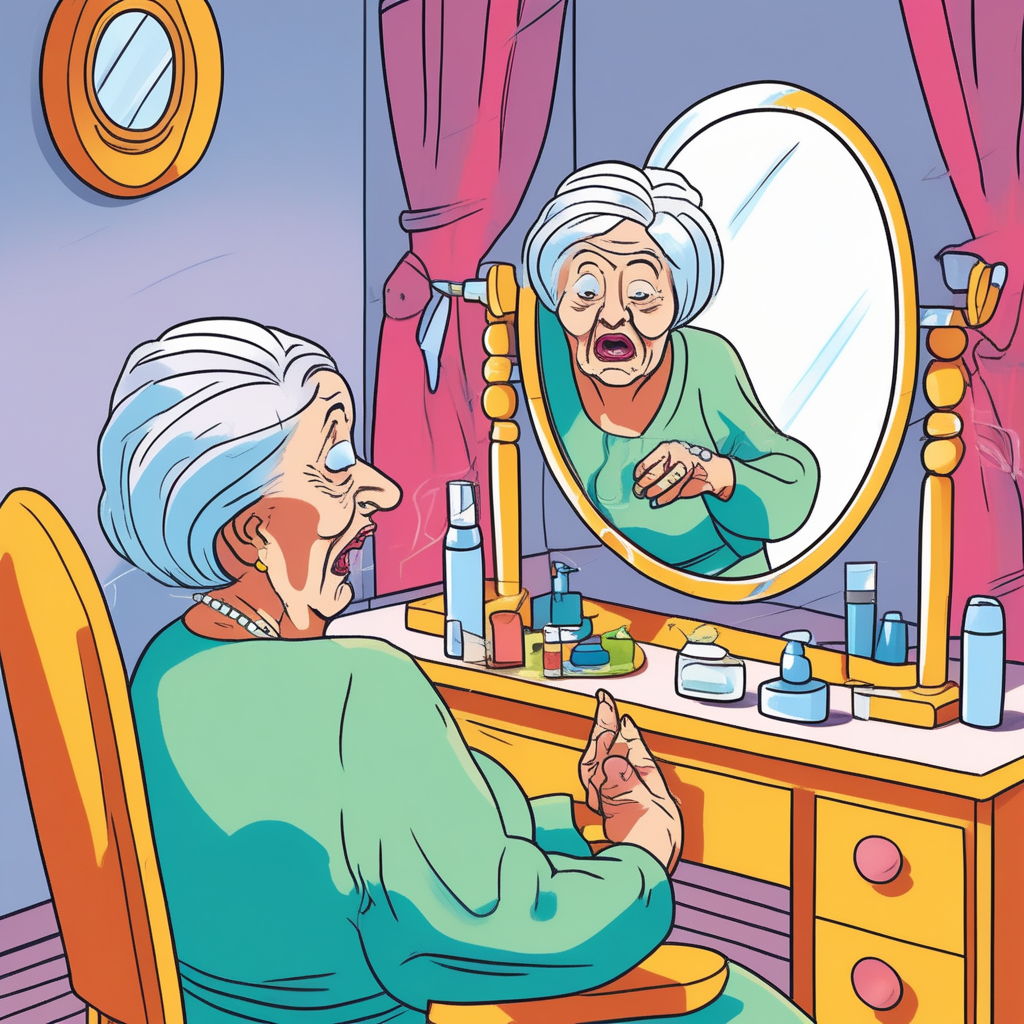
Even with palsy, she adjusts her falsie with grace
Got the picture? Now let's practice.
🎤Pronunciation
🌳Etymology
Origin
Palsy derives from Middle English 'paralesie', which descended through Old French 'paralesie' from Greek 'paralysis' (meaning paralysis or loss of power). The term underwent phonetic reduction over time, with 'paralesie' eventually shortening to 'palsy' in English.
Breakdown
para- (beside, alongside) + -lysis (loosening, dissolution) from Greek; the term contracted from 'paralysis' through Old French intermediate forms into the simplified English form 'palsy'.
🎵Rhyme
🔗Collocations
📝Examples
“The artist's palsy made it difficult to hold a paintbrush steady.”
“Grandpa's palsy turns every signature into abstract art.”
“Modern medicine has greatly improved treatment options for various types of palsy.”
“His palsy made texting an adventure - autocorrect became his best friend.”
📚Related Words
Synonyms
Antonyms
Related
Want to master 19,000+ words?
Sign up free for flashcards & quizzes.