lore — traditional stories, customs, and beliefs of a particular group or culture
Part of speech: NOUN
Definition: traditional stories, customs, and beliefs of a particular group or culture
Pronunciation (IPA): /lɔːr/
Example Sentences
- According to vampire lore, garlic keeps the undead away.
- My grandmother was full of family lore about our ancestors.
- The local lore claims this lake is home to a friendly monster who helps lost hikers.
lore
NOUN[/lɔːr/]
traditional stories, customs, and beliefs of a particular group or culture
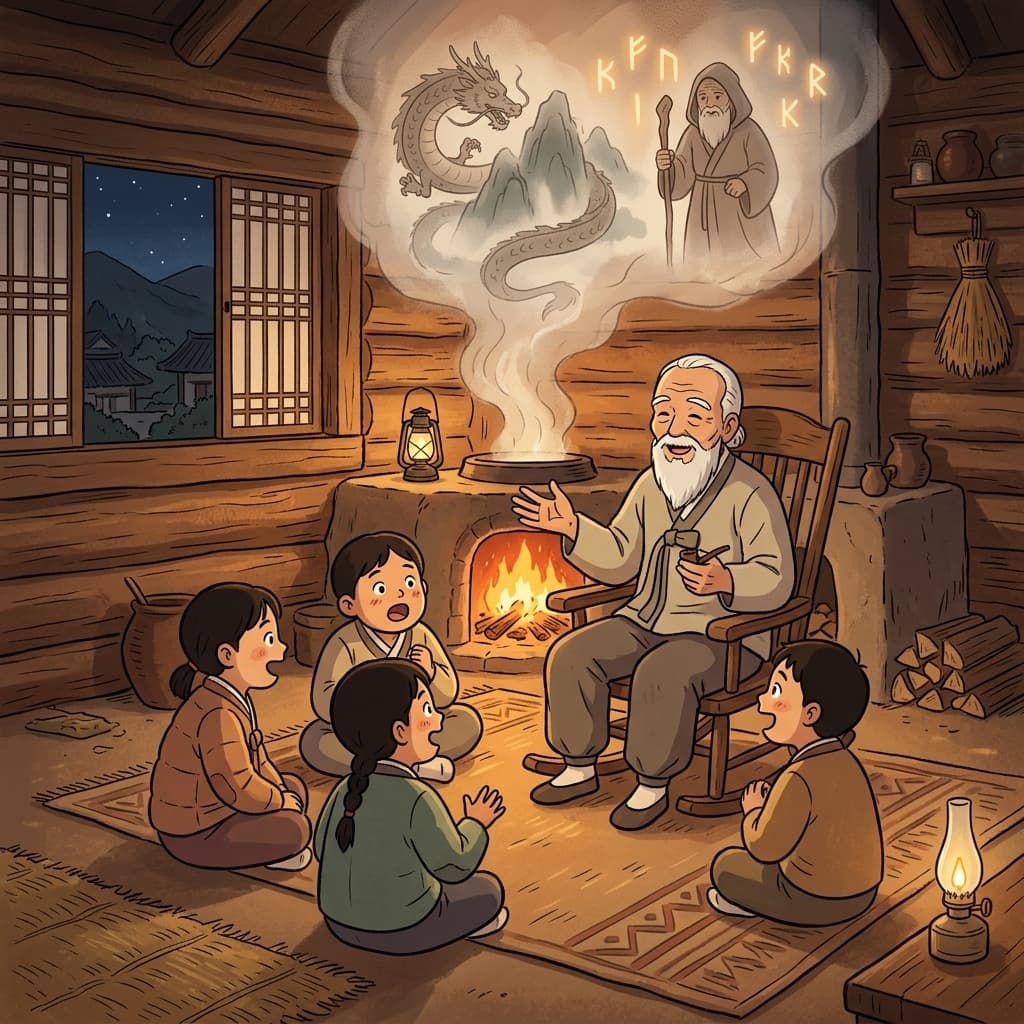
Grandfather shares ancient village lore by the fireside as children listen wide-eyed.

Open the door to discover more lore!
Got the picture? Now let's practice.
🎤Pronunciation
🌳Etymology
Origin
The word 'lore' derives from Old English 'lar', which originally meant 'teaching' or 'learning'. Over time, it evolved to denote knowledge and legends transmitted orally through generations, particularly within folk traditions and cultural memory.
Breakdown
lar (Old English: teaching, learning) → lore (accumulated traditional knowledge and legends). The suffix -e represents the Old English nominalization typical of the period.
🎵Rhyme
🔗Collocations
📝Examples
“According to vampire lore, garlic keeps the undead away.”
“My grandmother was full of family lore about our ancestors.”
“The local lore claims this lake is home to a friendly monster who helps lost hikers.”
“Students must study plant lore to become skilled herbalists.”
📚Related Words
Want to master 27,000+ words?
Sign up free for flashcards & quizzes.