gasp — to take a quick, deep breath with an open mouth, often because of shock, surprise, or lack of air
Part of speech: VERB
Definition: to take a quick, deep breath with an open mouth, often because of shock, surprise, or lack of air
Pronunciation (IPA): /ɡæsp/
Example Sentences
- The runner gasped for air after finishing the marathon while dressed as a banana.
- I gasped when I realized I had been talking to my boss with spinach stuck in my teeth.
- The audience gasped as the tightrope walker wobbled dangerously.
gasp
VERB[/ɡæsp/]
to take a quick, deep breath with an open mouth, often because of shock, surprise, or lack of air
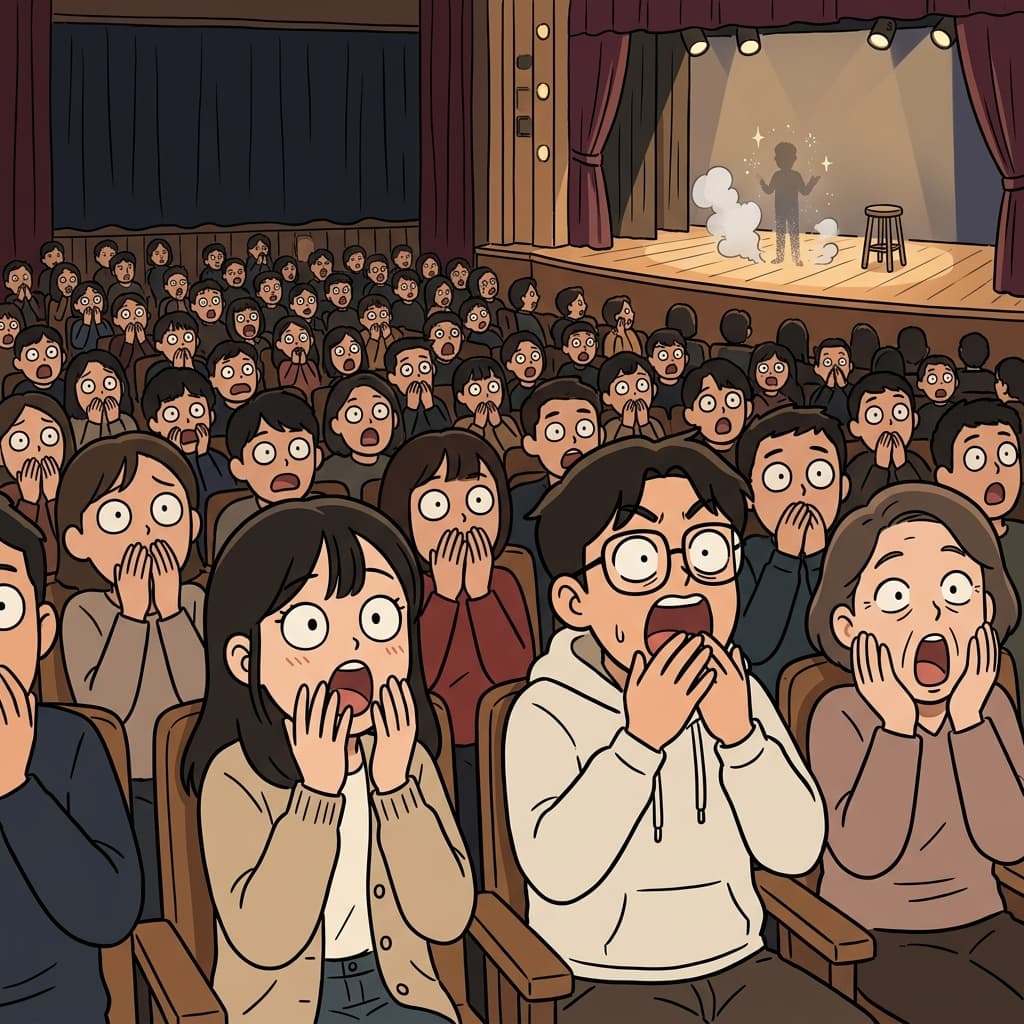
Gasping in surprise and shock
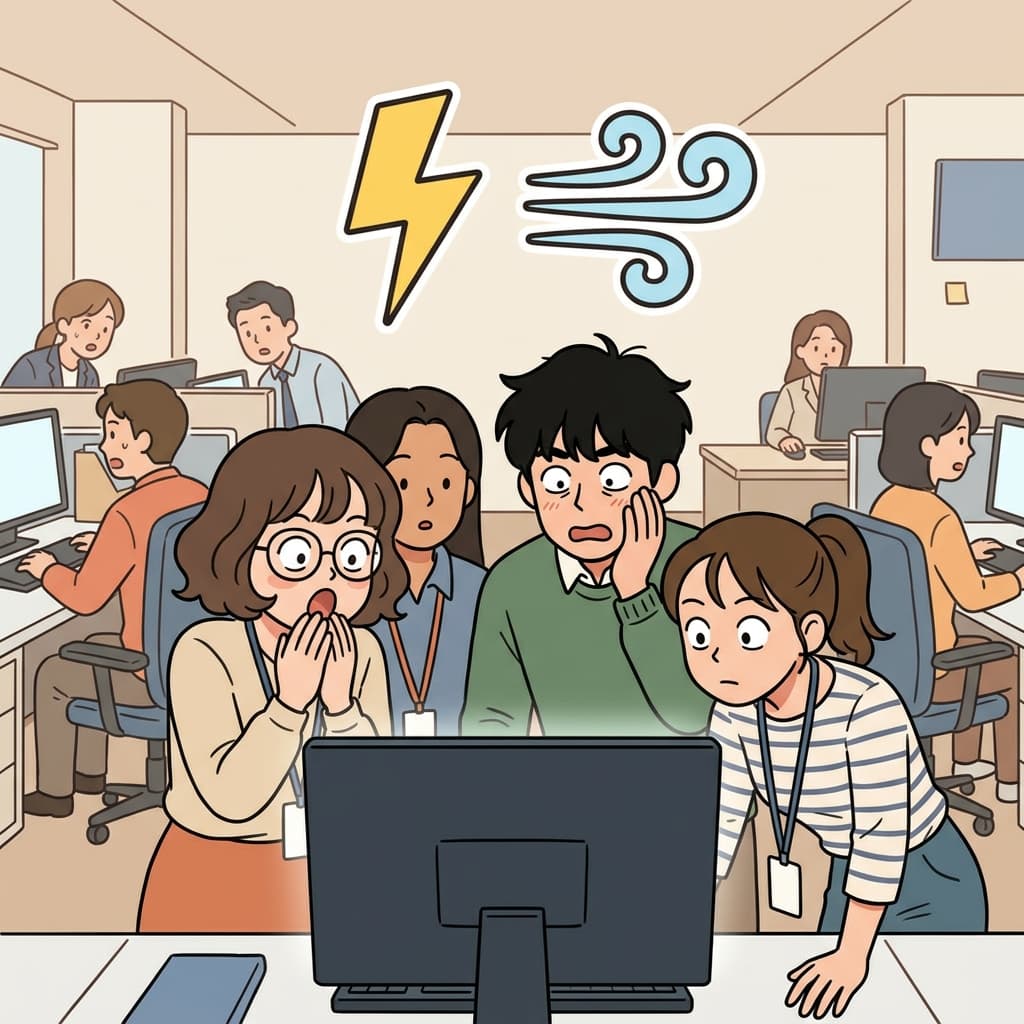
People gasped after hearing the unexpected news. (SHOCK + BREATH = GASP → gasp happens when surprise or fear suddenly changes your breathing)
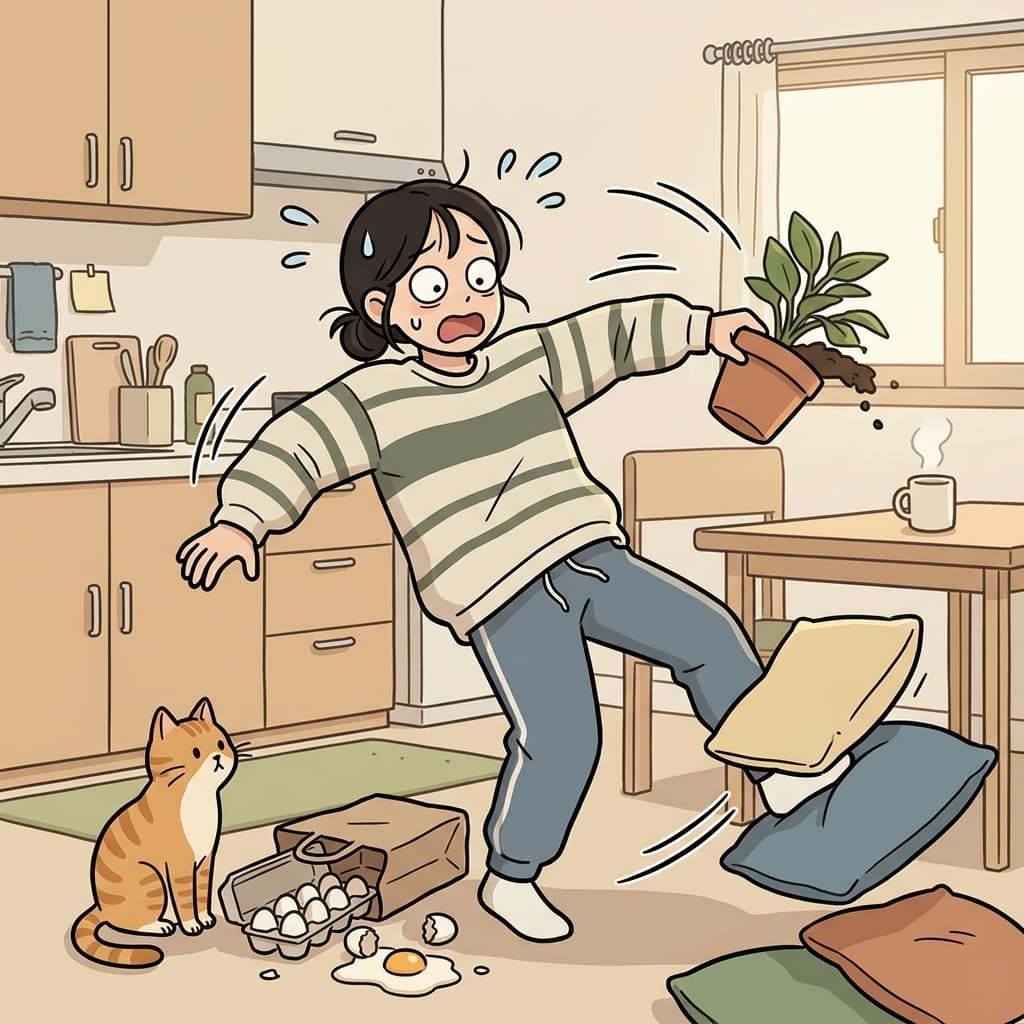
He gasped, tried to grasp the situation, and almost collapsed from surprise.
Got the picture? Now let's practice.
🎤Pronunciation
🌳Etymology
Origin
Gasp originated in Middle English during the 14th century as an onomatopoeia imitating the sound of sudden or labored breathing. The word evolved from the verb gaspen, reflecting the natural phonetic representation of sharp inhalation or breathless exclamation.
Breakdown
gaspen (Middle English verb, meaning to breathe sharply or gasp) → gasp (modern English), with the final -en suffix characteristic of Middle English verbs dropped in modern usage.
🎵Rhyme
🔗Collocations
📝Examples
“The runner gasped for air after finishing the marathon while dressed as a banana.”
“I gasped when I realized I had been talking to my boss with spinach stuck in my teeth.”
“The audience gasped as the tightrope walker wobbled dangerously.”
“She gasped in amazement when she saw her surprise birthday party.”
📚Related Words
Want to master 27,000+ words?
Sign up free for flashcards & quizzes.