inborn — existing from birth; natural or inherent
Part of speech: ADJECTIVE
Definition: existing from birth; natural or inherent
Pronunciation (IPA): /ˈɪnbɔːrn/
Example Sentences
- My cat has an inborn fear of vacuum cleaners - nobody taught him to hide under the bed!
- His inborn leadership qualities made him the obvious choice for class president.
- Some people have an inborn sense of direction, while others get lost in their own neighborhood.
inborn
ADJECTIVE[/ˈɪnbɔːrn/]
existing from birth; natural or inherent

While the adult violently splashed around with life tubes, the tiny infant swam smoothly underwater, showing a completely inborn ability to move in the water.

IN(inside) + BORN(birth) — the exact moment the bird was BORN(birth), a glowing blue compass appeared IN(inside) its chest, guiding its inborn sense of direction.
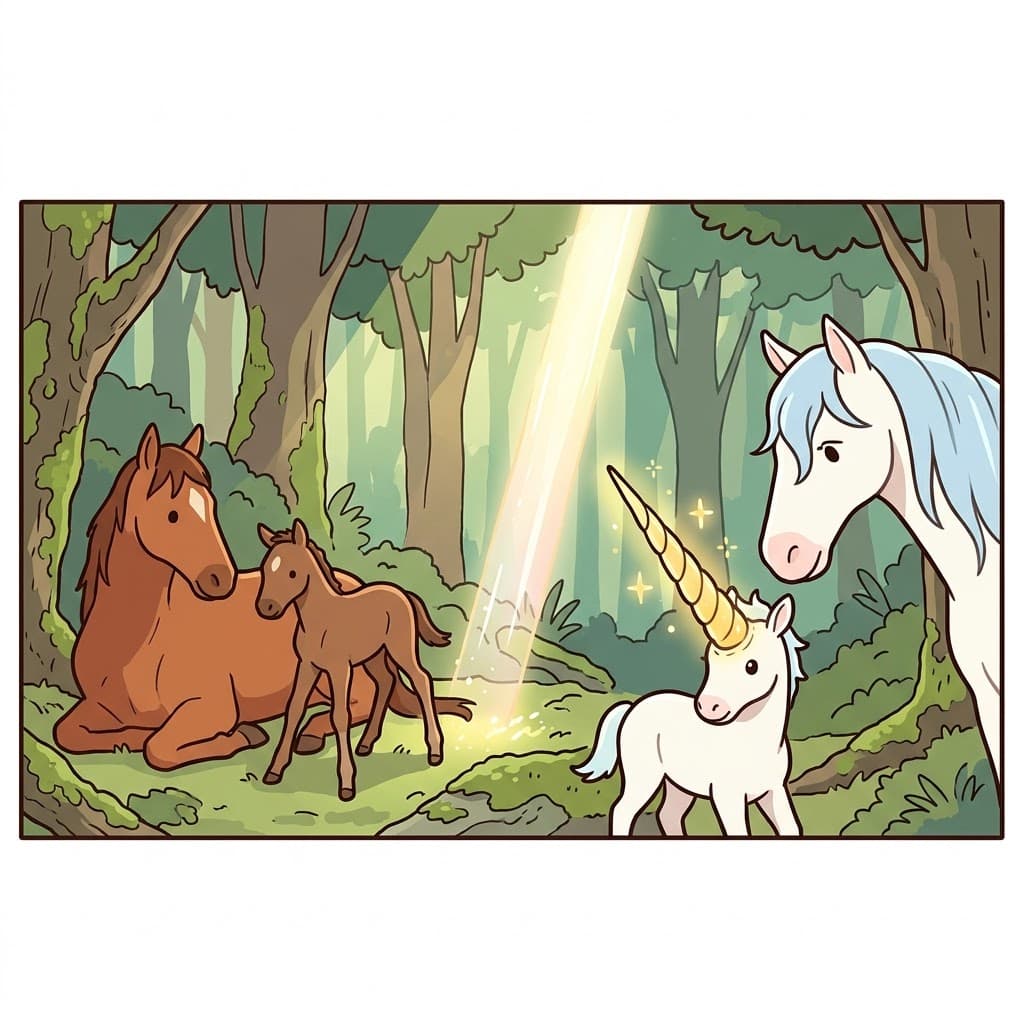
The magical creature didn't have to wait to grow a long horn; the glowing spike on its head was completely inborn.
Got the picture? Now let's practice.
🎤Pronunciation
🌳Etymology
Origin
From Middle English and Old English, combining the prefix 'in-' (meaning 'in' or 'within') with the word 'born' (past participle of 'bear'). The term emerged to describe qualities present from birth rather than acquired later.
Breakdown
in- (in, within) + born (past participle of bear, to carry or bring forth) = inborn (inherent from birth)
🎵Rhyme
🔗Collocations
📝Examples
“My cat has an inborn fear of vacuum cleaners - nobody taught him to hide under the bed!”
“His inborn leadership qualities made him the obvious choice for class president.”
“Some people have an inborn sense of direction, while others get lost in their own neighborhood.”
“The researcher studied inborn behaviors in newborn animals.”
📚Related Words
Want to master 27,000+ words?
Sign up free for flashcards & quizzes.