disaffected — dissatisfied with the people in authority and no longer willing to support them
Part of speech: ADJECTIVE
Definition: dissatisfied with the people in authority and no longer willing to support them
Pronunciation (IPA): /ˌdɪsəˈfektɪd/
Example Sentences
- The disaffected fans booed their own team's terrible performance.
- Many disaffected students skipped the principal's boring assembly.
- The politician tried to win back disaffected voters with promises of change.
disaffected
ADJECTIVE[/ˌdɪsəˈfektɪd/]
dissatisfied with the people in authority and no longer willing to support them

The disaffected soldiers lowered their banners, refusing to fight for the king anymore.
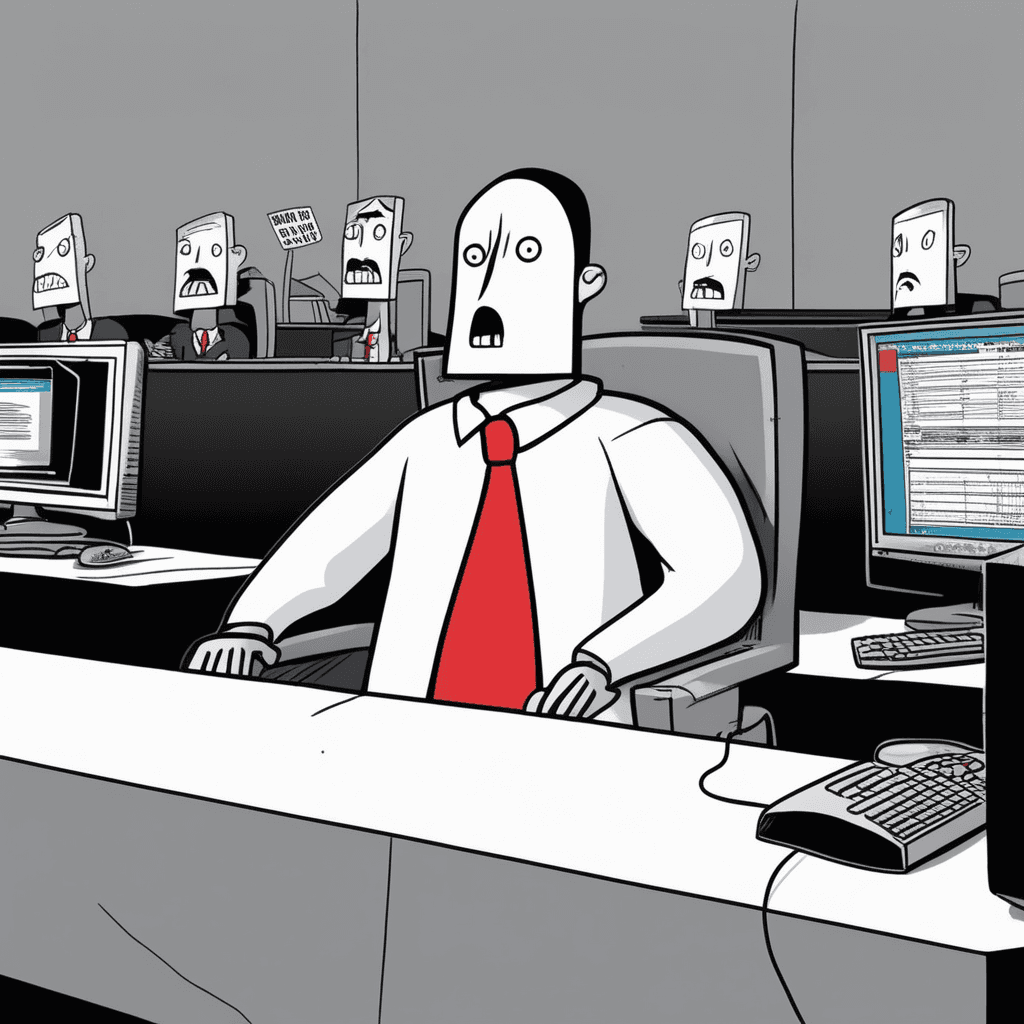
Once protected, now detected - the disaffected speak truth
Got the picture? Now let's practice.
🎤Pronunciation
🌳Etymology
Origin
From the prefix 'dis-' (meaning not or opposite) combined with 'affected,' which comes from Latin 'affectus,' the past participle of 'afficere' (to influence or act upon). The term emerged in English in the 17th century to describe a state of emotional detachment or dissatisfaction.
Breakdown
dis- (not, opposite) + affect (to influence, from Latin afficere) + -ed (adjective suffix) = disaffected (not influenced favorably; dissatisfied)
🎵Rhyme
🔗Collocations
📝Examples
“The disaffected fans booed their own team's terrible performance.”
“Many disaffected students skipped the principal's boring assembly.”
“The politician tried to win back disaffected voters with promises of change.”
“Disaffected employees often become the most vocal critics of company policies.”
📚Related Words
Want to master 27,000+ words?
Sign up free for flashcards & quizzes.