discontinue — to stop doing or providing something; to cease or end
Part of speech: VERB
Definition: to stop doing or providing something; to cease or end
Pronunciation (IPA): /ˌdɪskənˈtɪnjuː/
Example Sentences
- The restaurant had to discontinue the 'Mystery Meat Monday' after too many customers called it a real mystery.
- Our company will discontinue the old software and launch a new version.
- The doctor advised him to discontinue smoking immediately.
discontinue
VERB[/ˌdɪskənˈtɪnjuː/]
to stop doing or providing something; to cease or end

a factory supervisor in a hard hat firmly presses a large red emergency stop button on the control panel. The conveyor belt immediately begins slowing down as machines power down around him. Workers look up from their stations as the assembly line comes to a complete halt. Previously moving products on the belt stop in place while warning lights flash. Other employees gather around asking questions while the supervisor points to a notice board. the complete cessation of factory operations being discontinued
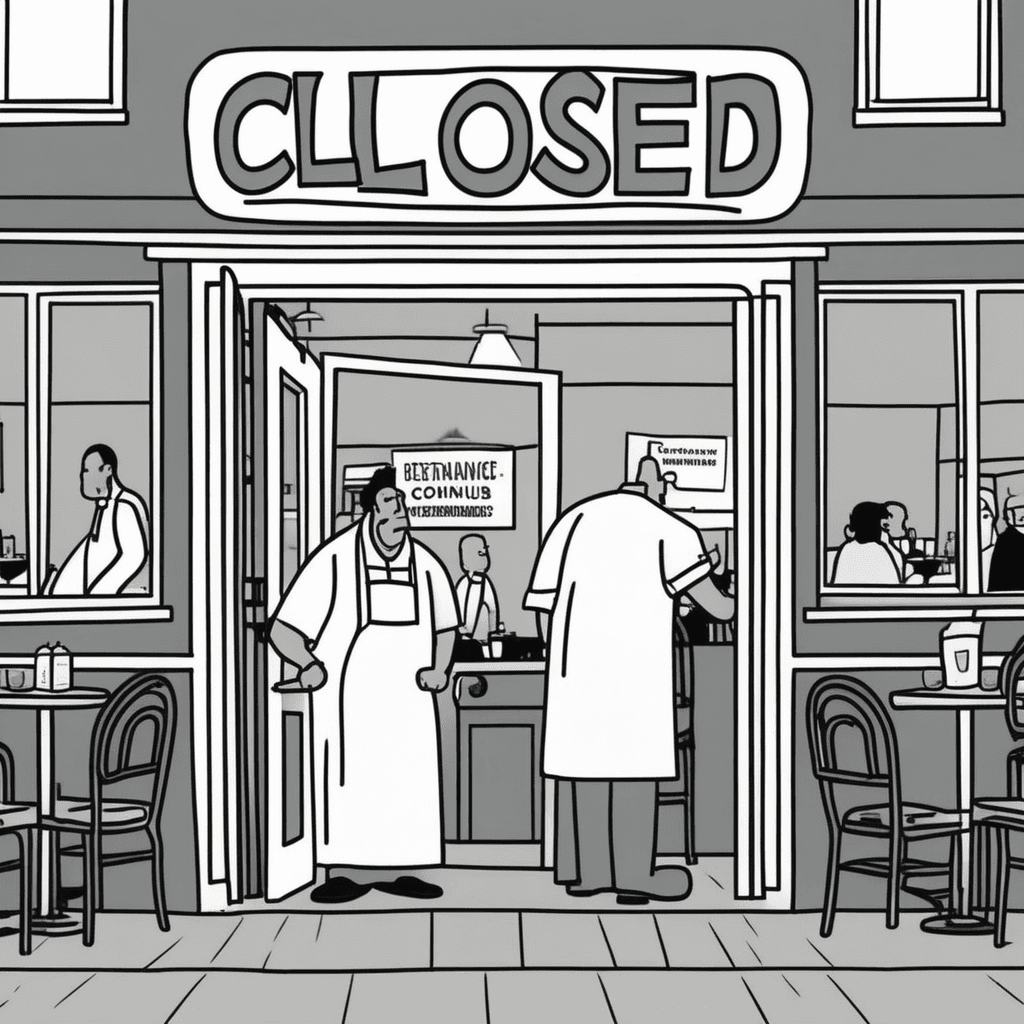
The venue must discontinue, though memories continue!
Got the picture? Now let's practice.
🎤Pronunciation
🌳Etymology
Origin
From Latin, combining the prefix dis- (meaning 'apart' or 'away') with the verb continuare (meaning 'to join together' or 'continue'). The word evolved to mean 'to stop or cease an activity that was previously ongoing'.
Breakdown
dis- (apart, away) + continue (from Latin continuare, to join together or persist) = to cease or stop continuing.
🎵Rhyme
🔗Collocations
📝Examples
“The restaurant had to discontinue the 'Mystery Meat Monday' after too many customers called it a real mystery.”
“Our company will discontinue the old software and launch a new version.”
“The doctor advised him to discontinue smoking immediately.”
“They discontinued the 'All You Can Eat' buffet after one customer ate for 6 hours straight.”
📚Related Words
Want to master 27,000+ words?
Sign up free for flashcards & quizzes.