brood — to think deeply about something that makes you angry, anxious, or upset
Part of speech: VERB
Definition: to think deeply about something that makes you angry, anxious, or upset
Pronunciation (IPA): /bruːd/
Example Sentences
- He tends to brood over every criticism his boss gives him.
- Instead of brooding about your ex's new Instagram posts, why don't you start your own cooking show called 'Revenge Recipes'?
- The mother duck led her brood across the busy street like a feathered traffic conductor.
brood
VERB[/bruːd/]
to think deeply about something that makes you angry, anxious, or upset

She sat by the rainy window to brood over her broken friendship.
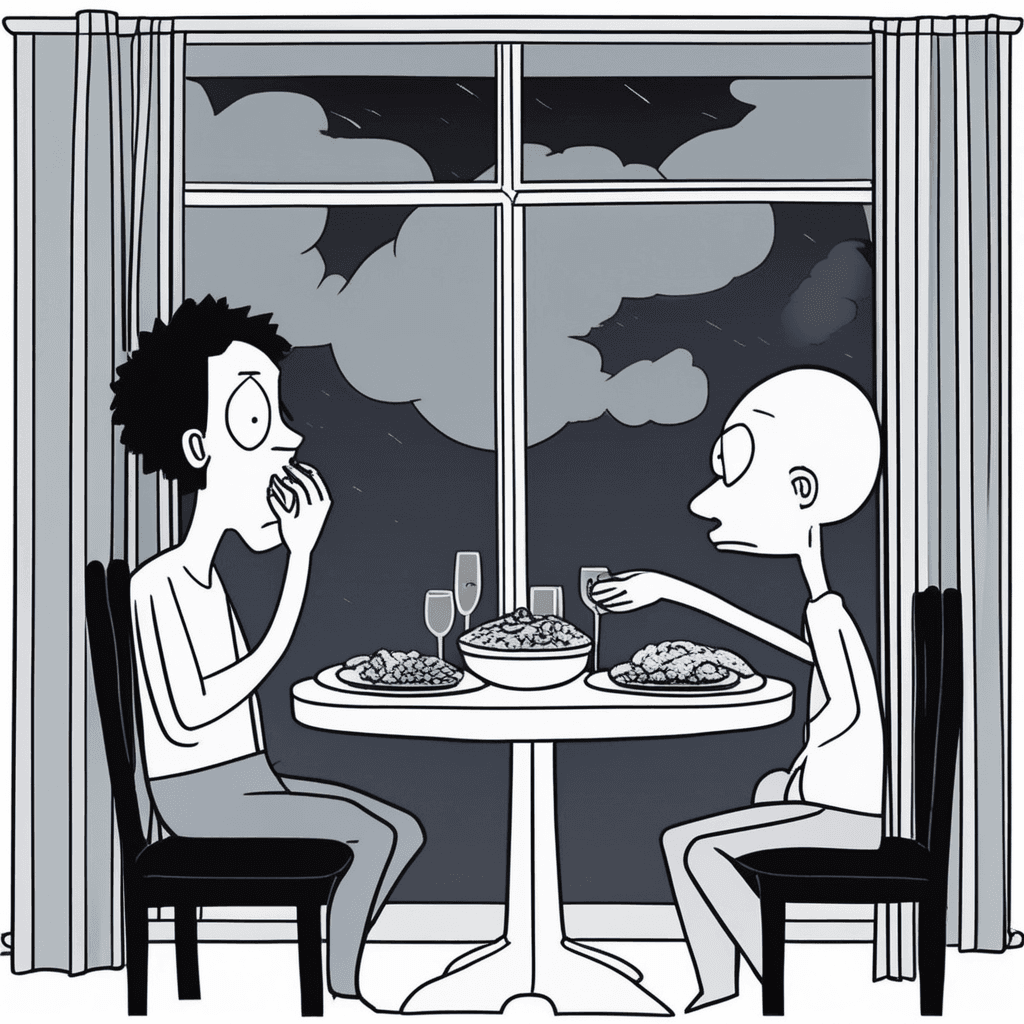
Bad mood kills the taste of food, time to brood
Got the picture? Now let's practice.
🎤Pronunciation
🌳Etymology
Origin
From Old English brōd, meaning 'offspring' or 'young animals', derived from Proto-Germanic *brōdaz. The word originally referred to the act of brooding or keeping warm, particularly birds sitting on eggs, and later extended to mean deep, prolonged thinking or contemplation.
Breakdown
The word derives from the Proto-Germanic root *brōd- (to breed, to brood), related to the concept of warmth and nurturing. The suffix -d is characteristic of Old English noun formations from verbal roots meaning 'to warm' or 'to tend'.
🎵Rhyme
🔗Collocations
📝Examples
“He tends to brood over every criticism his boss gives him.”
“Instead of brooding about your ex's new Instagram posts, why don't you start your own cooking show called 'Revenge Recipes'?”
“The mother duck led her brood across the busy street like a feathered traffic conductor.”
“The scientist studied the behavior of the bird's brood during feeding time.”
📚Related Words
Want to master 27,000+ words?
Sign up free for flashcards & quizzes.