paralysis — the loss of the ability to move part or all of the body, typically as a result of illness, poison, or injury
Part of speech: NOUN
Definition: the loss of the ability to move part or all of the body, typically as a result of illness, poison, or injury
Pronunciation (IPA): /pəˈræləsɪs/
Example Sentences
- After eating too much at the buffet, I experienced food paralysis on the couch.
- The stroke caused paralysis on the right side of her body.
- He suffered from choice paralysis in the cereal aisle with 47 different options.
paralysis
NOUN[/pəˈræləsɪs/]
the loss of the ability to move part or all of the body, typically as a result of illness, poison, or injury
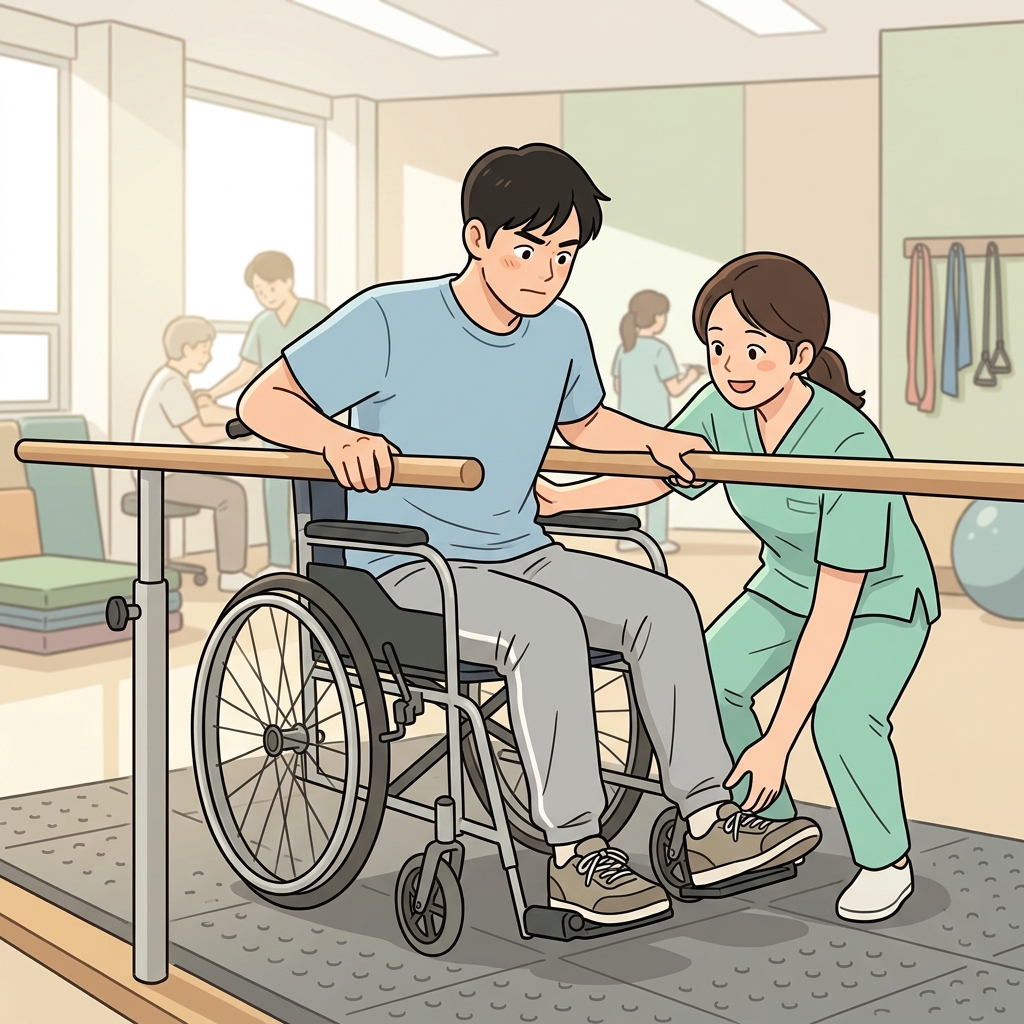
The accident left him with paralysis in his legs.
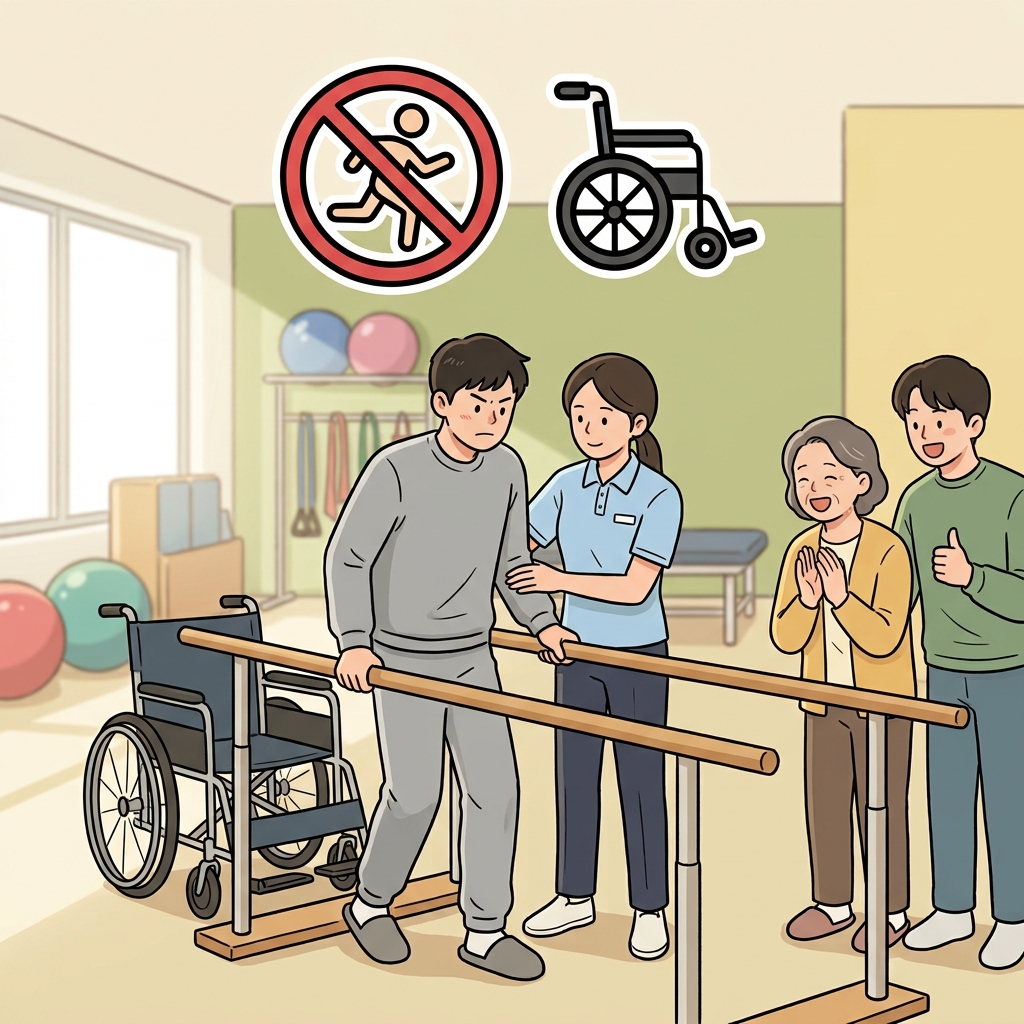
The patient received therapy after suffering paralysis. (🚫 Move + 🦽 Wheelchair → Paralysis)

After careful analysis, doctors planned the best treatment for his paralysis.
Got the picture? Now let's practice.
🎤Pronunciation
🌳Etymology
Origin
Paralysis derives from Greek paralyein, composed of para- (beside, alongside) and lyein (to loosen or dissolve). The term originally described the condition of being loosened or weakened from the side, metaphorically capturing the loss of bodily strength or motor function.
Breakdown
para- (beside, alongside) + lysis (loosening, dissolution, breaking apart). The suffix -lysis comes from Greek lyein (to loosen or dissolve), with the prefix para- intensifying the sense of lateral or complete weakening.
🎵Rhyme
🔗Collocations
📝Examples
“After eating too much at the buffet, I experienced food paralysis on the couch.”
“The stroke caused paralysis on the right side of her body.”
“He suffered from choice paralysis in the cereal aisle with 47 different options.”
“The political scandal led to a paralysis of government functions.”
📚Related Words
Synonyms
Antonyms
Related
Want to master 19,000+ words?
Sign up free for flashcards & quizzes.