vagabond — a person who wanders from place to place without a home or job
Part of speech: NOUN
Definition: a person who wanders from place to place without a home or job
Pronunciation (IPA): /ˈvæɡəbɑːnd/
Example Sentences
- My uncle was a charming vagabond who sent postcards from every continent.
- The wealthy businessman secretly dreamed of becoming a vagabond and escaping his boring meetings.
- She quit her job to live as a digital vagabond, working remotely from different countries.
vagabond
NOUN[/ˈvæɡəbɑːnd/]
a person who wanders from place to place without a home or job
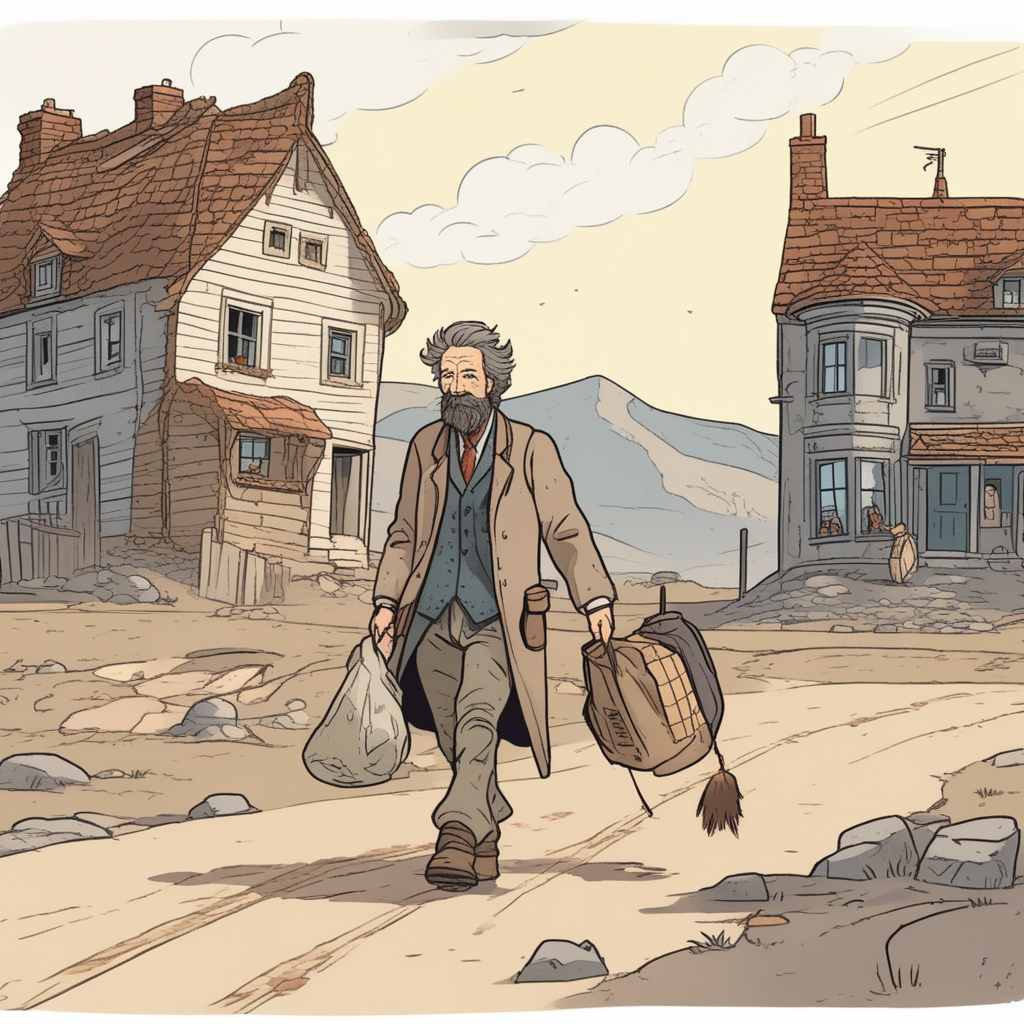
Homeless wanderer on the road
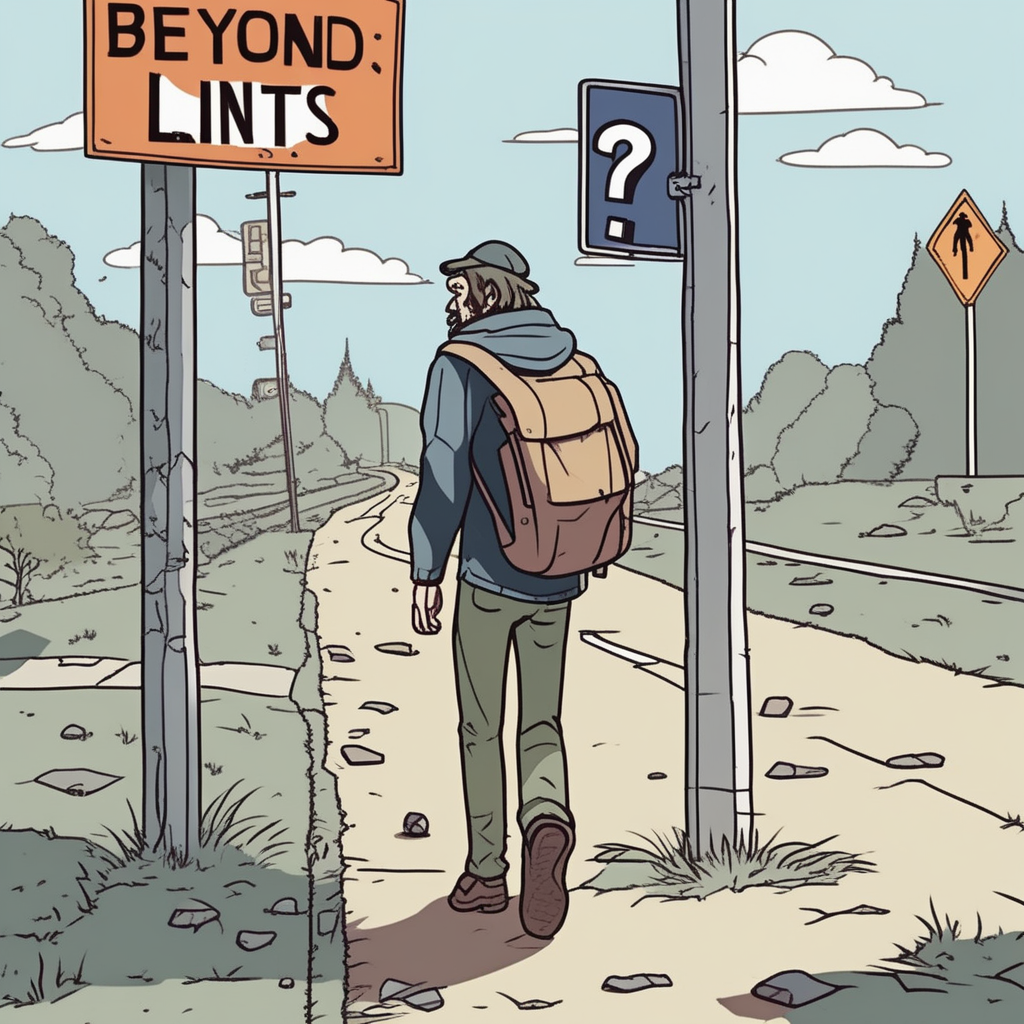
Vague wanderer beyond city limits - vagabond with no destination!

The vagabond found his bond by the pond
Got the picture? Now let's practice.
🎤Pronunciation
🌳Etymology
Origin
From Latin 'vagabundus' meaning 'wandering,' derived from 'vagari' meaning 'to wander' or 'to roam.' The word entered English through Old French and has been used since the 14th century to describe wanderers and homeless people.
Breakdown
vag- (wander) + -abund (suffix indicating tendency or abundance) = vagabond (one who wanders abundantly/constantly)
🎵Rhyme
🔗Collocations
📝Examples
“My uncle was a charming vagabond who sent postcards from every continent.”
“The wealthy businessman secretly dreamed of becoming a vagabond and escaping his boring meetings.”
“She quit her job to live as a digital vagabond, working remotely from different countries.”
“The cat adopted a vagabond lifestyle, showing up at different houses for free meals.”
📚Related Words
Synonyms
Antonyms
Related
Want to master 19,000+ words?
Sign up free for flashcards & quizzes.