wagon — A four-wheeled vehicle for carrying heavy loads, typically pulled by horses or oxen
Part of speech: NOUN
Definition: A four-wheeled vehicle for carrying heavy loads, typically pulled by horses or oxen
Pronunciation (IPA): /ˈwæɡən/
Example Sentences
- My grandfather's old wagon could carry ten people and still had room for groceries.
- The kids turned the empty wagon into a spaceship for their backyard adventure.
- He's been on the wagon for six months now and feels much healthier.
wagon
NOUN[/ˈwæɡən/]
A four-wheeled vehicle for carrying heavy loads, typically pulled by horses or oxen
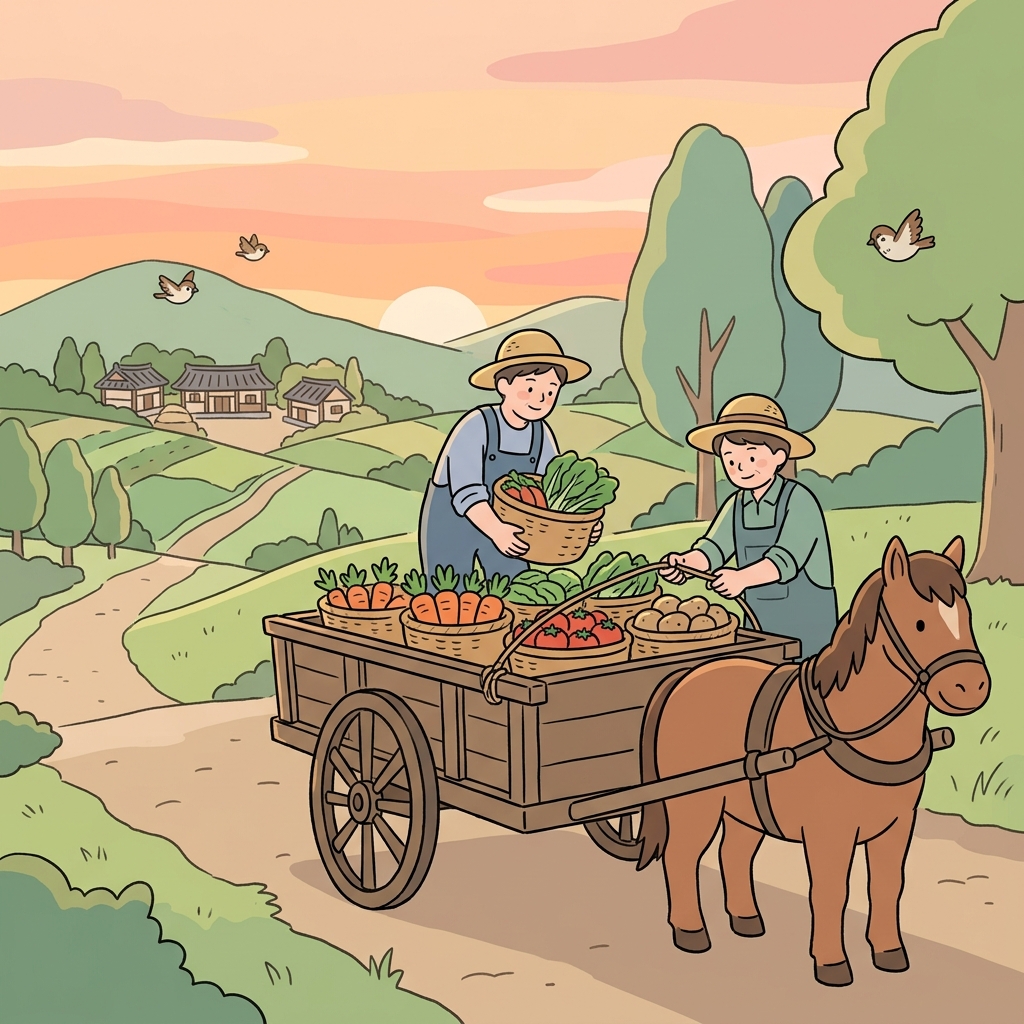
Horse-drawn wagon carrying heavy loads
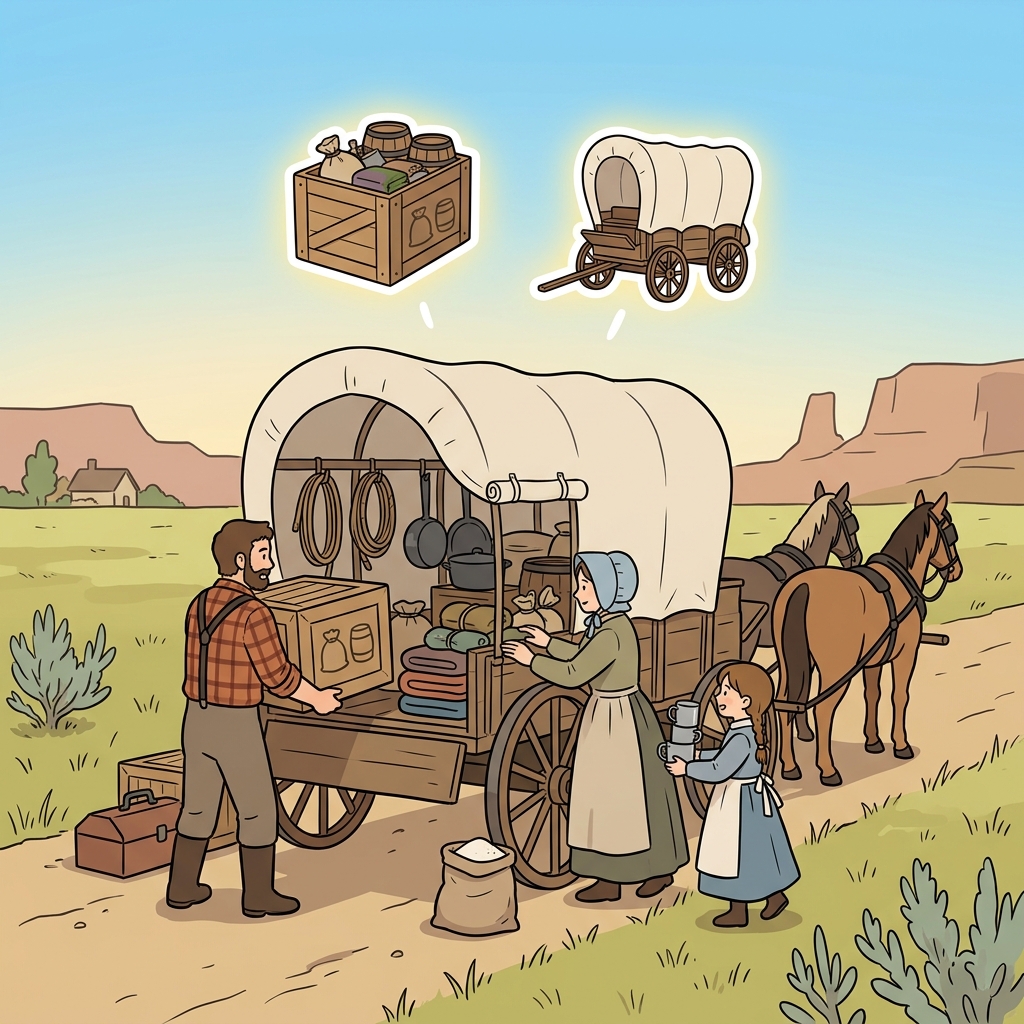
The pioneer filled the wagon before beginning the long journey west. (WAGON → PACK → GO → First, pack the wagon. → Then, go.)
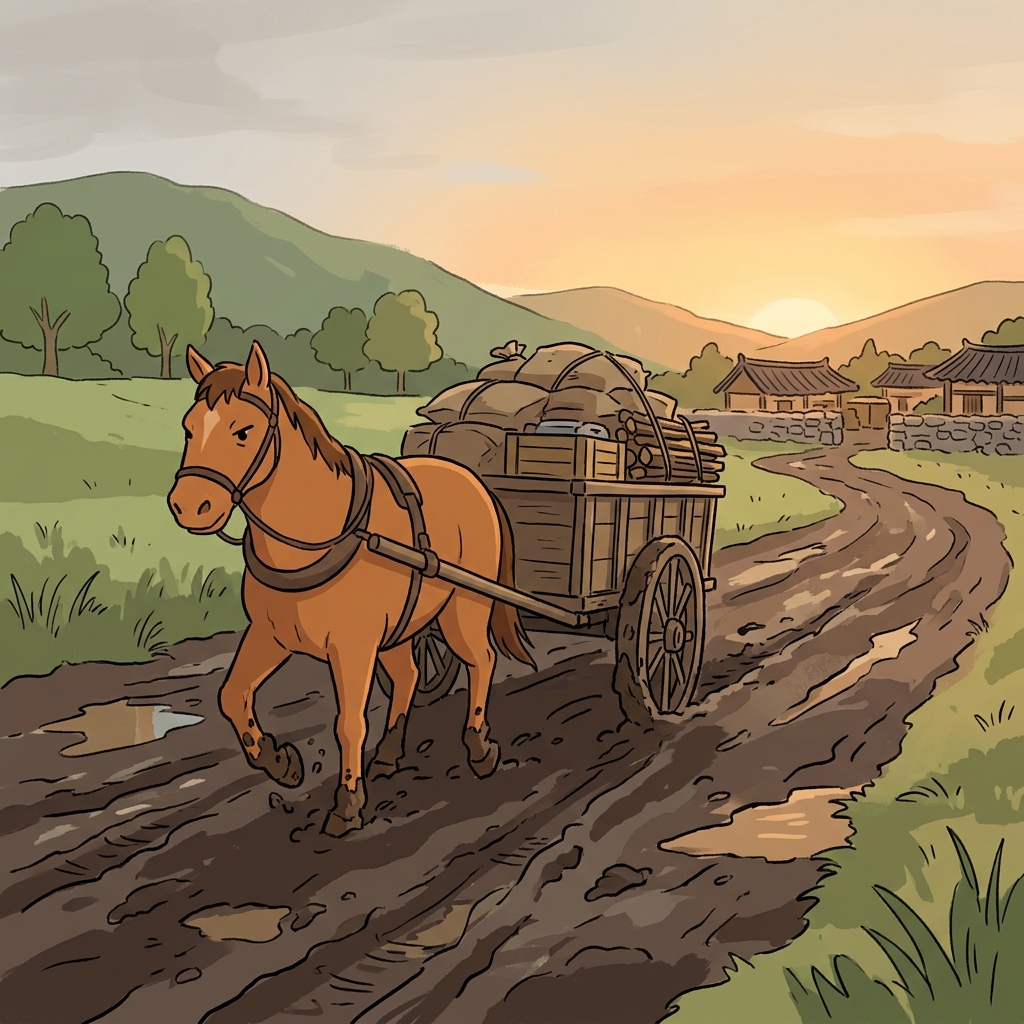
The tired horse pulled the wagon, dragged on through the muddy road, and carried on until sunset.
Got the picture? Now let's practice.
🎤Pronunciation
🌳Etymology
Origin
Wagon derives from Dutch 'wagen', which comes from the common Germanic root shared across the language family. The word literally means 'that which carries' or 'vehicle', reflecting humanity's ancient reliance on wheeled transport for thousands of years.
Breakdown
Dutch 'wagen' (vehicle) + English suffix adaptation → English 'wagon'. The Germanic root relates to the concept of carrying or conveying goods.
🎵Rhyme
🔗Collocations
📝Examples
“My grandfather's old wagon could carry ten people and still had room for groceries.”
“The kids turned the empty wagon into a spaceship for their backyard adventure.”
“He's been on the wagon for six months now and feels much healthier.”
“The pioneer family's wagon broke down just as they spotted a McDonald's in the distance.”
📚Related Words
Synonyms
Antonyms
Related
Want to master 19,000+ words?
Sign up free for flashcards & quizzes.