speak for — to express the opinions or wishes of another person or group of people
Part of speech: VERB
Definition: to express the opinions or wishes of another person or group of people
Pronunciation (IPA): /spiːk fɔːr/
Example Sentences
- I can't speak for my wife, but I personally love pineapple pizza.
- The sales figures speak for themselves - our new product is a huge success.
- Don't speak for me! I can order my own food at the restaurant.
speak for
VERB[/spiːk fɔːr/]
to express the opinions or wishes of another person or group of people

a professional woman in a business suit stands confidently while gesturing toward a group of concerned employees visible through glass windows behind her. She points to the employees and then addresses the executives with animated hand movements and determined facial expressions. The executives listen intently as she presents their concerns and demands for better working conditions. The employees behind the glass look hopeful as they watch their chosen representative negotiate on their behalf. someone expressing the opinions and wishes of another group of people
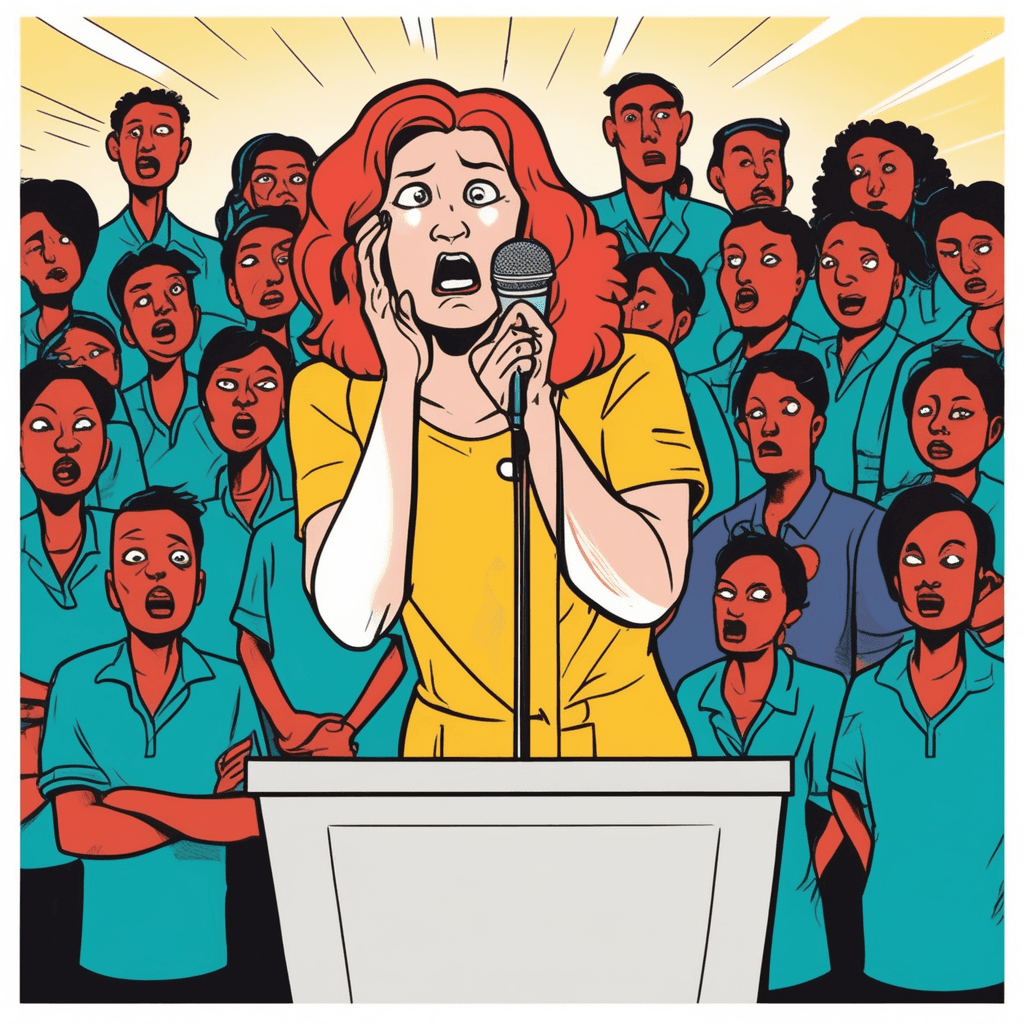
When voices are weak and barely leak, someone must speak for those who seek!
Got the picture? Now let's practice.
🎤Pronunciation
🌳Etymology
Origin
This phrasal verb combines Old English 'specan' (to speak) with the preposition 'for' (on behalf of). It developed from the literal sense of speaking on someone's behalf to mean representing someone's interests or advocating for a cause.
Breakdown
speak (Old English 'specan', to utter words) + for (preposition meaning on behalf of, for the benefit of).
🎵Rhyme
🔗Collocations
📝Examples
“I can't speak for my wife, but I personally love pineapple pizza.”
“The sales figures speak for themselves - our new product is a huge success.”
“Don't speak for me! I can order my own food at the restaurant.”
“His messy hair and wrinkled shirt speak for his busy morning routine.”
📚Related Words
Want to master 27,000+ words?
Sign up free for flashcards & quizzes.