uninhabited — having no people or animals living there
Part of speech: ADJECTIVE
Definition: having no people or animals living there
Pronunciation (IPA): /ʌnɪnˈhæbɪtɪd/
Example Sentences
- The zombie apocalypse left the entire city uninhabited except for one pizza delivery guy who was still making rounds.
- The remote cabin had been uninhabited for so long that even the spiders had moved out.
- Scientists discovered several uninhabited planets that could potentially support human life.
uninhabited
ADJECTIVE[/ʌnɪnˈhæbɪtɪd/]
having no people or animals living there

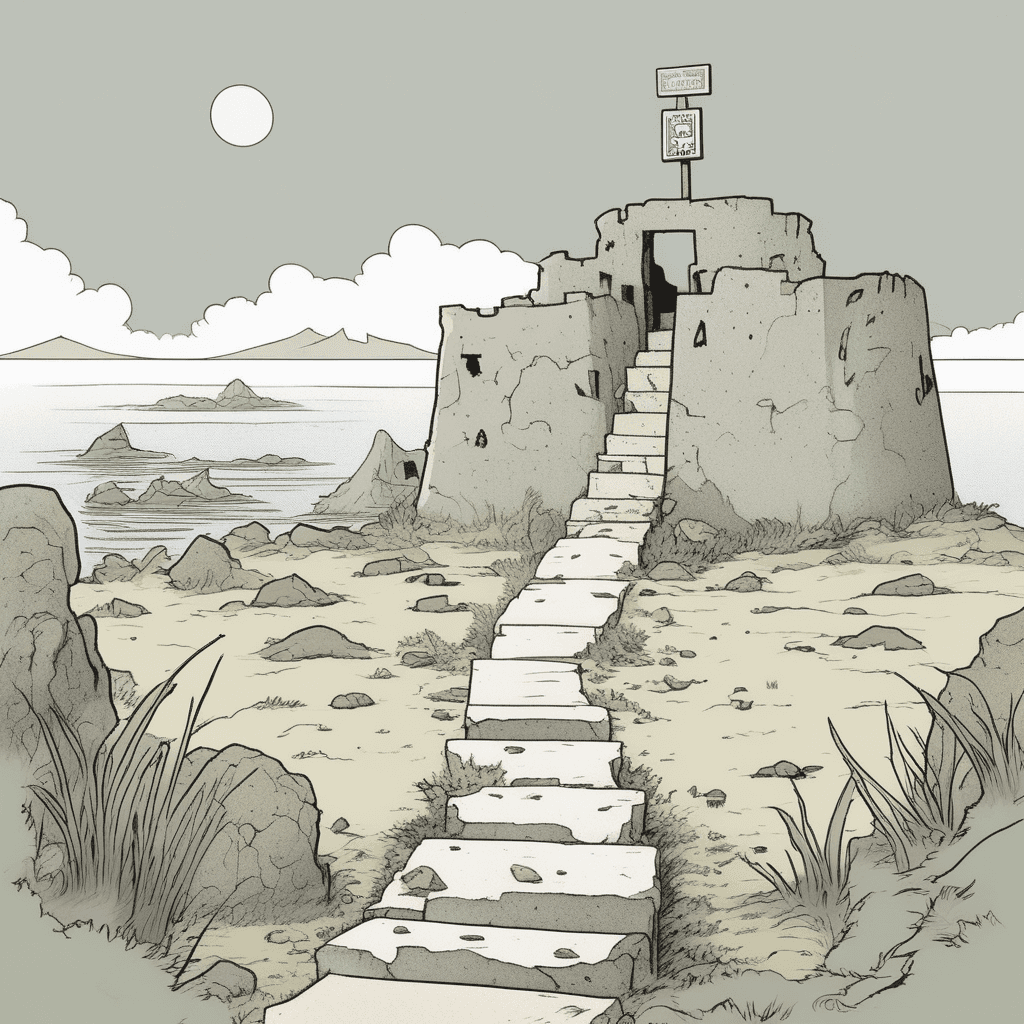
Once prohibited, now uninhabited, never inhabited again!
Got the picture? Now let's practice.
🎤Pronunciation
🌳Etymology
Origin
The word derives from Latin through Old French, combining the prefix 'in-' (in, within) with the Latin verb 'habitare' (to dwell, to inhabit). The Germanic prefix 'un-' was added in English to negate the sense, resulting in 'not inhabited' or 'not dwelt in'.
Breakdown
un- (not) + in- (in, within) + habit (from Latin habitare, to dwell) + -ed (past participle/adjective suffix). The morphemes combine to express the negation of occupation or residence in a place.
🎵Rhyme
🔗Collocations
📝Examples
“The zombie apocalypse left the entire city uninhabited except for one pizza delivery guy who was still making rounds.”
“The remote cabin had been uninhabited for so long that even the spiders had moved out.”
“Scientists discovered several uninhabited planets that could potentially support human life.”
“The uninhabited desert stretched for miles without any sign of civilization.”
📚Related Words
Want to master 27,000+ words?
Sign up free for flashcards & quizzes.