grievance — A formal complaint or a feeling of having been treated unfairly; a cause for protest or complaint, especially in the workplace.
Part of speech: NOUN
Definition: A formal complaint or a feeling of having been treated unfairly; a cause for protest or complaint, especially in the workplace.
Pronunciation (IPA): /ˈɡriːvəns/
Example Sentences
- His main grievance was that the coffee machine broke down every Monday morning.
- The union representative listened carefully to each worker's grievance.
- She had a grievance against her neighbor's karaoke sessions at 2 AM.
grievance
NOUN[/ˈɡriːvəns/]
A formal complaint or a feeling of having been treated unfairly; a cause for protest or complaint, especially in the workplace.

A formal complaint or a feeling of having been treated unfairly; a cause for protest or complaint, especially in the workplace.
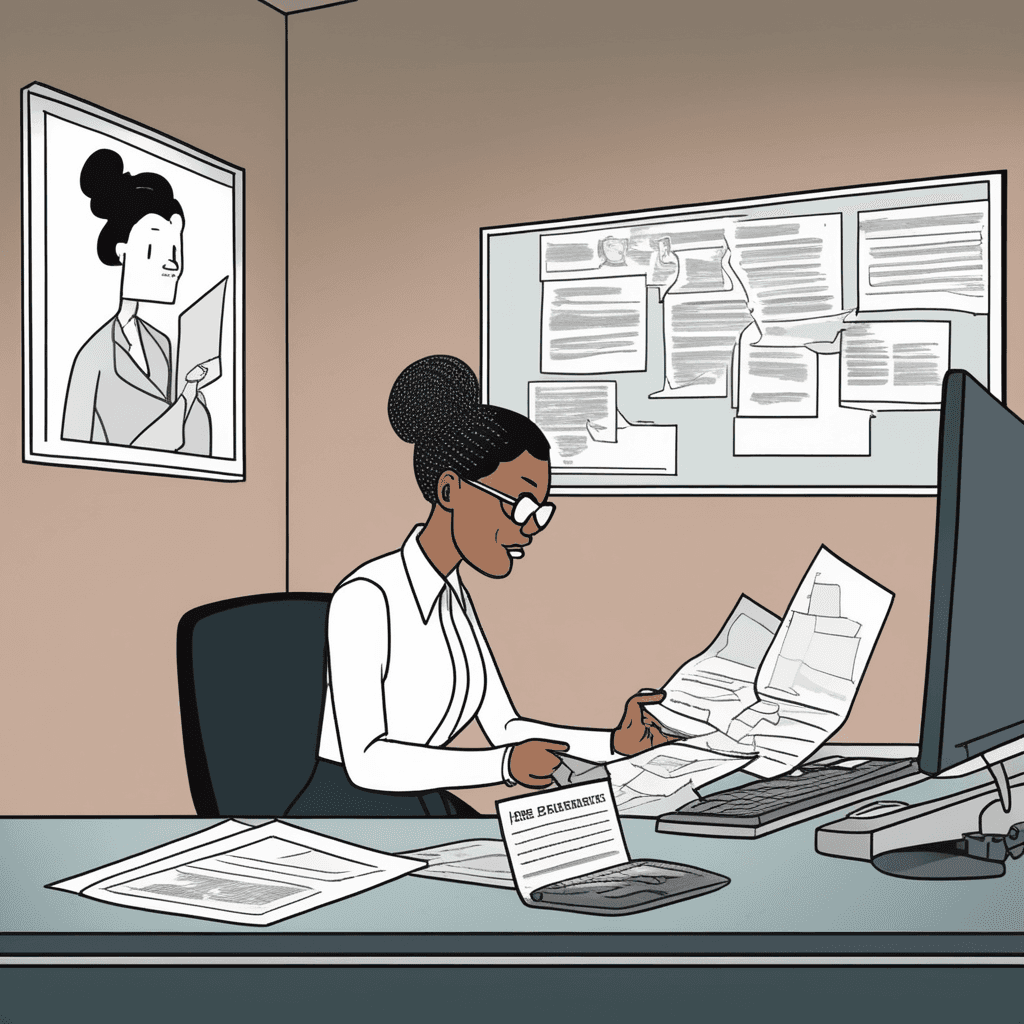
Turn your grievance into perseverance, not severance!
Got the picture? Now let's practice.
🎤Pronunciation
🌳Etymology
Origin
From Old French 'grievance,' derived from Latin 'gravare' meaning 'to burden or weigh down.' The word originally conveyed the sense of a heavy burden pressing on one's mind or heart.
Breakdown
griev- (from Latin 'gravare' meaning to burden/weigh down) + -ance (noun suffix indicating state or condition)
🎵Rhyme
📝Examples
“His main grievance was that the coffee machine broke down every Monday morning.”
“The union representative listened carefully to each worker's grievance.”
“She had a grievance against her neighbor's karaoke sessions at 2 AM.”
“The company established a formal grievance process for employee complaints.”
📚Related Words
Antonyms
Want to master 27,000+ words?
Sign up free for flashcards & quizzes.