self-control — the ability to control one's emotions, behavior, or desires, especially in difficult situations
Part of speech: NOUN
Definition: the ability to control one's emotions, behavior, or desires, especially in difficult situations
Pronunciation (IPA): /ˈsɛlf kənˈtroʊl/
Example Sentences
- His self-control vanished when he saw the chocolate cake in the fridge at 2 AM.
- The meditation course helped her develop better self-control in stressful situations.
- He practiced self-control by counting to ten before responding to annoying emails.
self-control
NOUN[/ˈsɛlf kənˈtroʊl/]
the ability to control one's emotions, behavior, or desires, especially in difficult situations

He showed self-control and walked past the dessert table without taking a single bite.
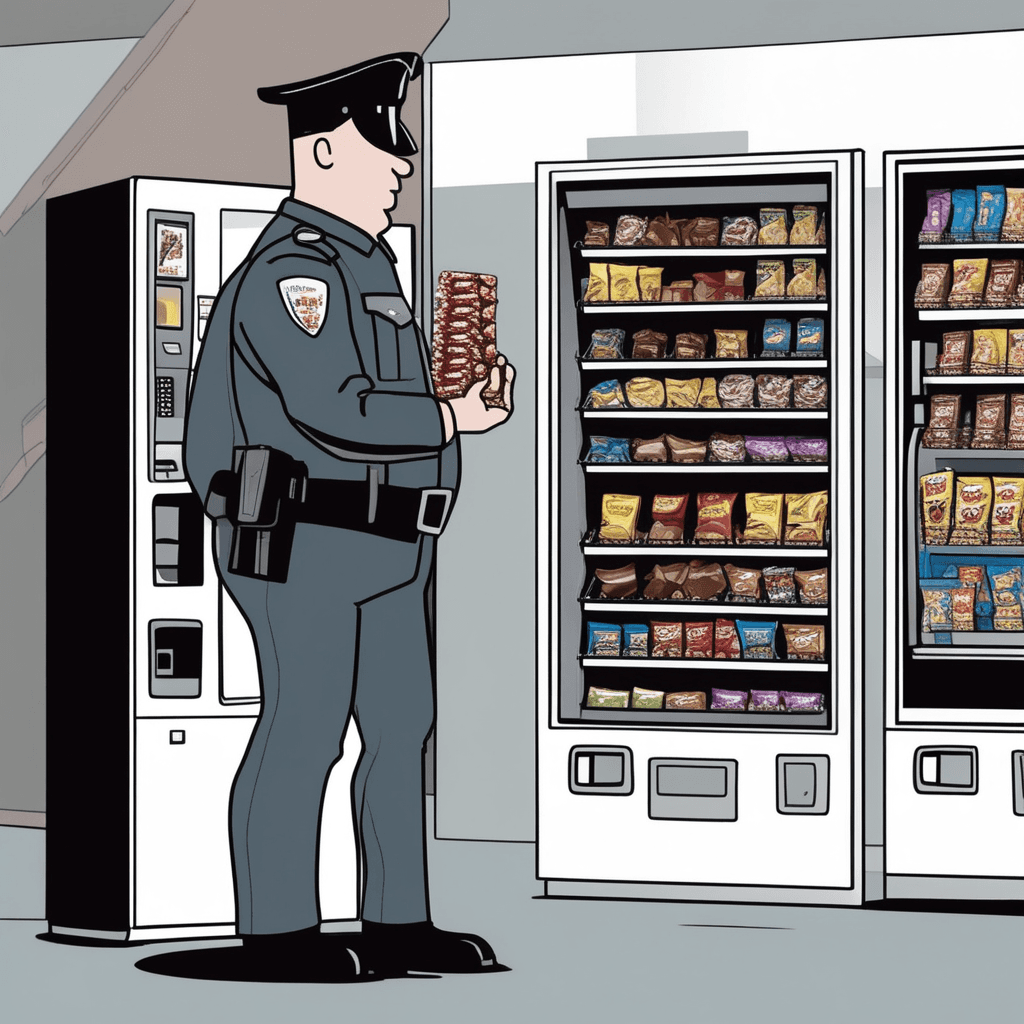
Keep self-control even on patrol!
Got the picture? Now let's practice.
🎤Pronunciation
🌳Etymology
Origin
Self derives from Old Germanic languages meaning 'one's own person or being.' Control comes from Latin contrarotulus, combining contra (against) and rotulus (wheel or roll), originally meaning to check or verify by counter-rolling. Together, self-control emerged in English to denote the ability to regulate one's own emotions and desires.
Breakdown
self (Old Germanic: one's own) + control (Latin contra- [against] + rotulus [wheel/roll], meaning to regulate or restrain). The compound expresses the concept of managing one's own impulses and behavior.
🎵Rhyme
🔗Collocations
📝Examples
“His self-control vanished when he saw the chocolate cake in the fridge at 2 AM.”
“The meditation course helped her develop better self-control in stressful situations.”
“He practiced self-control by counting to ten before responding to annoying emails.”
“Her self-control was tested when her neighbor played loud music during her exam preparation.”
📚Related Words
Want to master 27,000+ words?
Sign up free for flashcards & quizzes.