diagnostic — relating to the identification of the nature or cause of a phenomenon
Part of speech: ADJECTIVE
Definition: relating to the identification of the nature or cause of a phenomenon
Pronunciation (IPA): /ˌdaɪəɡˈnɑːstɪk/
Example Sentences
- The mechanic used diagnostic software to figure out why my car kept playing opera music instead of starting.
- Modern diagnostic equipment can detect problems at the cellular level.
- The teacher's diagnostic quiz revealed that half the class thought Shakespeare was a type of milkshake.
diagnostic
ADJECTIVE[/ˌdaɪəɡˈnɑːstɪk/]
relating to the identification of the nature or cause of a phenomenon
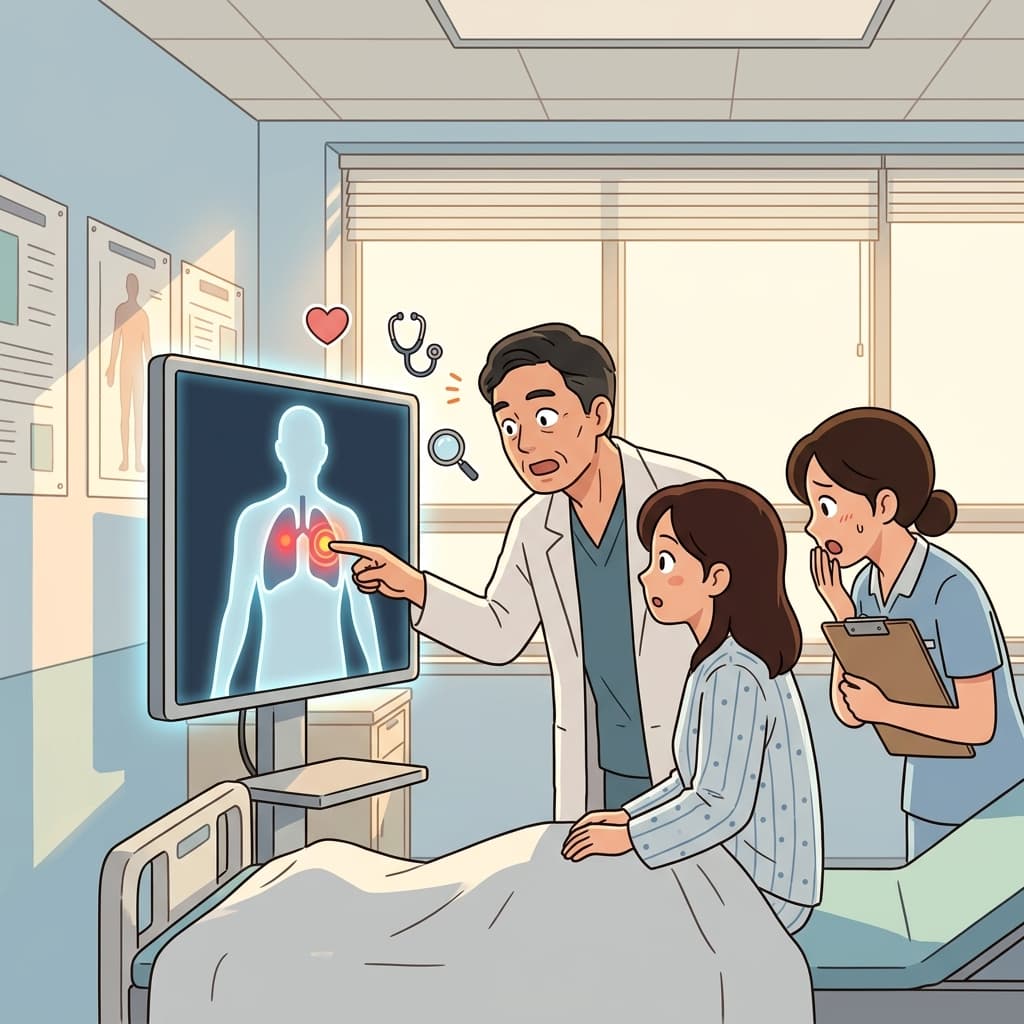
The doctor runs a diagnostic scan to find what's wrong with the patient.
Got the picture? Now let's practice.
🎤Pronunciation
🌳Etymology
Origin
Derived from Ancient Greek diagignoskein, composed of dia- (through) and gignoskein (to know). Originally meant 'to distinguish' or 'to discern by examining', referring to the medical process of identifying diseases by careful examination and differentiation of symptoms.
Breakdown
dia- (through, across) + gignoskein (to know, to recognize) → diagignoskein (to distinguish, to discern). The suffix -ic transforms the verb into an adjective meaning 'of or relating to diagnosis'.
🎵Rhyme
🔗Collocations
📝Examples
“The mechanic used diagnostic software to figure out why my car kept playing opera music instead of starting.”
“Modern diagnostic equipment can detect problems at the cellular level.”
“The teacher's diagnostic quiz revealed that half the class thought Shakespeare was a type of milkshake.”
“Early diagnostic intervention can significantly improve treatment outcomes.”
📚Related Words
Want to master 27,000+ words?
Sign up free for flashcards & quizzes.