regressive — becoming worse or returning to a former, less developed state; moving backward instead of forward
Part of speech: ADJECTIVE
Definition: becoming worse or returning to a former, less developed state; moving backward instead of forward
Pronunciation (IPA): /rɪˈɡrɛsɪv/
Example Sentences
- After losing the game, my brother had a regressive meltdown and started crying like he was five years old.
- Economists warned that the new flat tax would be regressive, hurting low-income workers the most.
- The company's decision to cancel remote work felt like a regressive step back to the stone age of commuting.
regressive
ADJECTIVE[/rɪˈɡrɛsɪv/]
becoming worse or returning to a former, less developed state; moving backward instead of forward
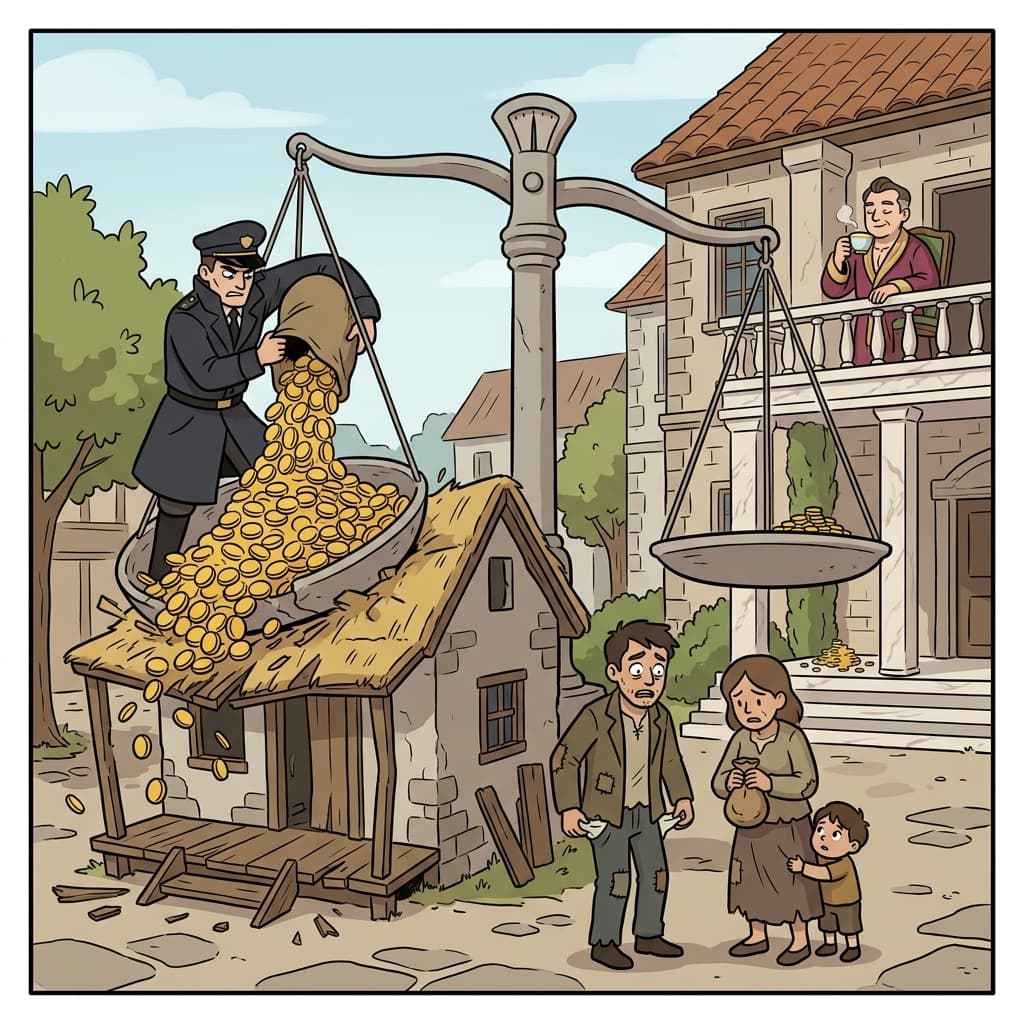
The new tax policy is regressive, hitting poor families much harder than the wealthy.
Got the picture? Now let's practice.
🎤Pronunciation
🌳Etymology
Origin
From Latin regressus, past participle of regredi meaning 'to go back'.
Breakdown
re- (back) + gress (to step/walk) + -ive (adjective suffix)
🎵Rhyme
🔗Collocations
📝Examples
“After losing the game, my brother had a regressive meltdown and started crying like he was five years old.”
“Economists warned that the new flat tax would be regressive, hurting low-income workers the most.”
“The company's decision to cancel remote work felt like a regressive step back to the stone age of commuting.”
“Some critics called the policy regressive, arguing it undid decades of social progress.”
📚Related Words
Want to master 27,000+ words?
Sign up free for flashcards & quizzes.