neutrality — the state of not supporting or helping either side in a conflict, argument, or contest
Part of speech: NOUN
Definition: the state of not supporting or helping either side in a conflict, argument, or contest
Pronunciation (IPA): /nuːˈtræləti/
Example Sentences
- Switzerland is famous for its neutrality - they haven't joined any wars, but they sure know how to make chocolate!
- The referee must maintain neutrality throughout the match.
- The teacher's neutrality in student debates helped create a fair learning environment.
neutrality
NOUN[/nuːˈtræləti/]
the state of not supporting or helping either side in a conflict, argument, or contest
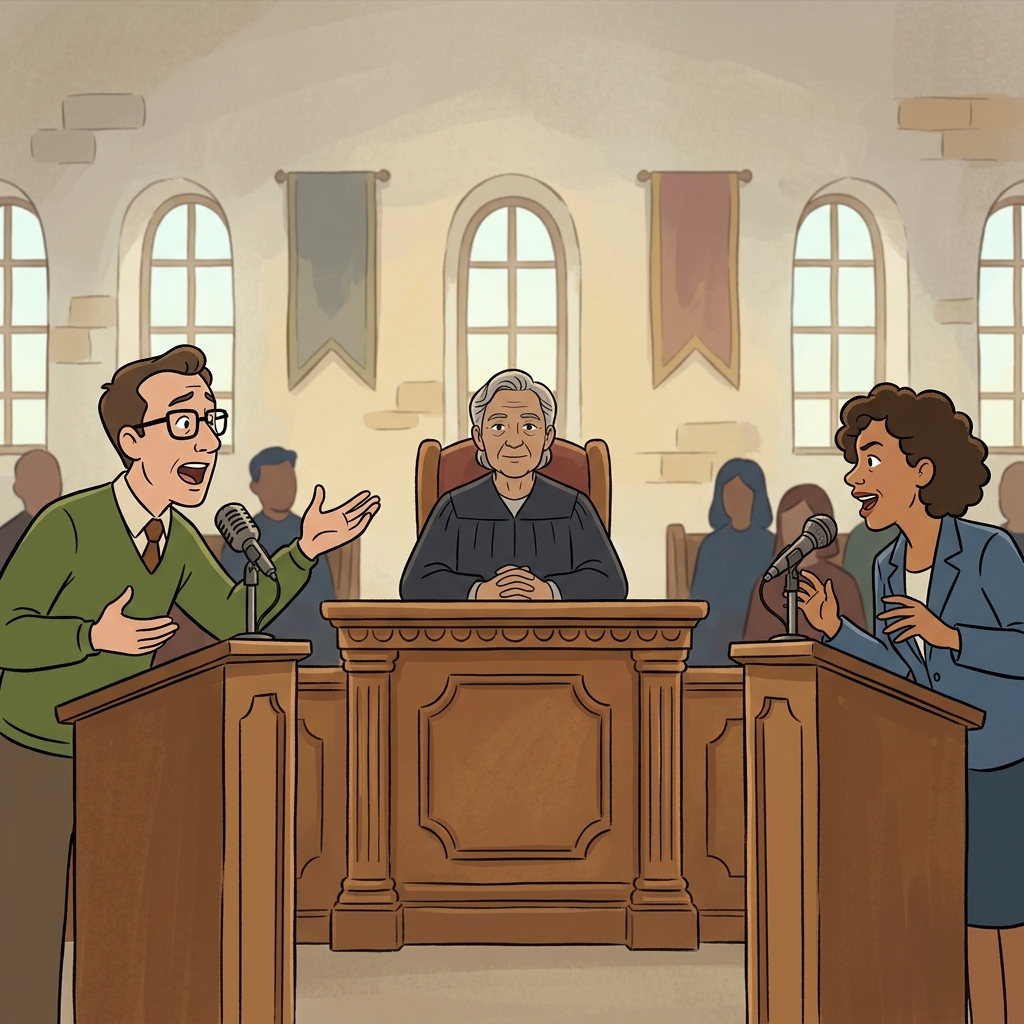
The judge's neutrality helped both sides trust the decision.
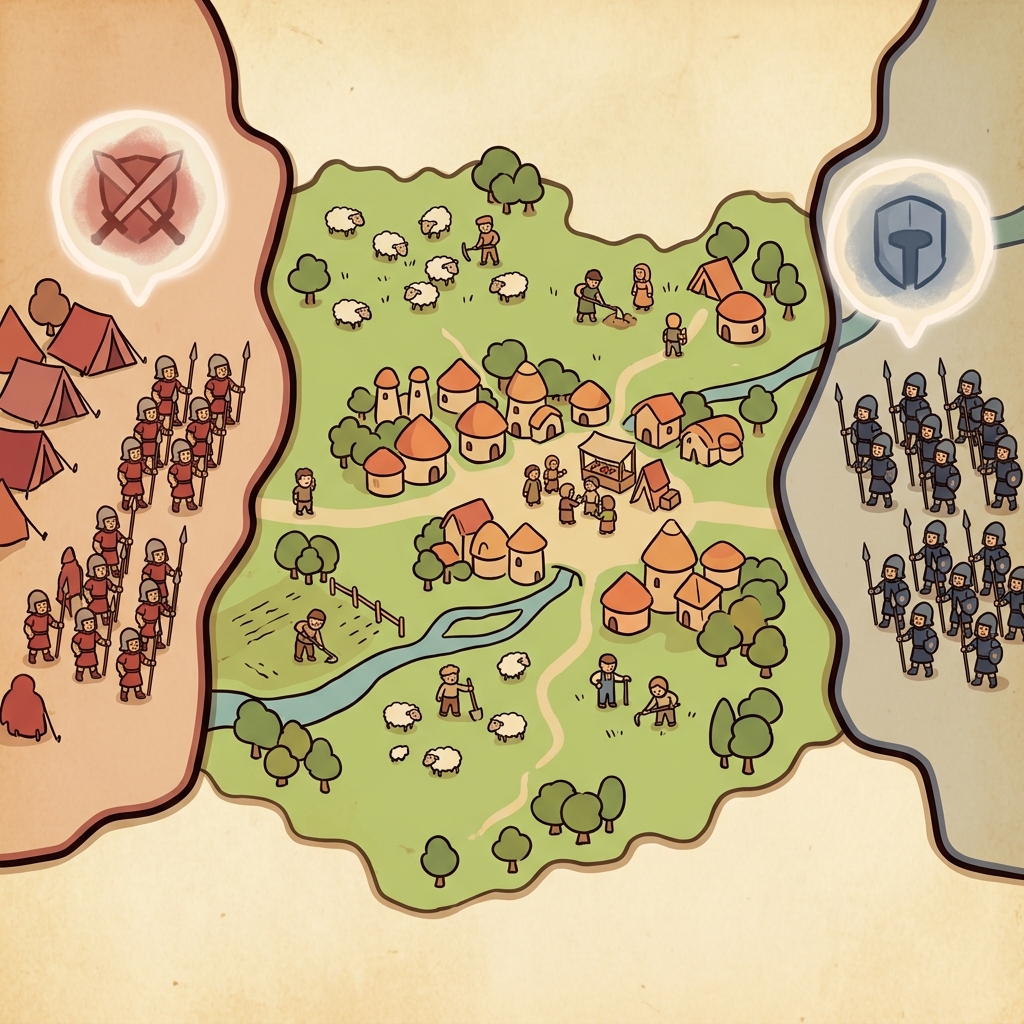
The country's neutrality allowed it to avoid the conflict. (NEITHER + SIDE + STATE = NEUTRALITY → the state of supporting neither side)
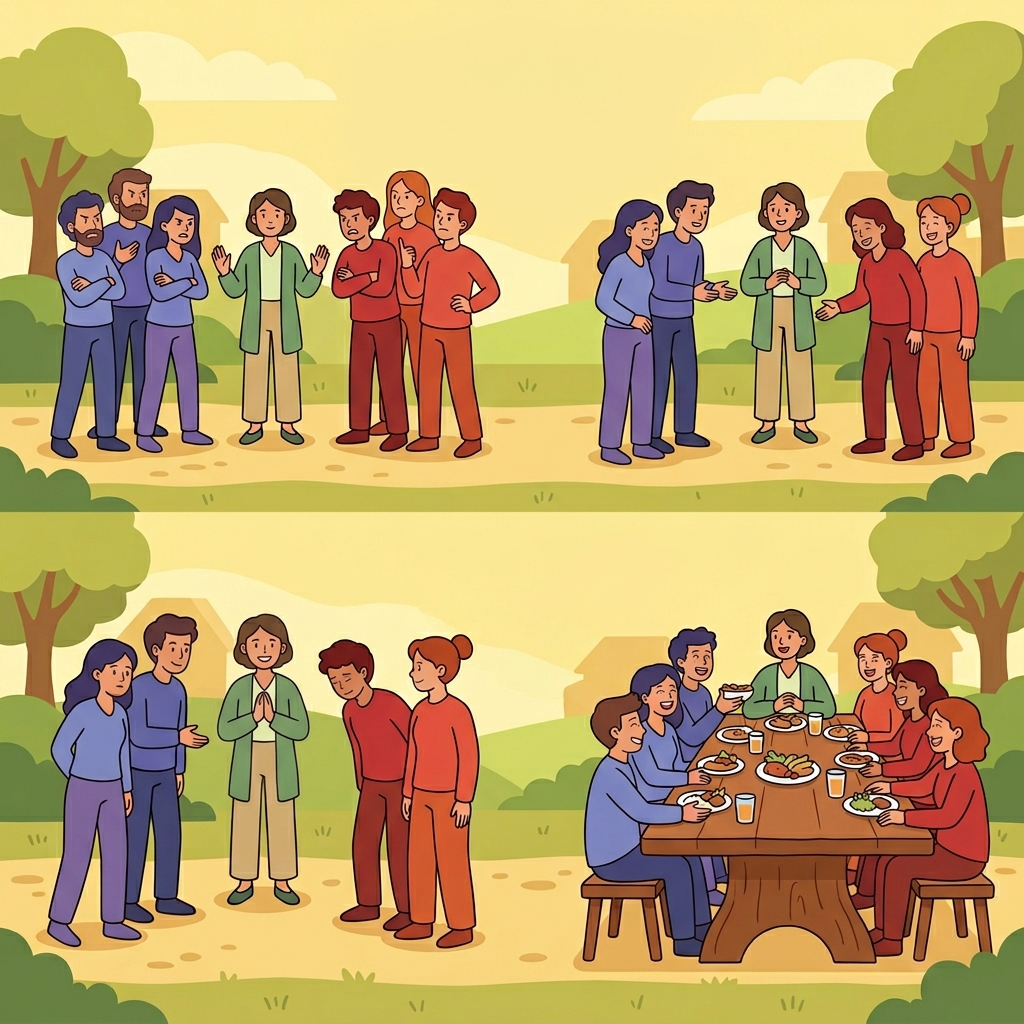
Neutrality encouraged mutuality and led to tranquility.
Got the picture? Now let's practice.
🎤Pronunciation
🌳Etymology
🎵Rhyme
🔗Collocations
📝Examples
“Switzerland is famous for its neutrality - they haven't joined any wars, but they sure know how to make chocolate!”
“The referee must maintain neutrality throughout the match.”
“The teacher's neutrality in student debates helped create a fair learning environment.”
“His neutrality in office gossip made him the most trusted person in the company.”
📚Related Words
Synonyms
Antonyms
Related
Want to master 19,000+ words?
Sign up free for flashcards & quizzes.