abandon — to give up completely; to leave someone or something behind
Part of speech: VERB
Definition: to give up completely; to leave someone or something behind
Pronunciation (IPA): /əˈbændən/
Example Sentences
- Tom decided to abandon his diet when he saw the chocolate cake.
- She abandoned all her social media accounts to focus on studying.
- The cat abandoned its toy mouse when it found a real one.
abandon
VERB[/əˈbændən/]
to give up completely; to leave someone or something behind
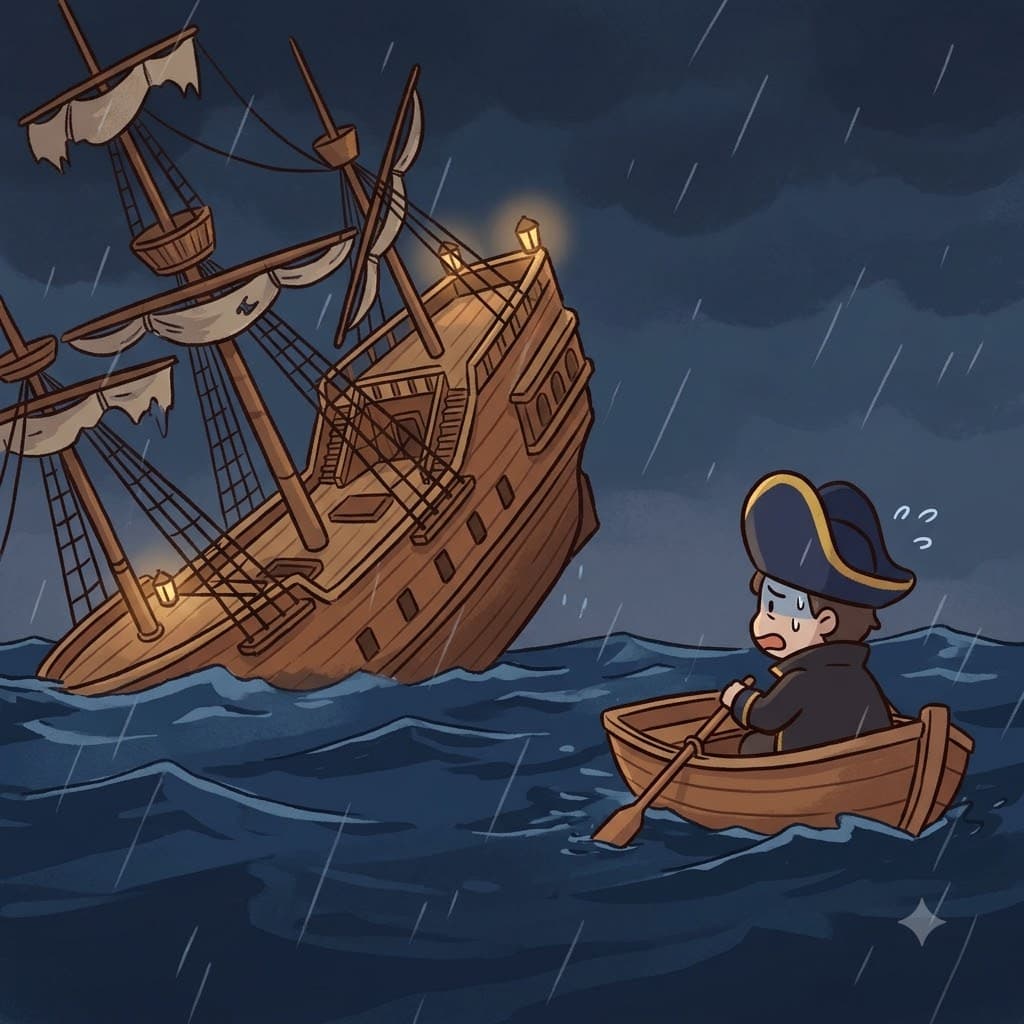
As the dark water rapidly filled the lower deck, the cowardly captain chose to abandon his sinking ship.
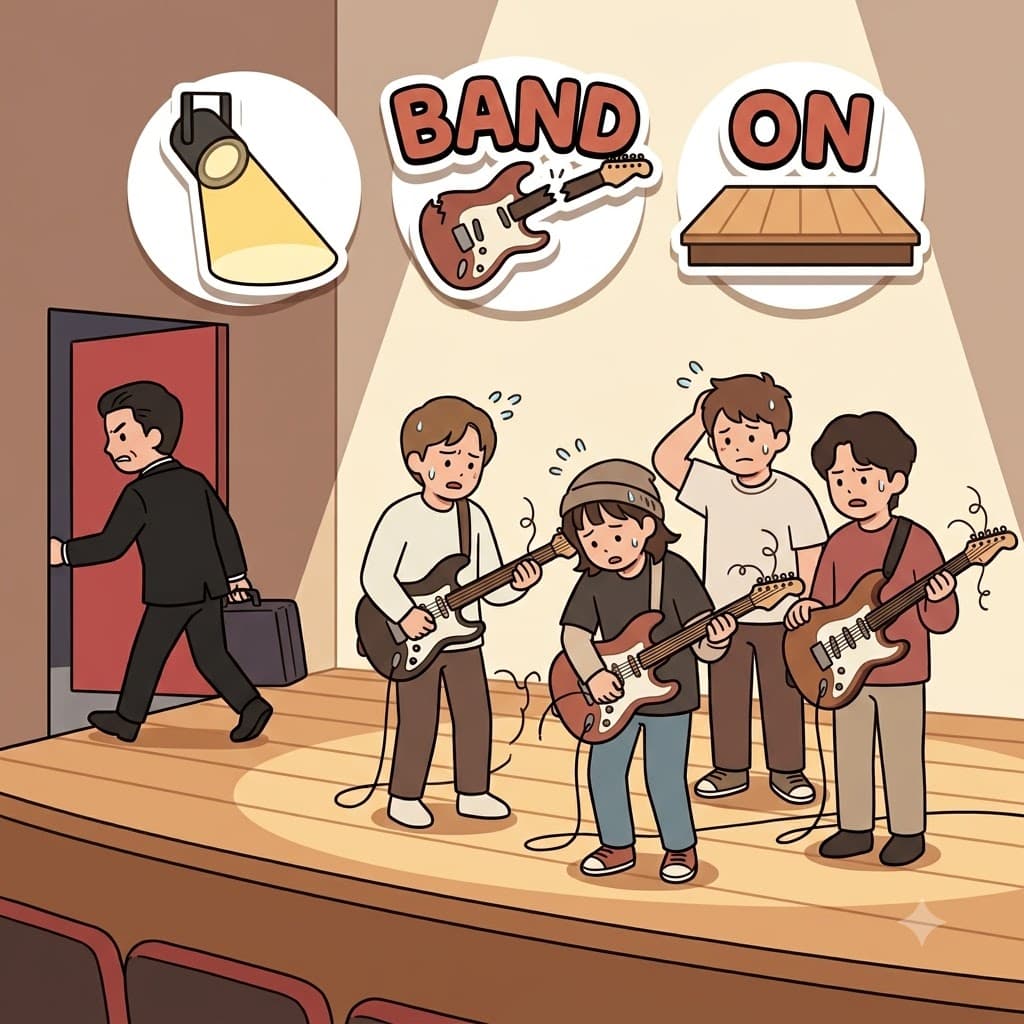
A(one) + BAND(music group) + ON(on stage) — disgusted by the terrible music, the angry manager left A BAND ON the stage to abandon them forever.
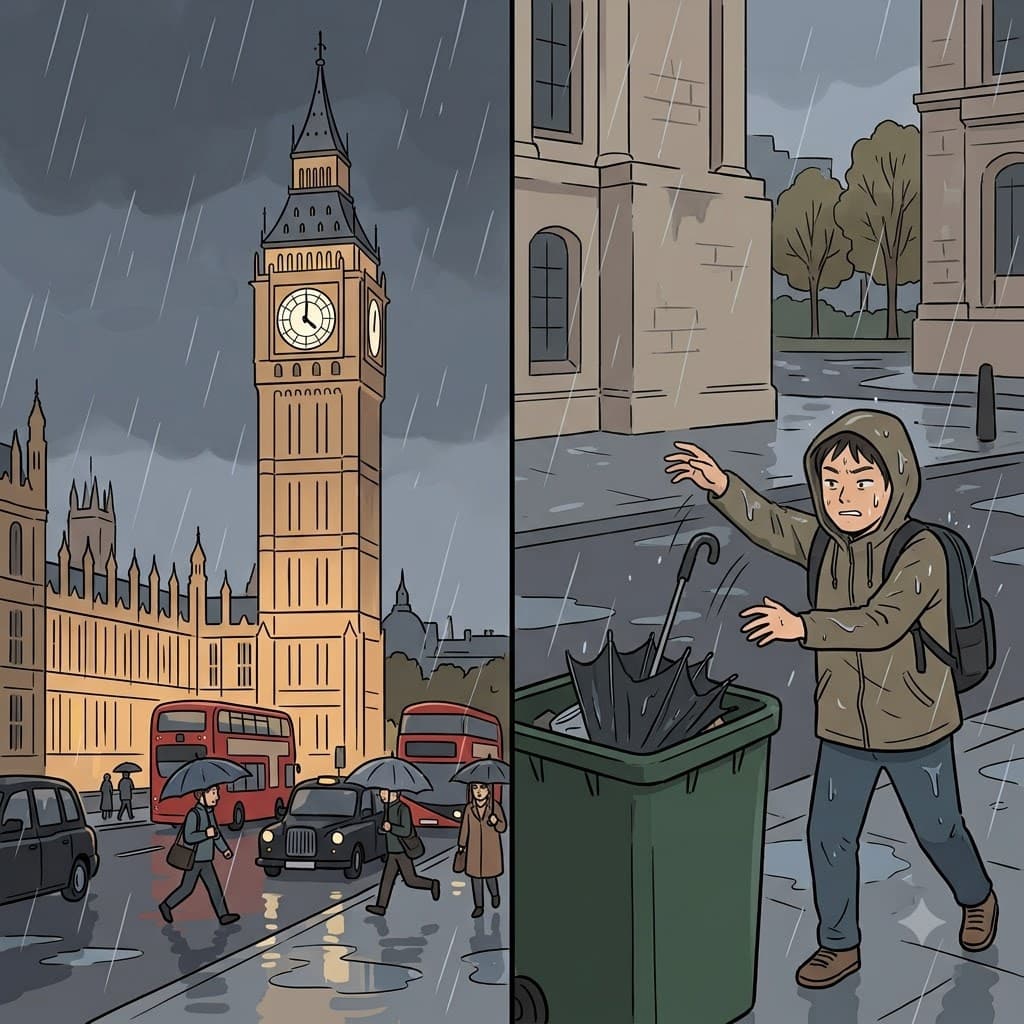
Caught in the terrible winds of London, the tourist decided to completely abandon his broken umbrella.
Got the picture? Now let's practice.
🎤Pronunciation
🌳Etymology
Origin
From Old French 'abandoner', combining 'a-' (to) + 'bandon' (control/jurisdiction), which derives from Germanic roots. The term originally meant to put something under someone else's control, then evolved to mean leaving or deserting completely.
Breakdown
a- (to) + bandon (control/power) = abandon (to leave or give up completely)
🎵Rhyme
🔗Collocations
“Never abandon hope, even in difficult times.”
“The crew had to abandon ship when it started sinking.”
“They decided to abandon the plan due to budget constraints.”
“The children played with abandon in the park.”
“The abandoned building became a home for stray cats.”
📝Examples
“Tom decided to abandon his diet when he saw the chocolate cake.”
“She abandoned all her social media accounts to focus on studying.”
“The cat abandoned its toy mouse when it found a real one.”
“Due to the storm, we had to abandon our camping trip.”
📚Related Words
Want to master 27,000+ words?
Sign up free for flashcards & quizzes.