unsympathetic — not feeling, showing, or expressing sympathy
Part of speech: ADJECTIVE
Definition: not feeling, showing, or expressing sympathy
Pronunciation (IPA): /ʌnˌsɪmpəˈθetɪk/
Example Sentences
- My cat gave me an unsympathetic look when I complained about being tired after cleaning his litter box all day.
- The judge was unsympathetic to the defendant's excuse about oversleeping.
- She remained unsympathetic even when her brother dramatically claimed he was 'dying' from a tiny paper cut.
unsympathetic
ADJECTIVE[/ʌnˌsɪmpəˈθetɪk/]
not feeling, showing, or expressing sympathy

The manager stayed unsympathetic as the exhausted worker begged for one day off.
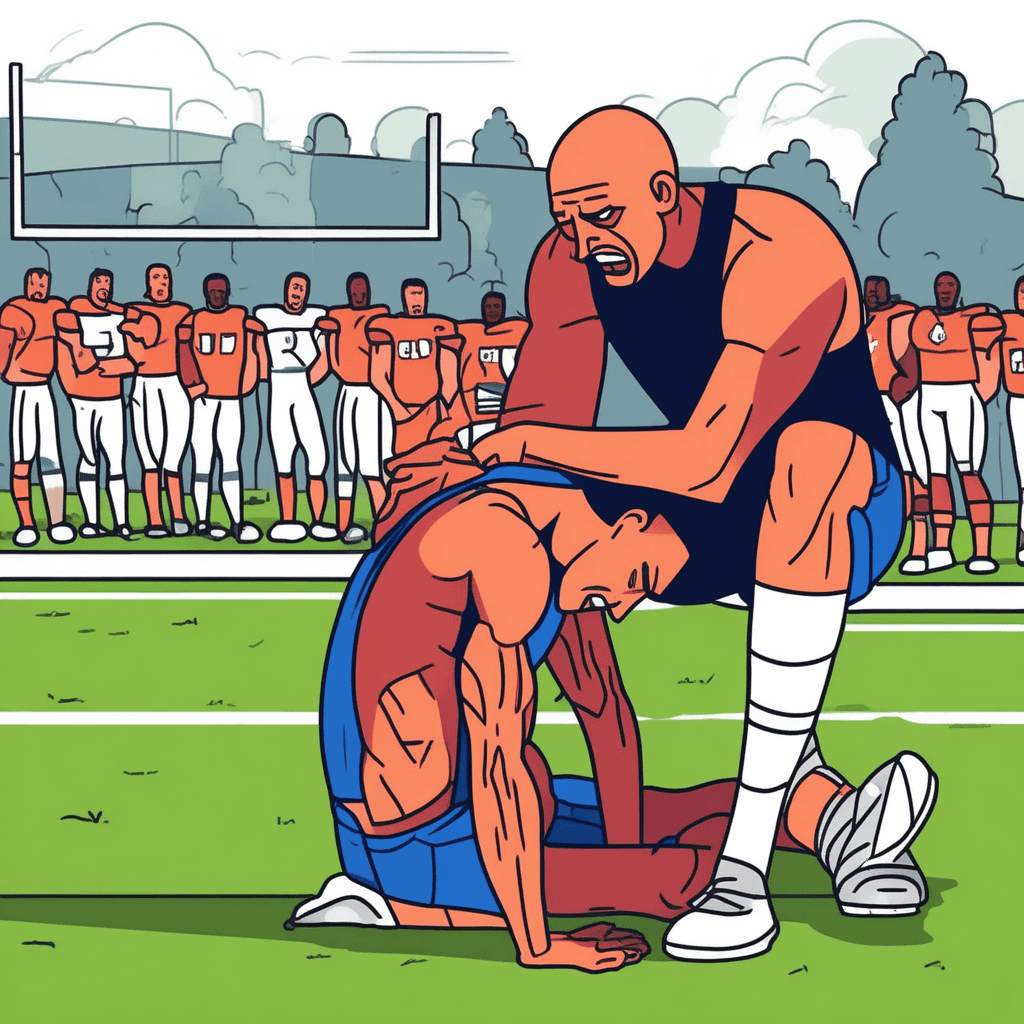
The athletic coach stays unsympathetic to the pathetic scene!
Got the picture? Now let's practice.
🎤Pronunciation
🌳Etymology
Origin
From Greek 'sympatheia' meaning 'to feel together' or 'to suffer with,' combined with the negative prefix 'un-'. The original concept of sharing someone's feelings was reversed to mean showing no compassion or understanding.
Breakdown
un- (not/opposite of) + sym- (together) + path- (feeling/suffering) + -etic (adjective suffix meaning 'having the quality of')
🎵Rhyme
🔗Collocations
📝Examples
“My cat gave me an unsympathetic look when I complained about being tired after cleaning his litter box all day.”
“The judge was unsympathetic to the defendant's excuse about oversleeping.”
“She remained unsympathetic even when her brother dramatically claimed he was 'dying' from a tiny paper cut.”
“The boss was unsympathetic to employees who requested time off during the busy season.”
📚Related Words
Want to master 27,000+ words?
Sign up free for flashcards & quizzes.