stem from — to originate or develop as a result of something; to be caused by
Part of speech: VERB
Definition: to originate or develop as a result of something; to be caused by
Pronunciation (IPA): /stɛm frʌm/
Example Sentences
- His fear of dogs stems from a scary incident when he was five.
- Many health problems stem from poor diet and lack of exercise.
- Her sudden hatred for pineapple pizza stems from a traumatic party where someone put pineapple on literally everything, including the salad.
stem from
VERB[/stɛm frʌm/]
to originate or develop as a result of something; to be caused by
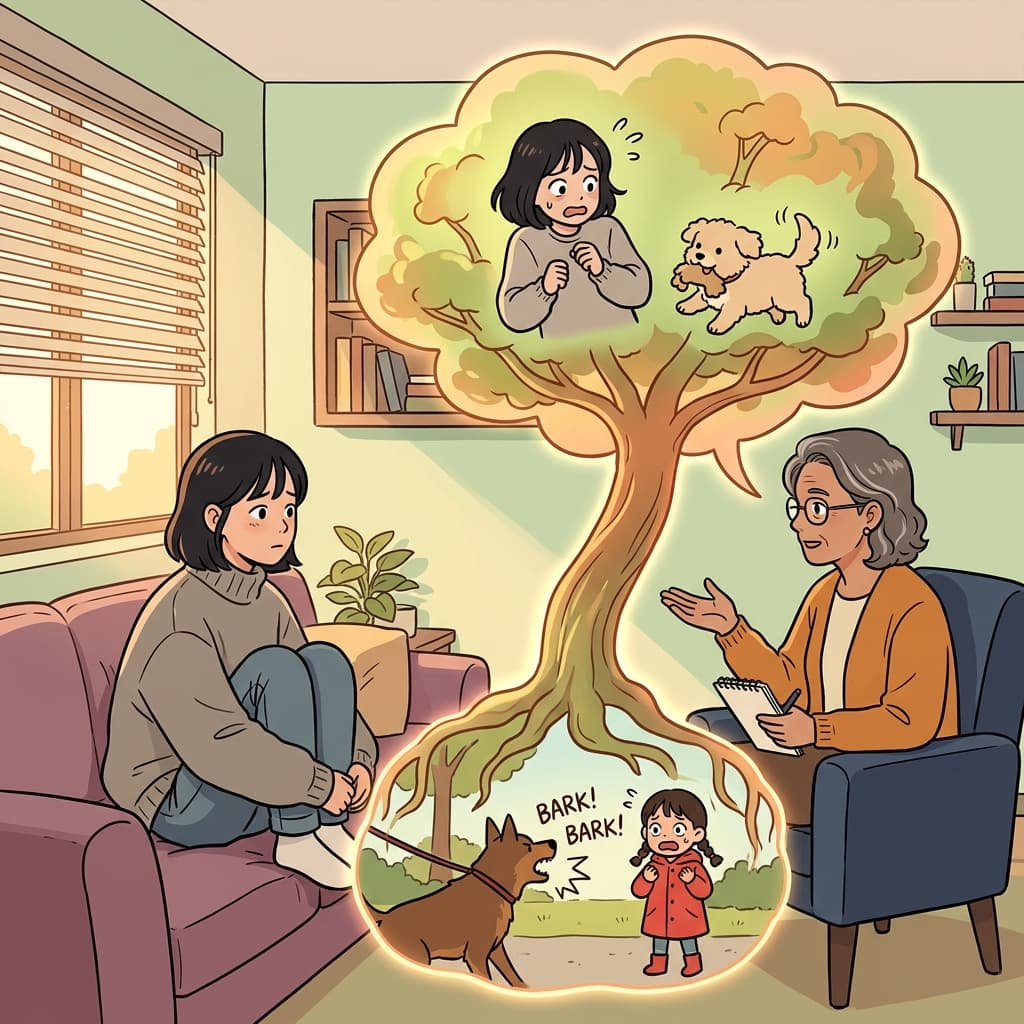
Her fear of dogs seems to stem from a childhood bite in the park.
Got the picture? Now let's practice.
🎤Pronunciation
🌳Etymology
Origin
From Old English 'stemn' meaning the trunk or stalk of a plant; figuratively extended to describe something that grows or originates from a source, like a branch stemming from a trunk.
Breakdown
stem (trunk/stalk, root meaning 'origin') + from (preposition indicating source)
🎵Rhyme
🔗Collocations
📝Examples
“His fear of dogs stems from a scary incident when he was five.”
“Many health problems stem from poor diet and lack of exercise.”
“Her sudden hatred for pineapple pizza stems from a traumatic party where someone put pineapple on literally everything, including the salad.”
“The company's success stems from its innovative approach to customer service.”
“My roommate's obsession with cleaning stems from binge-watching home makeover shows for three weeks straight.”
📚Related Words
Want to master 27,000+ words?
Sign up free for flashcards & quizzes.