respond — to say or do something as a reaction to something that has been said or done
Part of speech: VERB
Definition: to say or do something as a reaction to something that has been said or done
Pronunciation (IPA): /rɪˈspɑːnd/
Example Sentences
- My cat only responds to its name when there's food involved.
- Students must respond to all questions on the exam.
- He responded to the job interview email faster than he responds to his mom's texts.
respond
VERB[/rɪˈspɑːnd/]
to say or do something as a reaction to something that has been said or done

He responded quickly to the emergency.
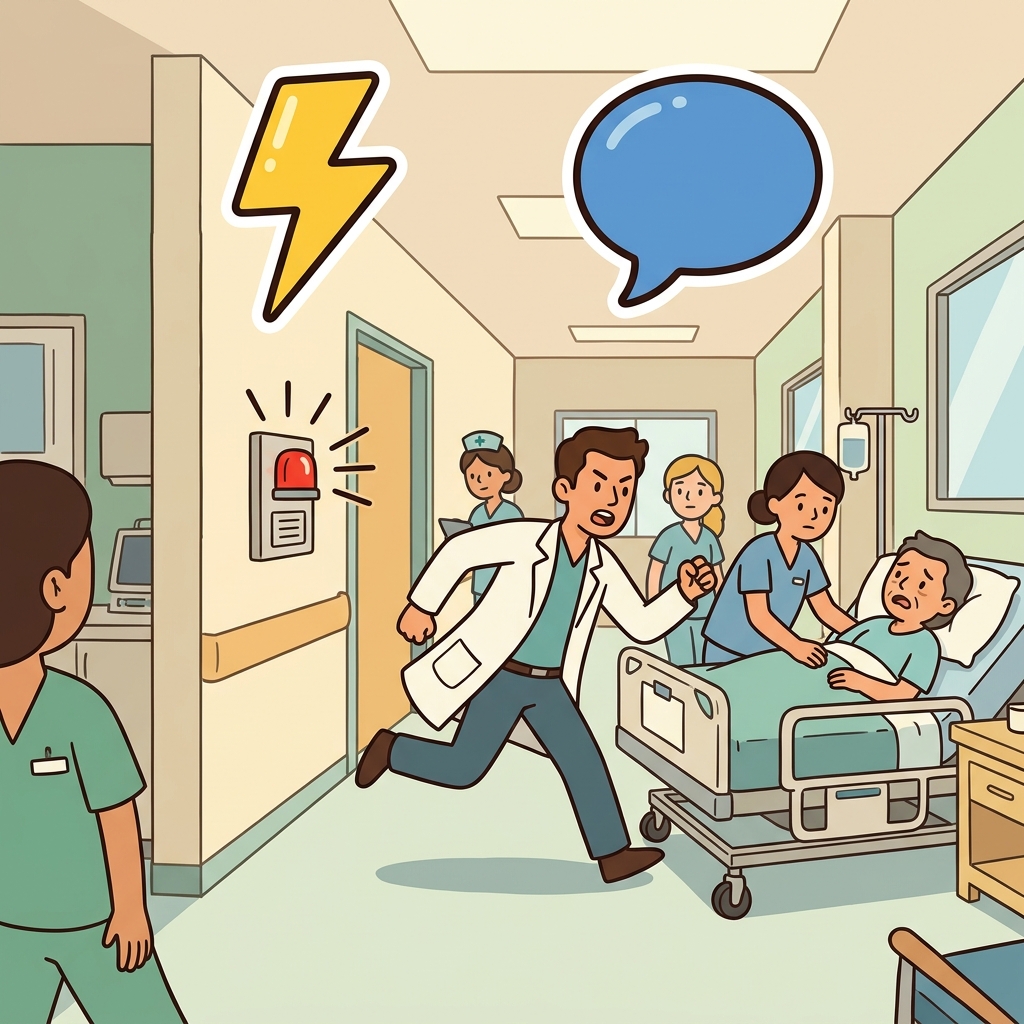
The doctor responded immediately to the alarm. (REACTION + ANSWER = RESPOND → to react or give an answer)

When you respond and correspond, you build a stronger bond.
Got the picture? Now let's practice.
🎤Pronunciation
🌳Etymology
Origin
The word derives from Latin, combining the prefix 're-' (again) and the verb 'spondere' (to pledge or promise). The original sense was 'to pledge in return' or 'to answer,' which evolved to mean 'to reply or react to something.'
Breakdown
re- (again, back) + spondere (to pledge, promise, or vow). The compound originally conveyed the sense of making a reciprocal commitment or answering in kind.
🎵Rhyme
🔗Collocations
📝Examples
“My cat only responds to its name when there's food involved.”
“Students must respond to all questions on the exam.”
“He responded to the job interview email faster than he responds to his mom's texts.”
“The government needs to respond to citizens' concerns about pollution.”
📚Related Words
Synonyms
Antonyms
Related
Want to master 19,000+ words?
Sign up free for flashcards & quizzes.