drift — To move slowly and aimlessly, often carried by currents of air or water. Can also mean to gradually change direction or lose focus without purpose.
Part of speech: VERB
Definition: To move slowly and aimlessly, often carried by currents of air or water. Can also mean to gradually change direction or lose focus without purpose.
Pronunciation (IPA): /drɪft/
Example Sentences
- I tend to drift off to sleep during my boss's presentations.
- The smell of pizza drifted from the kitchen, making everyone hungry.
- My savings account balance keeps drifting toward zero, like a sad magic trick.
drift
VERB[/drɪft/]
To move slowly and aimlessly, often carried by currents of air or water. Can also mean to gradually change direction or lose focus without purpose.

To move slowly and aimlessly, often carried by currents of air or water. Can also mean to gradually change direction or lose focus without purpose.
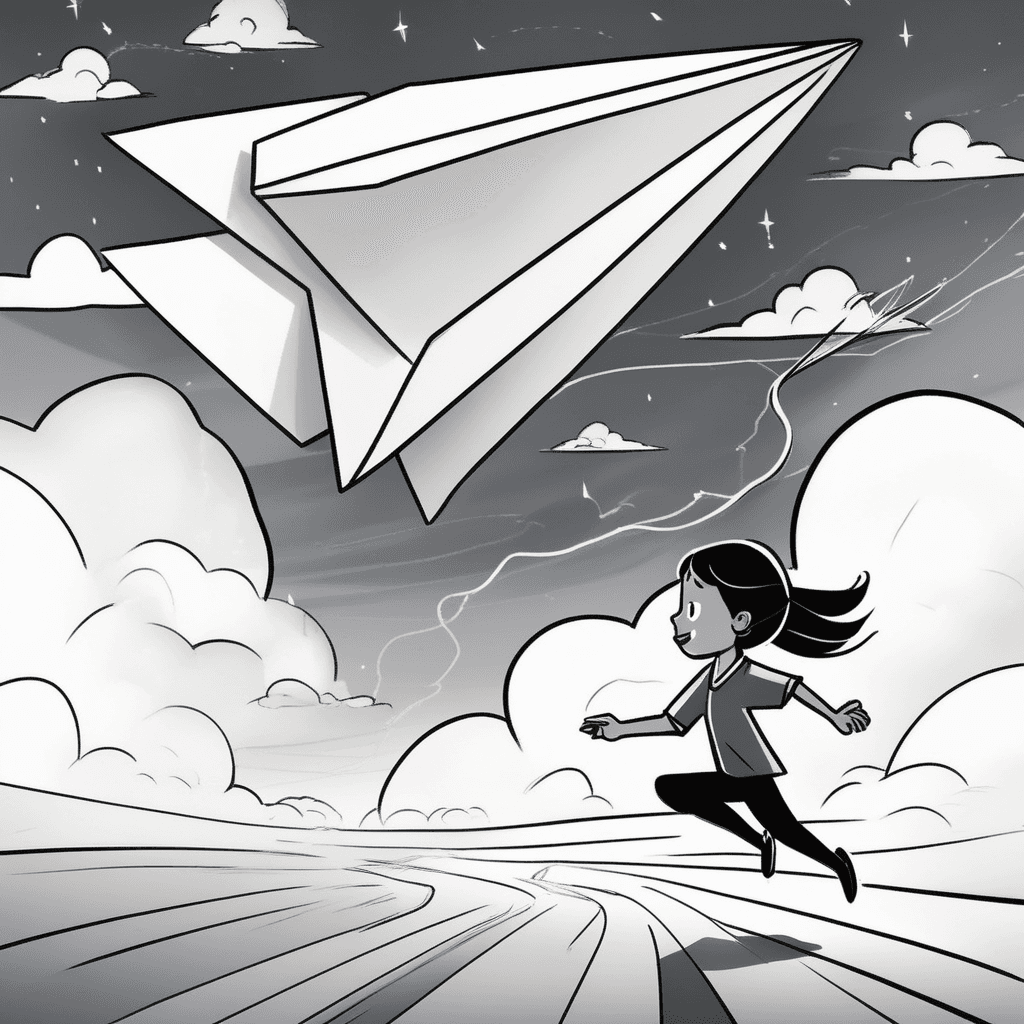
Paper planes drift slow, but swift hands catch the gift!
Got the picture? Now let's practice.
🎤Pronunciation
🌳Etymology
Origin
From Old Norse 'drift' meaning 'snowdrift' or 'something driven by wind or water'. Viking sailors used this word to describe how their ships were pushed along by winds and currents.
Breakdown
drift (root meaning 'to be driven or carried along by natural forces')
🎵Rhyme
📝Examples
“I tend to drift off to sleep during my boss's presentations.”
“The smell of pizza drifted from the kitchen, making everyone hungry.”
“My savings account balance keeps drifting toward zero, like a sad magic trick.”
“The conversation drifted from work topics to weekend plans.”
📚Related Words
Want to master 27,000+ words?
Sign up free for flashcards & quizzes.