mechanics — the branch of physics dealing with motion and forces
Part of speech: NOUN
Definition: the branch of physics dealing with motion and forces
Pronunciation (IPA): /məˈkænɪks/
Example Sentences
- She mastered the mechanics of the piano in just two years.
- The mechanics of dating apps are more complex than rocket science.
- Classical mechanics fails to explain why my phone disappears when I need it most.
mechanics
NOUN[/məˈkænɪks/]
the branch of physics dealing with motion and forces

Physics of motion and forces
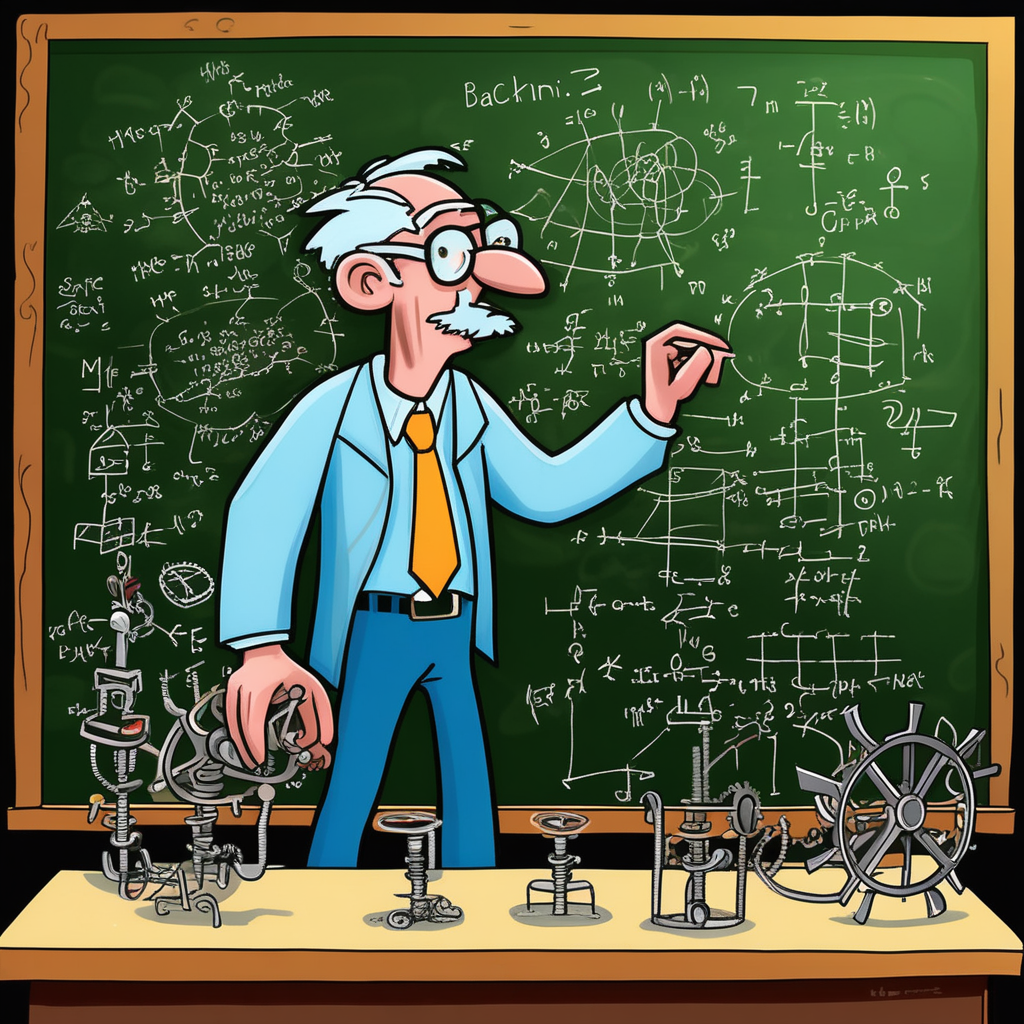
Mechanics brings dynamics beyond academics!
Got the picture? Now let's practice.
🎤Pronunciation
🌳Etymology
Origin
From Greek 'mechanikos' meaning 'of machines,' derived from 'mechane' (machine, device). The word entered English through French and Latin in the 16th-17th centuries, originally referring to the practical arts of construction and operation of machines.
Breakdown
mechane (Greek: machine, device) + -ikos (Greek: adjective suffix 'of or relating to') + -s (English plural/nominalization) = mechanics
🎵Rhyme
🔗Collocations
📝Examples
“She mastered the mechanics of the piano in just two years.”
“The mechanics of dating apps are more complex than rocket science.”
“Classical mechanics fails to explain why my phone disappears when I need it most.”
“The mechanics of teamwork require clear communication.”
📚Related Words
Synonyms
Antonyms
Related
Want to master 19,000+ words?
Sign up free for flashcards & quizzes.