liberation — the action of setting someone or something free from imprisonment, slavery, or oppression
Part of speech: NOUN
Definition: the action of setting someone or something free from imprisonment, slavery, or oppression
Pronunciation (IPA): /ˌlɪbəˈreɪʃən/
Example Sentences
- The liberation of the city was met with celebrations in the streets.
- After years of studying, graduation felt like a liberation from textbooks.
- The liberation of Korea from Japanese rule is celebrated on August 15th.
liberation
NOUN[/ˌlɪbəˈreɪʃən/]
the action of setting someone or something free from imprisonment, slavery, or oppression
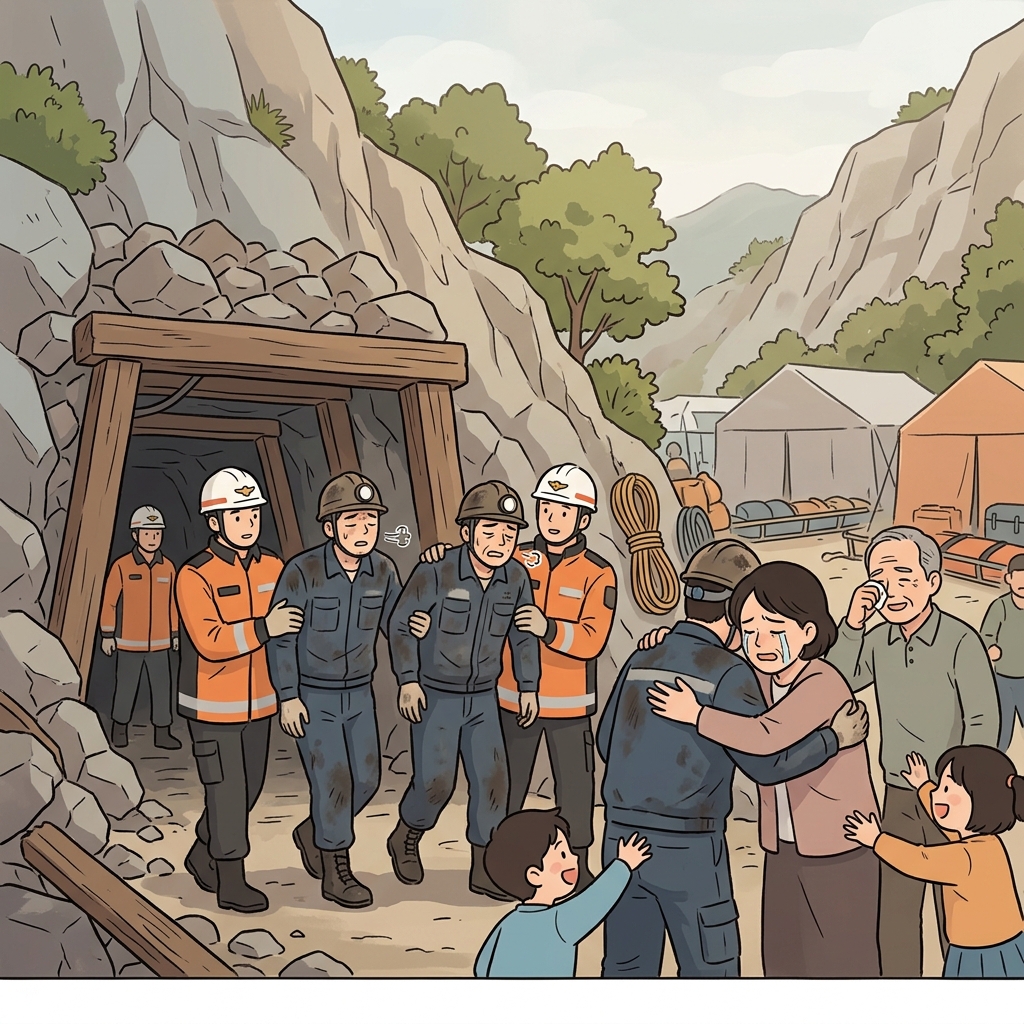
The liberation of the trapped miners brought relief to their families.
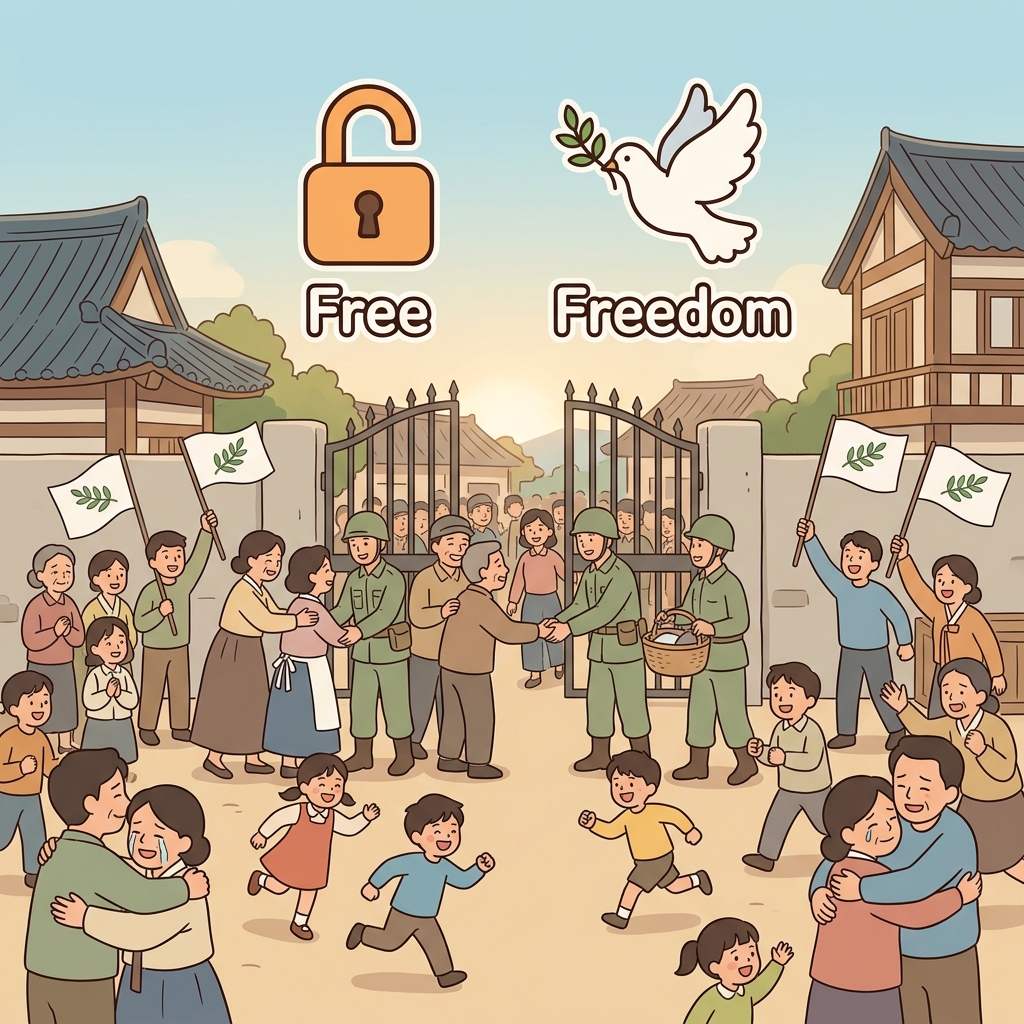
The town celebrated its liberation from enemy control.
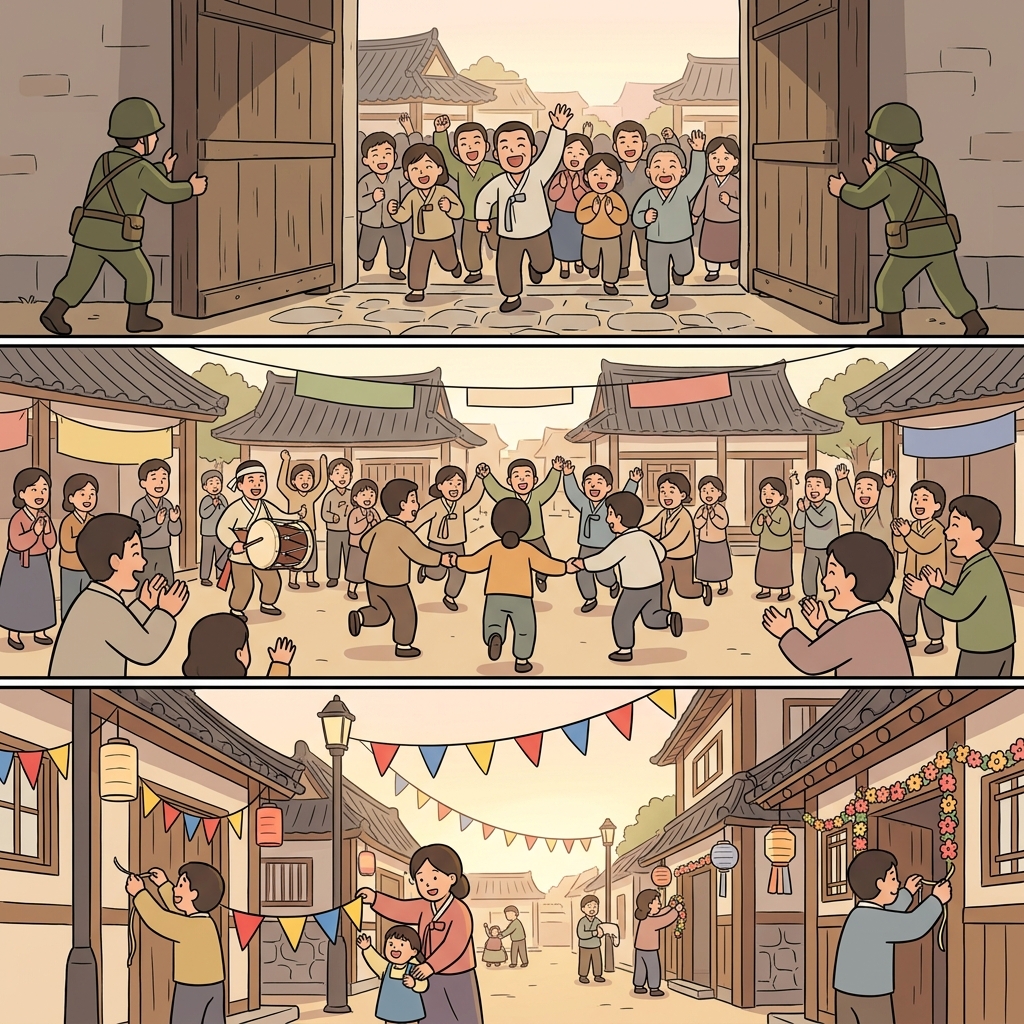
Liberation led to celebration, and soon the streets filled with decoration.
Got the picture? Now let's practice.
🎤Pronunciation
🌳Etymology
Origin
The word derives from Latin liberare, meaning 'to set free' or 'to make free'. This verb stems from liber, the Latin adjective meaning 'free', and refers to the act of releasing someone or something from bondage, constraint, or oppression.
Breakdown
liber- (free) + -ation (act, process, state). The suffix -ation converts the Latin verb liberare into a noun denoting the action or condition of being freed.
🎵Rhyme
🔗Collocations
📝Examples
“The liberation of the city was met with celebrations in the streets.”
“After years of studying, graduation felt like a liberation from textbooks.”
“The liberation of Korea from Japanese rule is celebrated on August 15th.”
“She considered quitting her boring job as a liberation from corporate slavery.”
📚Related Words
Synonyms
Antonyms
Related
Want to master 19,000+ words?
Sign up free for flashcards & quizzes.