immemorial — existing for a very long time; so old that people have no memory of its beginning
Part of speech: ADJECTIVE
Definition: existing for a very long time; so old that people have no memory of its beginning
Pronunciation (IPA): /ˌɪməˈmɔːriəl/
Example Sentences
- My grandmother has been making kimchi since time immemorial - or at least since she was 5 years old!
- The right to use this path has existed from time immemorial.
- Students have been complaining about school food since time immemorial.
immemorial
ADJECTIVE[/ˌɪməˈmɔːriəl/]
existing for a very long time; so old that people have no memory of its beginning
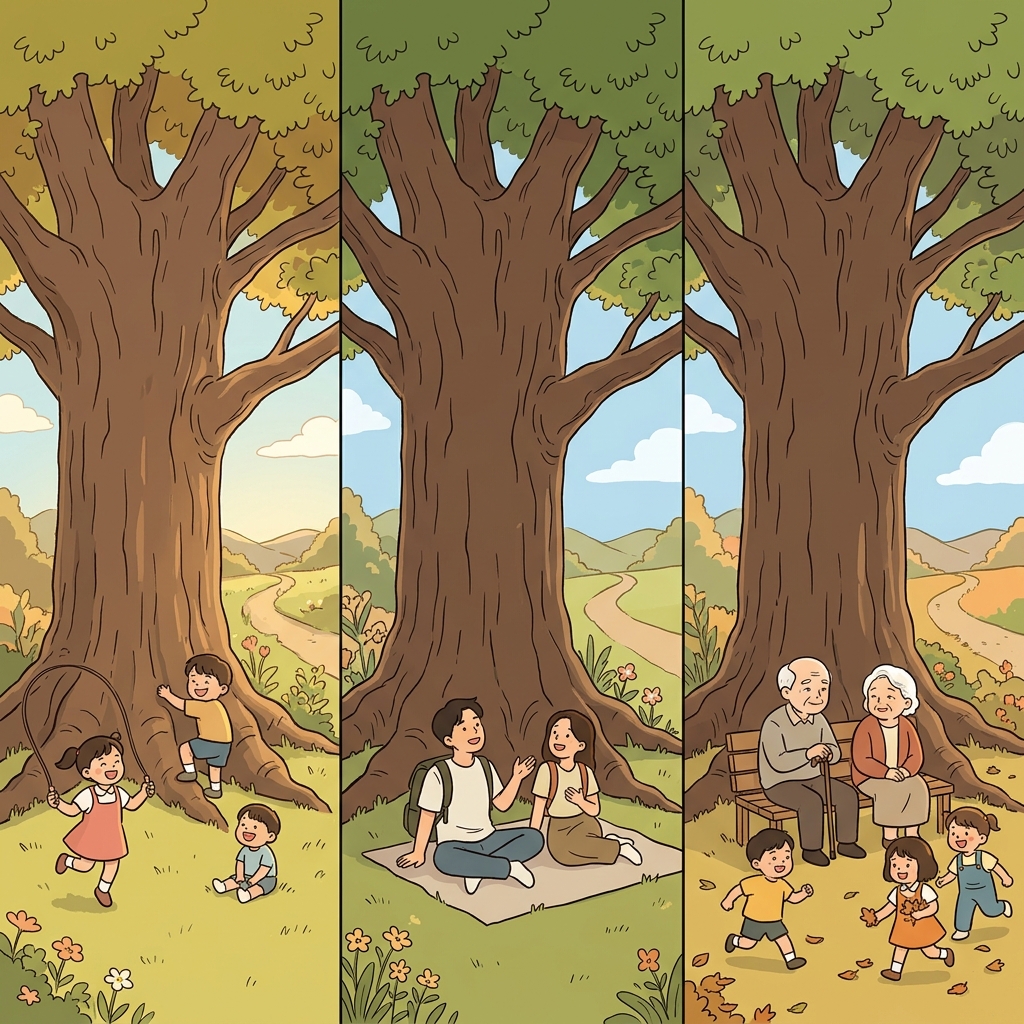
The ancient tree had stood there since immemorial times, watching generations come and go.
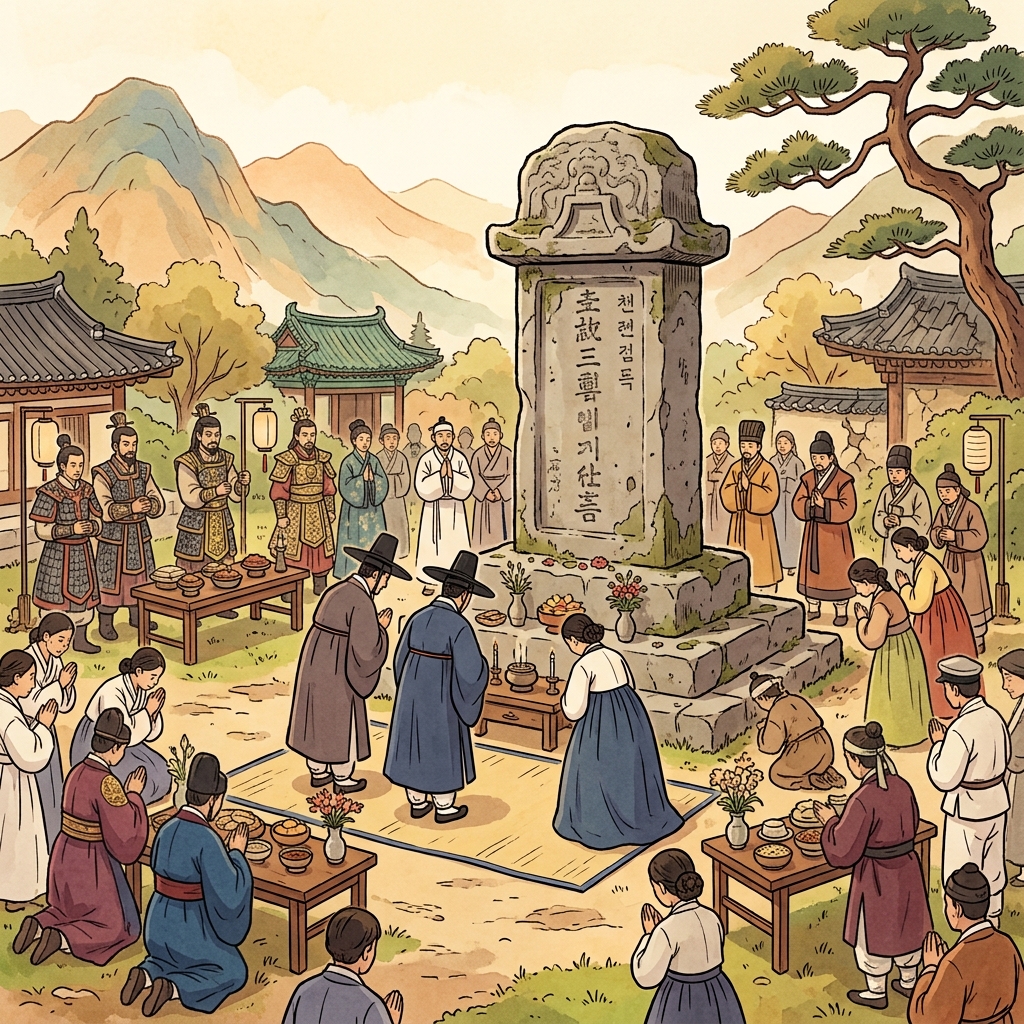
The immemorial monument remained in every memorial ceremony for countless generations. (immemorial → memorial → beyond living memory)
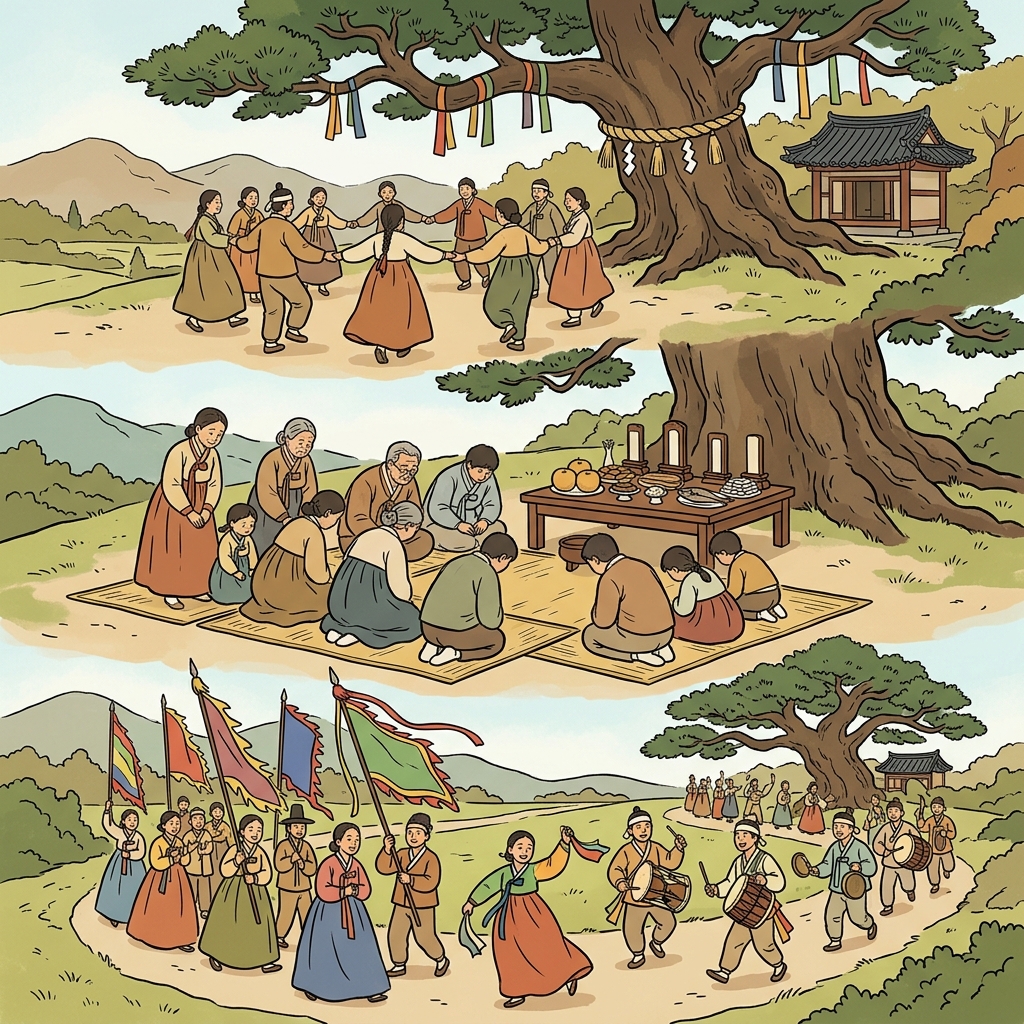
The immemorial tradition inspired a memorial gathering followed by a ceremonial celebration.
Got the picture? Now let's practice.
🎤Pronunciation
🌳Etymology
Origin
From Latin 'immemorials' meaning 'not to be remembered.' It combines the prefix 'im-' (not) with 'memorialis' (relating to memory), derived from 'memoria' (memory).
Breakdown
im- (not) + memor- (memory) + -ial (relating to) = immemorial
🎵Rhyme
🔗Collocations
📝Examples
“My grandmother has been making kimchi since time immemorial - or at least since she was 5 years old!”
“The right to use this path has existed from time immemorial.”
“Students have been complaining about school food since time immemorial.”
“These mountains have stood here from time immemorial.”
📚Related Words
Synonyms
Antonyms
Related
Want to master 19,000+ words?
Sign up free for flashcards & quizzes.