draconian — extremely harsh or severe, especially in laws or rules
Part of speech: ADJECTIVE
Definition: extremely harsh or severe, especially in laws or rules
Pronunciation (IPA): /drəˈkoʊniən/
Example Sentences
- My mom's draconian curfew rule means I have to be home by 9 PM even on weekends!
- The teacher's draconian grading policy deducts 10 points for every minute you're late to class.
- The government imposed draconian lockdown measures during the pandemic.
draconian
ADJECTIVE[/drəˈkoʊniən/]
extremely harsh or severe, especially in laws or rules

According to Plutarch, Draco's laws imposed the death penalty even for stealing vegetables or fruit.

The historian explained how Draco's name became synonymous with excessively harsh laws and punishments. (DRACO (the Athenian lawgiver) + -IAN (relating to) → extremely harsh or severe, like the laws traditionally attributed to Draco.)
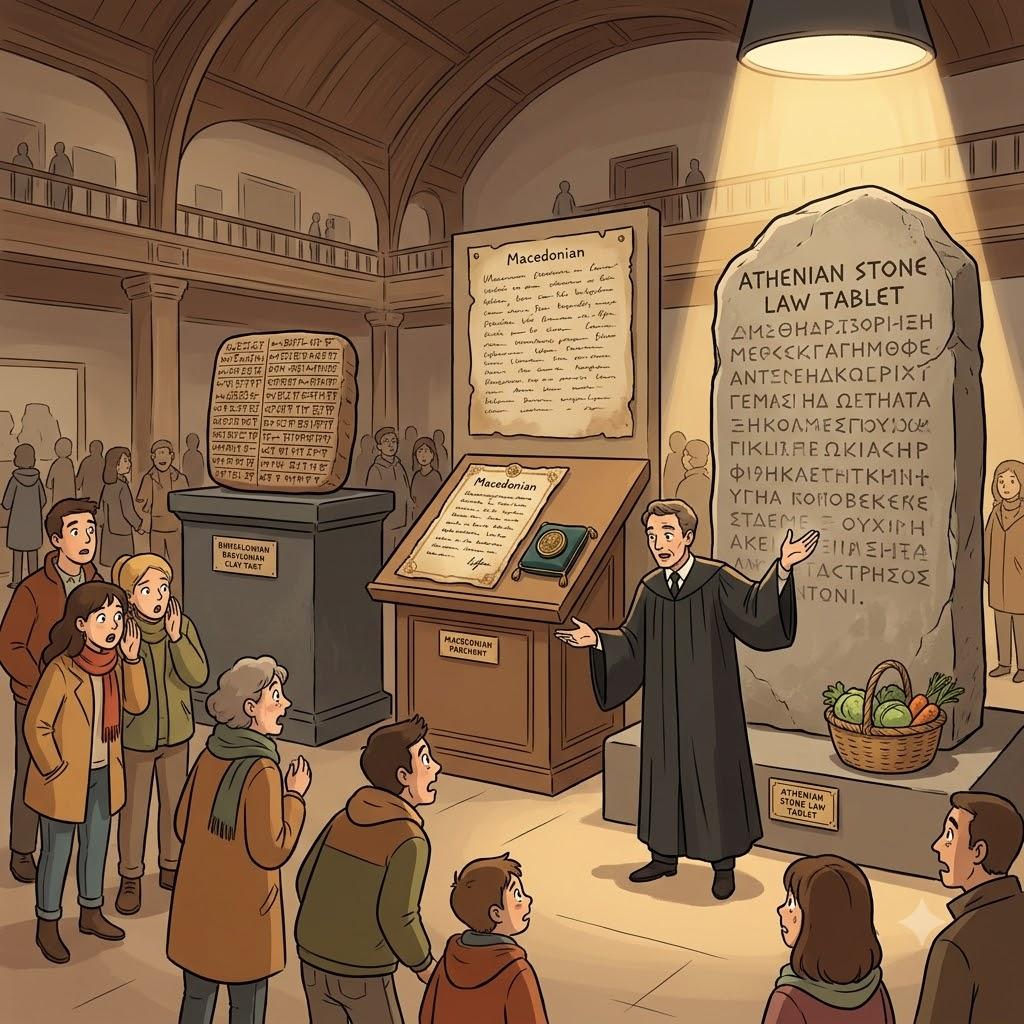
The historian compared Babylonian and Macedonian legal records before explaining why Draco's code became famous for its Draconian punishments.
Got the picture? Now let's practice.
🎤Pronunciation
🌳Etymology
Origin
From Draco, an ancient Greek lawmaker of Athens in the 7th century BC who created extremely harsh laws where even minor crimes like stealing vegetables were punishable by death.
Breakdown
Draco (Greek lawmaker's name) + -ian (relating to/characteristic of) = having the quality of Draco's severe laws
🎵Rhyme
🔗Collocations
📝Examples
“My mom's draconian curfew rule means I have to be home by 9 PM even on weekends!”
“The teacher's draconian grading policy deducts 10 points for every minute you're late to class.”
“The government imposed draconian lockdown measures during the pandemic.”
“The company's draconian budget cuts eliminated the free coffee in the break room - now that's truly harsh!”
📚Related Words
Want to master 17,000+ words?
Sign up free for flashcards & quizzes.