tale — a fictitious or true narrative or story, especially one that is imaginatively recounted
Part of speech: NOUN
Definition: a fictitious or true narrative or story, especially one that is imaginatively recounted
Pronunciation (IPA): /teɪl/
Example Sentences
- Every scar on his face tells a tale of his adventurous youth.
- She spun a tale so ridiculous that even her cat looked skeptical.
- The old sailor's tale about the sea monster turned out to be surprisingly true.
tale
NOUN[/teɪl/]
a fictitious or true narrative or story, especially one that is imaginatively recounted
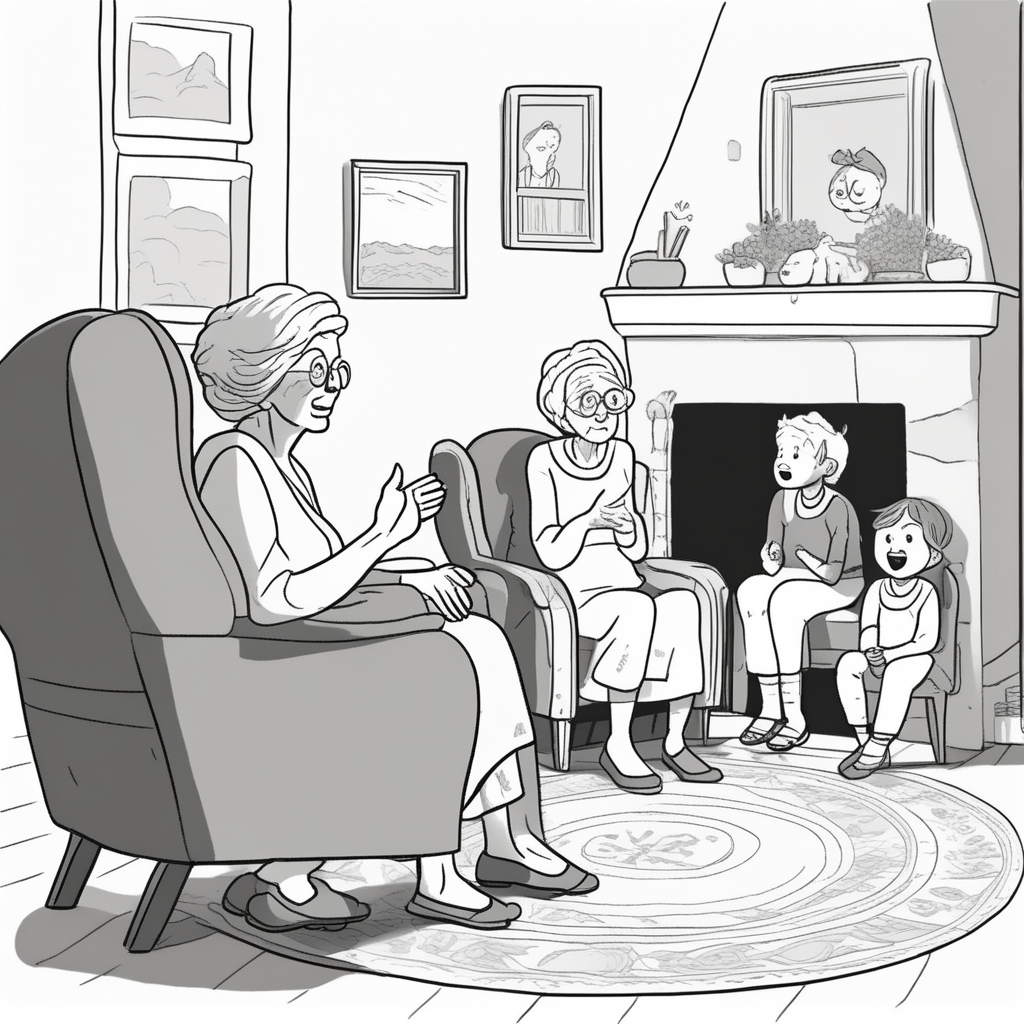
Grandmother telling an exciting tale

Fix the sail with every nail, while sharing an epic tale!
Got the picture? Now let's practice.
🎤Pronunciation
🌳Etymology
Origin
The word derives from Old English 'talu', originally meaning 'to tell' or 'to count'. It comes from Proto-Germanic roots shared across the Germanic language family, evolving from the act of 'telling' something to someone into the noun meaning 'a narrative or story'.
Breakdown
talu (to tell, to count) → tale (narrative, story). The word developed from a verb denoting the act of speaking or recounting into a noun referring to the content being told.
🎵Rhyme
🔗Collocations
📝Examples
“Every scar on his face tells a tale of his adventurous youth.”
“She spun a tale so ridiculous that even her cat looked skeptical.”
“The old sailor's tale about the sea monster turned out to be surprisingly true.”
“His excuse was such a tall tale that nobody believed he was actually abducted by aliens.”
📚Related Words
Synonyms
Antonyms
Related
Want to master 19,000+ words?
Sign up free for flashcards & quizzes.