gaunt — extremely thin and bony, especially because of hunger, age, or illness
Part of speech: ADJECTIVE
Definition: extremely thin and bony, especially because of hunger, age, or illness
Pronunciation (IPA): /ɡɔːnt/
Example Sentences
- The vampire looked gaunt after forgetting to eat for a century.
- Her gaunt appearance worried her family members.
- The scarecrow's gaunt frame scared away both crows and dieters.
gaunt
ADJECTIVE[/ɡɔːnt/]
extremely thin and bony, especially because of hunger, age, or illness

After weeks lost at sea, the sailor looked gaunt and hollow-eyed.
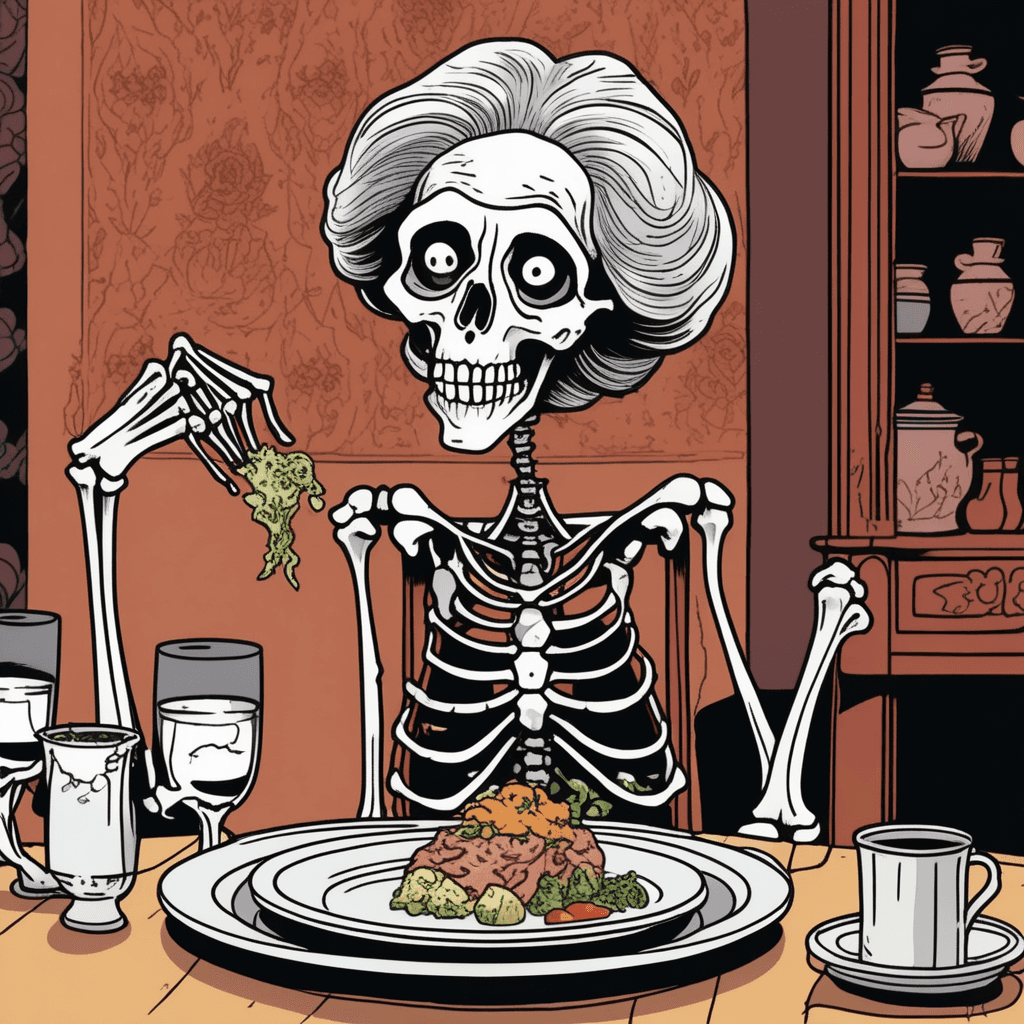
GA! Aunt is bone-thin and starving - absolutely gaunt!

The gaunt ghost can no longer flaunt, but still chooses to haunt
Got the picture? Now let's practice.
🎤Pronunciation
🌳Etymology
Origin
From Middle English and Old Norse origin, possibly related to Old Norse 'gantr' meaning thin or slender, though the exact etymology is uncertain. The word entered English around the 15th century.
Breakdown
Single morpheme word with no clear productive breakdown in modern English; the root 'gaunt-' is not decomposable into smaller meaningful units, making it a simple rather than complex word.
🎵Rhyme
📝Examples
“The vampire looked gaunt after forgetting to eat for a century.”
“Her gaunt appearance worried her family members.”
“The scarecrow's gaunt frame scared away both crows and dieters.”
“After the long winter, the survivors emerged gaunt but alive.”
📚Related Words
Want to master 27,000+ words?
Sign up free for flashcards & quizzes.