illusionary — based on or having the nature of an illusion; not real or true
Part of speech: ADJECTIVE
Definition: based on or having the nature of an illusion; not real or true
Pronunciation (IPA): /ɪˈluːʒəˌneri/
Example Sentences
- The student's belief that he could pass the exam without studying was completely illusionary.
- My cat's illusionary confidence that it can catch the red laser dot is quite entertaining.
- The politician's promises of overnight change proved to be illusionary.
illusionary
ADJECTIVE[/ɪˈluːʒəˌneri/]
based on or having the nature of an illusion; not real or true
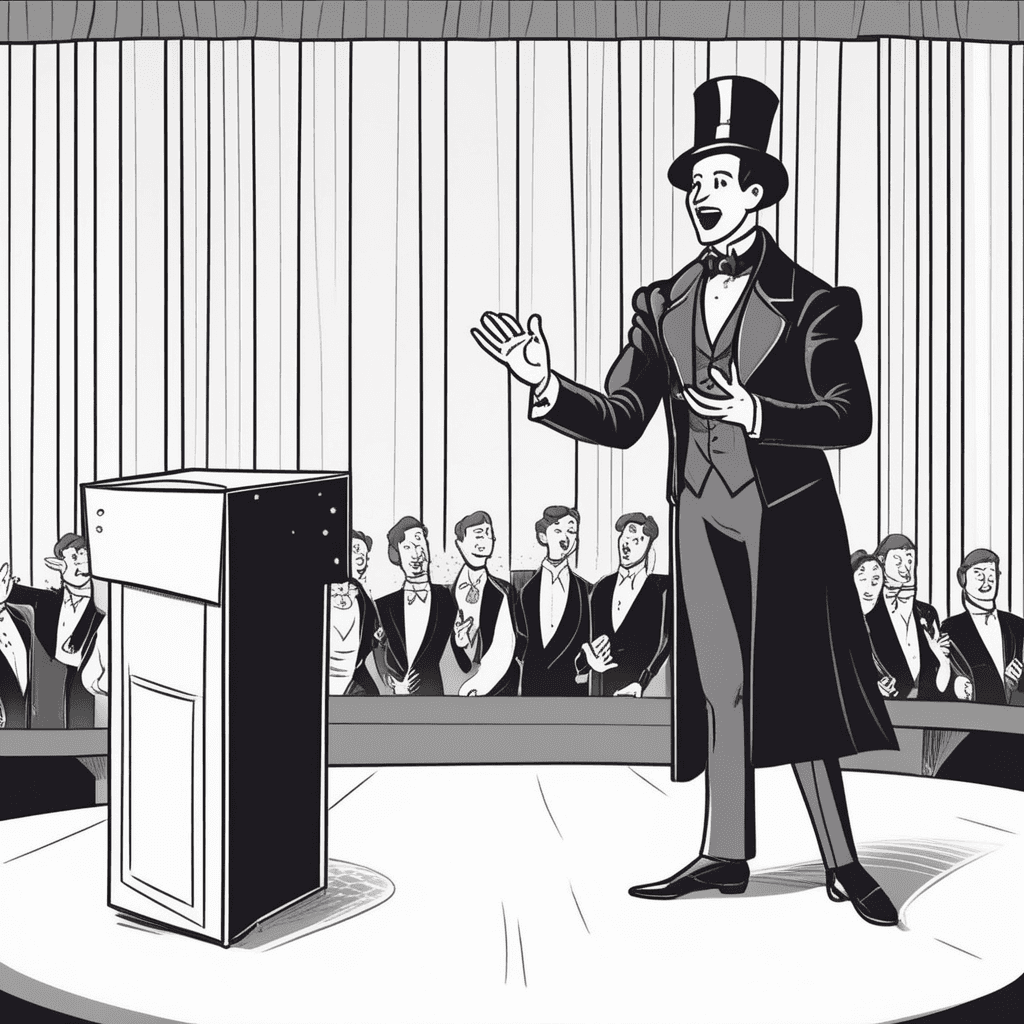
Magic trick gone obviously wrong

The missionary's promise was illusionary, but the visionary's path was real
Got the picture? Now let's practice.
🎤Pronunciation
🌳Etymology
Origin
Derived from Latin 'illusio', meaning deception or mockery, the term evolved to describe the quality of causing one to perceive something unreal as true. The word entered English through Old French and developed its modern sense of relating to illusions or false perceptions.
Breakdown
illusion (a false perception or deceptive appearance, from Latin illudere meaning to mock or deceive) + -ary (adjective-forming suffix meaning of the nature of or characterized by).
🎵Rhyme
🔗Collocations
📝Examples
“The student's belief that he could pass the exam without studying was completely illusionary.”
“My cat's illusionary confidence that it can catch the red laser dot is quite entertaining.”
“The politician's promises of overnight change proved to be illusionary.”
“His illusionary belief that he looks good in skinny jeans was shattered when he saw the photos.”
📚Related Words
Want to master 27,000+ words?
Sign up free for flashcards & quizzes.