abandoned — left behind or deserted, especially by the owner or guardian
Part of speech: ADJECTIVE
Definition: left behind or deserted, especially by the owner or guardian
Pronunciation (IPA): /əˈbændənd/
Example Sentences
- The abandoned pizza slice in the fridge grew its own civilization of mold.
- She felt like an abandoned shopping cart in an empty parking lot.
- The abandoned factory has become a popular location for urban exploration.
abandoned
ADJECTIVE[/əˈbændənd/]
left behind or deserted, especially by the owner or guardian

An abandoned teddy bear sits forgotten in a dusty, empty room
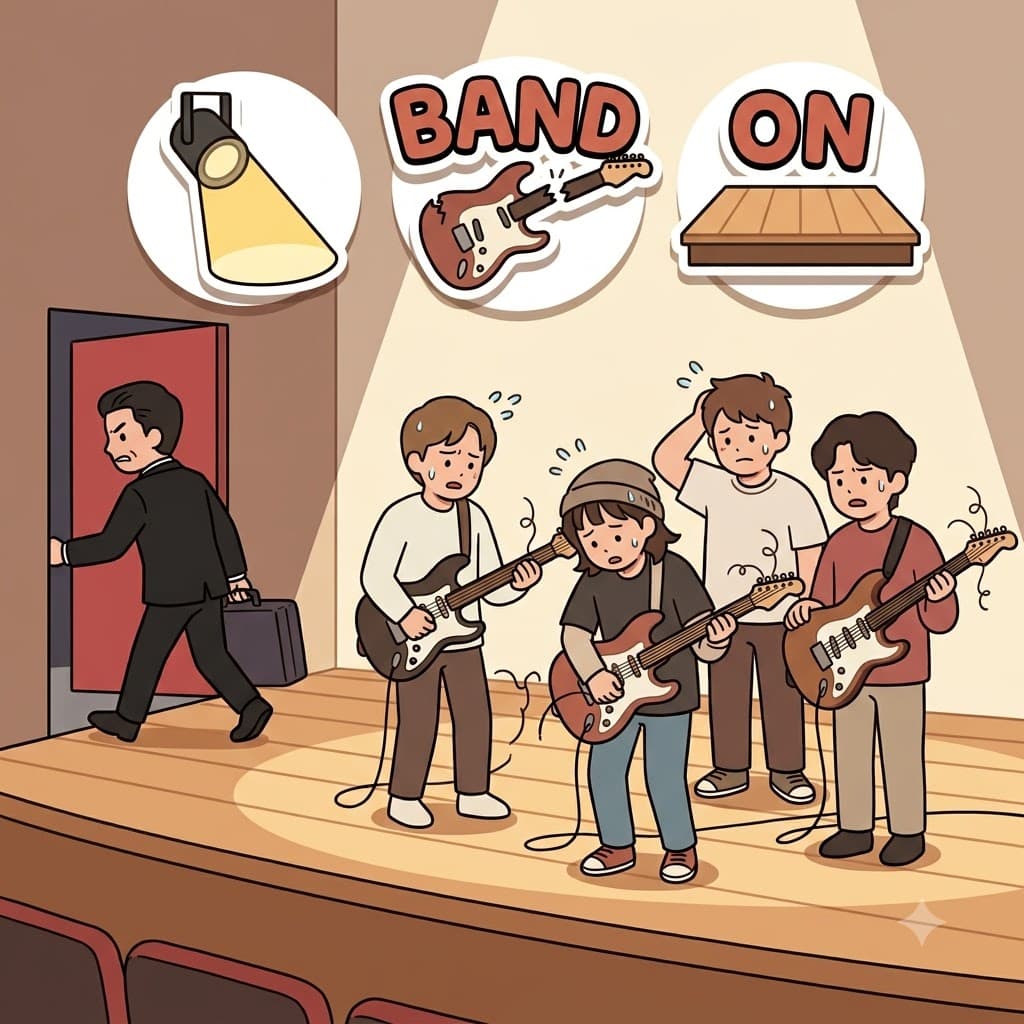
A(one) + BAND(music group) + ON(stage) — the abandoned band stood alone on the empty stage.
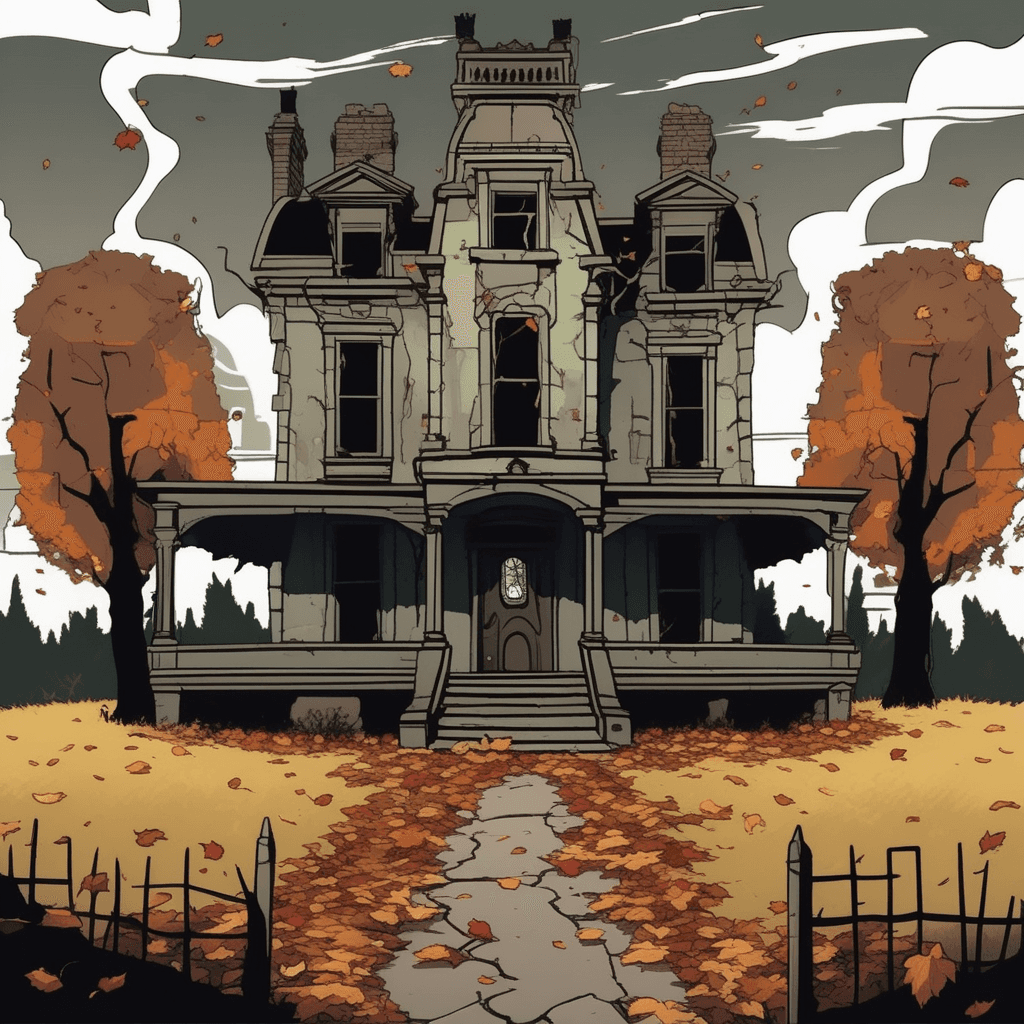
The abandoned house stranded in time, once branded with love, now handed back to solitude and decay
Got the picture? Now let's practice.
🎤Pronunciation
🌳Etymology
Origin
From Old French 'abandoner,' meaning to relinquish or give up control. The prefix 'a-' means 'to' combined with 'ban' (meaning control or authority), so the word literally meant to place under someone else's control, eventually coming to mean to desert or leave behind.
Breakdown
a- (to) + ban (authority/control) + -don (give/put) + -ed (past participle) = abandoned
🎵Rhyme
🔗Collocations
📝Examples
“The abandoned pizza slice in the fridge grew its own civilization of mold.”
“She felt like an abandoned shopping cart in an empty parking lot.”
“The abandoned factory has become a popular location for urban exploration.”
“My abandoned New Year's resolutions are probably wondering where I went.”
“The abandoned mine posed serious safety risks to the community.”
📚Related Words
Want to master 27,000+ words?
Sign up free for flashcards & quizzes.