unbind — to untie or unfasten something that has been bound
Part of speech: VERB
Definition: to untie or unfasten something that has been bound
Pronunciation (IPA): /ʌnˈbaɪnd/
Example Sentences
- The magician dramatically unbound himself from the chains in front of amazed audience.
- After the yoga class, she felt completely unbound from all her daily stress.
- The librarian carefully unbound the ancient manuscript to digitize each page.
unbind
VERB[/ʌnˈbaɪnd/]
to untie or unfasten something that has been bound
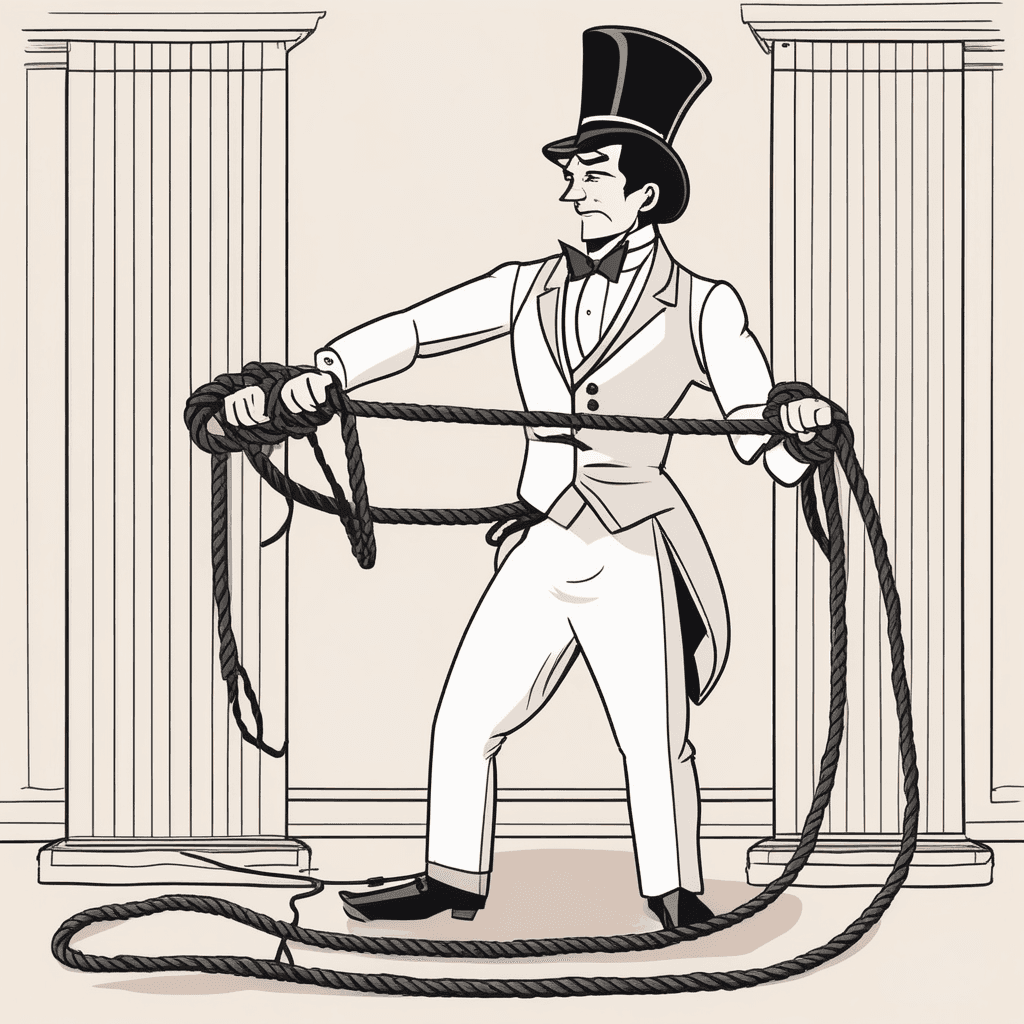
Untying the binding ropes
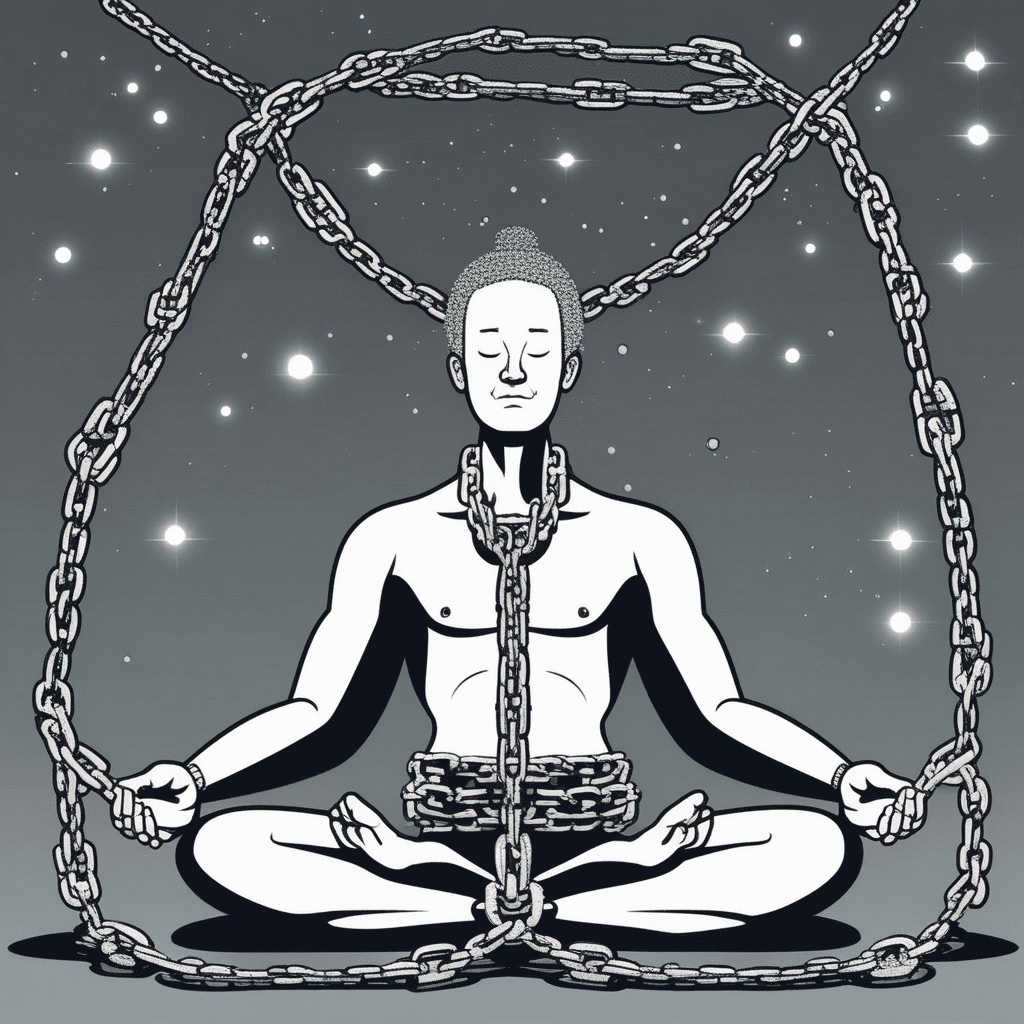
Focus your mind to unbind what you'll find
Got the picture? Now let's practice.
🎤Pronunciation
🌳Etymology
Origin
The word derives from Old English 'unbindan', a compound of the prefix 'un-' (meaning 'reverse' or 'opposite') and the verb 'bindan' (meaning 'to bind' or 'to tie'). This formation reflects the Germanic practice of using 'un-' to create antonyms and reversive verbs.
Breakdown
un- (reverse, opposite) + bind (to tie or fasten). The prefix 'un-' negates or reverses the action of binding, creating a verb meaning 'to release from bonds or restraints'.
🎵Rhyme
🔗Collocations
📝Examples
“The magician dramatically unbound himself from the chains in front of amazed audience.”
“After the yoga class, she felt completely unbound from all her daily stress.”
“The librarian carefully unbound the ancient manuscript to digitize each page.”
“His grandmother's secret recipe finally unbound him from ordering takeout every night.”
📚Related Words
Want to master 17,000+ words?
Sign up free for flashcards & quizzes.