leaves — plural form of leaf; the flat green parts of plants
Part of speech: NOUN
Definition: plural form of leaf; the flat green parts of plants
Pronunciation (IPA): /liːvz/
Example Sentences
- My lazy cat always leaves paw prints on the car, but never leaves any mice as gifts.
- The employee leaves the office at 6 PM sharp every day.
- When autumn comes, trees lose their leaves faster than I lose my car keys.
leaves
NOUN[/liːvz/]
plural form of leaf; the flat green parts of plants
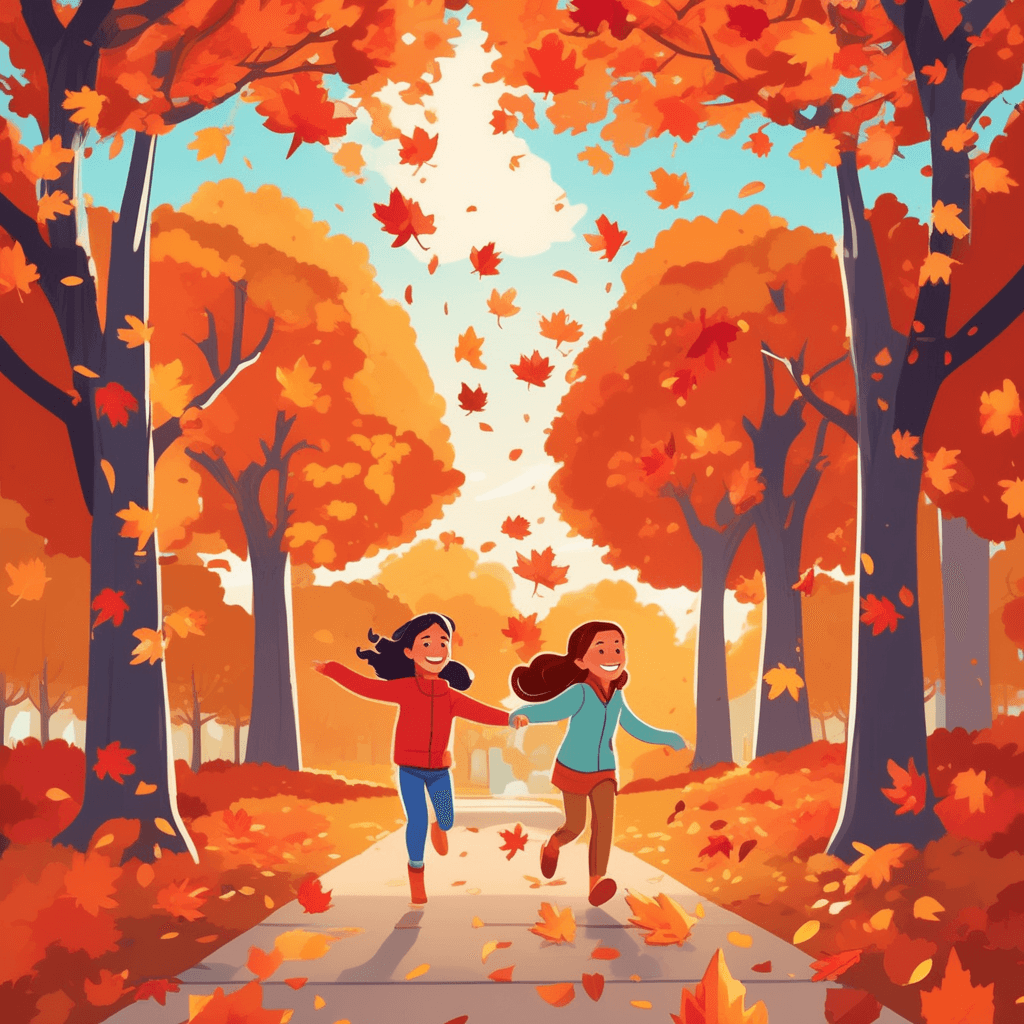
a young girl reaches up trying to catch bright red and orange leaves as they drift down from the tree branches above. Her friend jumps excitedly beside her, arms outstretched toward the falling foliage. The autumn wind causes dozens of colorful leaves to detach from the trees and spiral downward. More leaves continue falling like natural confetti all around the children. Other park visitors in the background smile as they watch the leaf-catching game unfold. Parents nearby rake up piles of fallen leaves that have already accumulated on the ground. the flat green and colorful parts of plants that have fallen from trees
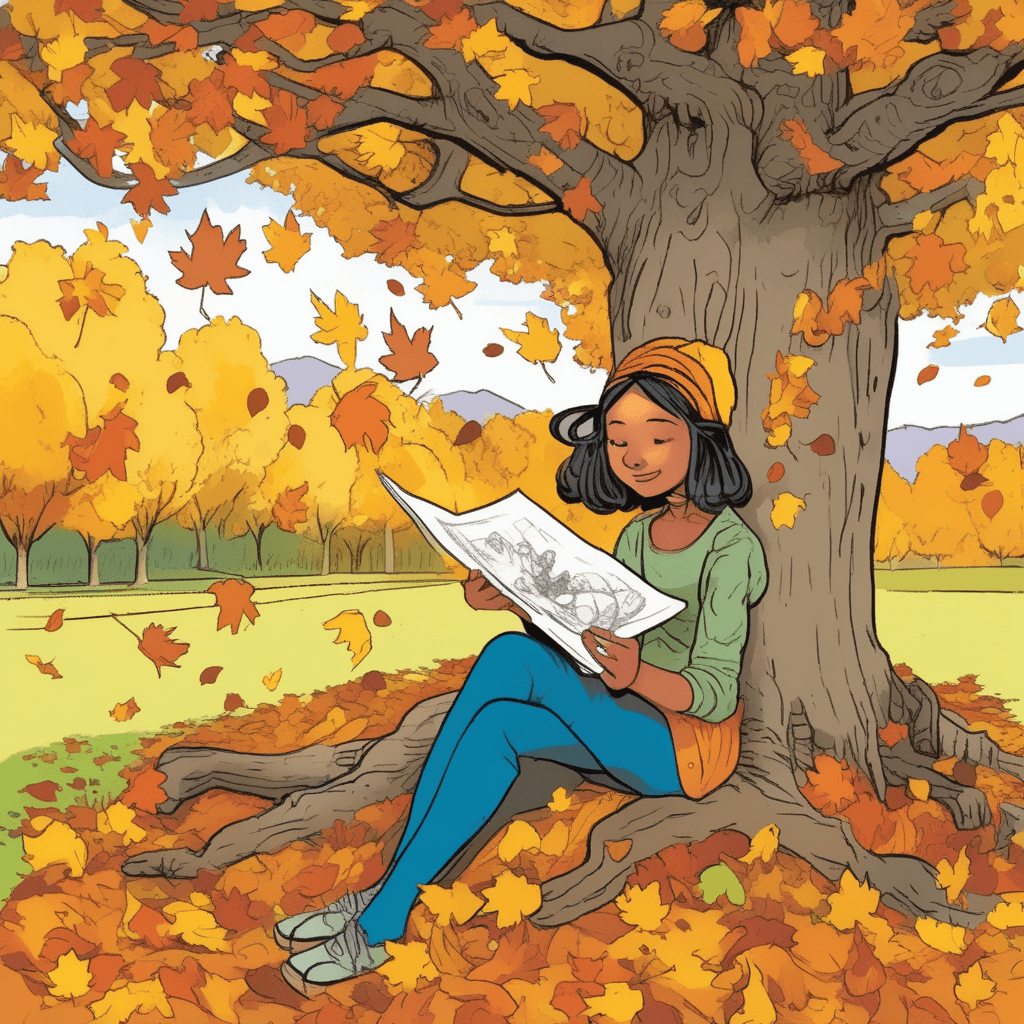
As leaves fall down, she believes and achieves!
Got the picture? Now let's practice.
🎤Pronunciation
🌳Etymology
Origin
The word derives from Old English 'læf', which has Germanic roots. The noun originally referred to the foliage of plants, and the verb sense of 'to depart' developed metaphorically from the image of leaves falling from trees in the wind.
Breakdown
Old English 'læf' (leaf) + plural suffix '-es' (later '-ves' in Modern English). The root 'læf' is cognate with Germanic languages and ultimately traces to Proto-Germanic 'laubaz' (foliage, leaves).
🎵Rhyme
🔗Collocations
📝Examples
“My lazy cat always leaves paw prints on the car, but never leaves any mice as gifts.”
“The employee leaves the office at 6 PM sharp every day.”
“When autumn comes, trees lose their leaves faster than I lose my car keys.”
“She always leaves detailed notes for her replacement.”
📚Related Words
Want to master 27,000+ words?
Sign up free for flashcards & quizzes.