sleep — a naturally recurring state of mind and body, characterized by altered consciousness, relatively inhibited sensory activity, inhibition of nearly all voluntary muscles
Part of speech: NOUN
Definition: a naturally recurring state of mind and body, characterized by altered consciousness, relatively inhibited sensory activity, inhibition of nearly all voluntary muscles
Pronunciation (IPA): /sliːp/
Example Sentences
- My cat can sleep 16 hours a day and still look tired.
- I can't sleep when there's a mosquito in the room.
- She talks in her sleep and gives away all her secrets.
sleep
NOUN[/sliːp/]
a naturally recurring state of mind and body, characterized by altered consciousness, relatively inhibited sensory activity, inhibition of nearly all voluntary muscles
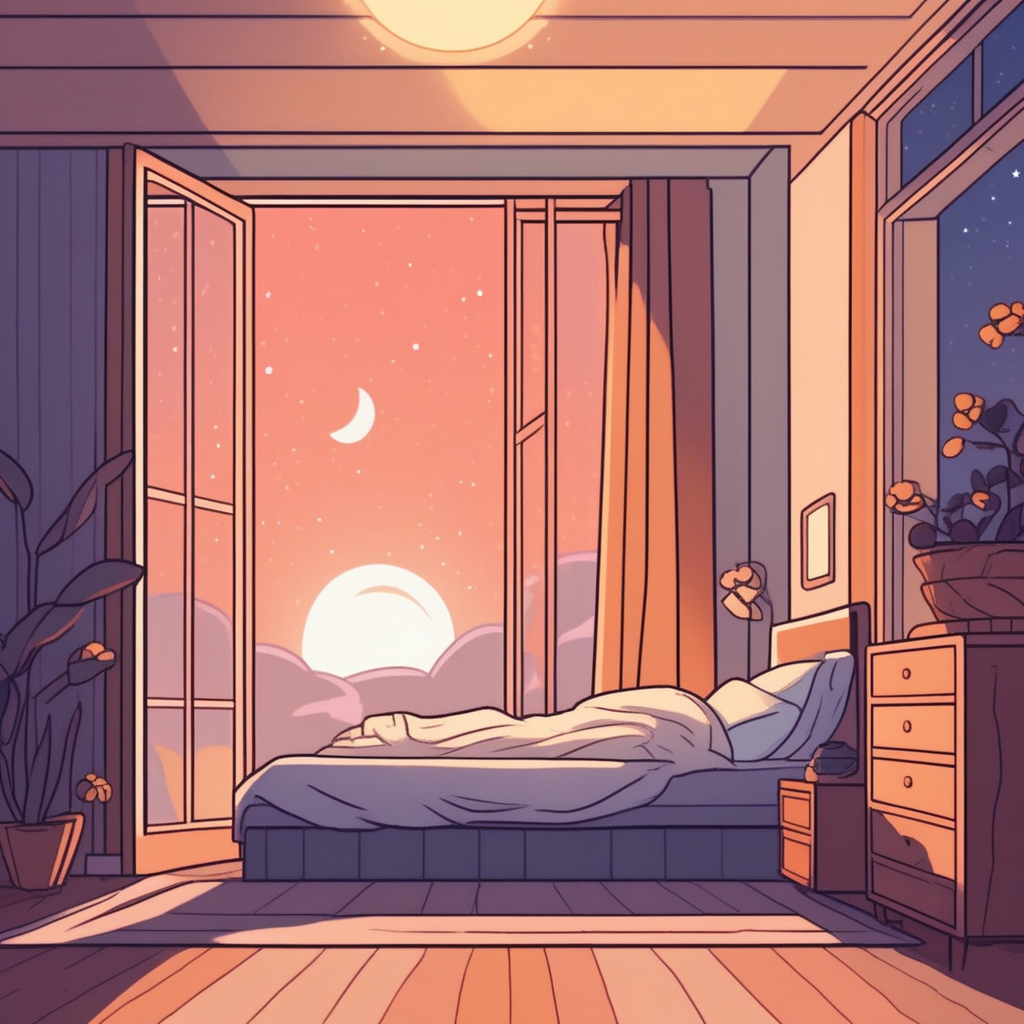
A person enjoys peaceful sleep in their comfortable bedroom
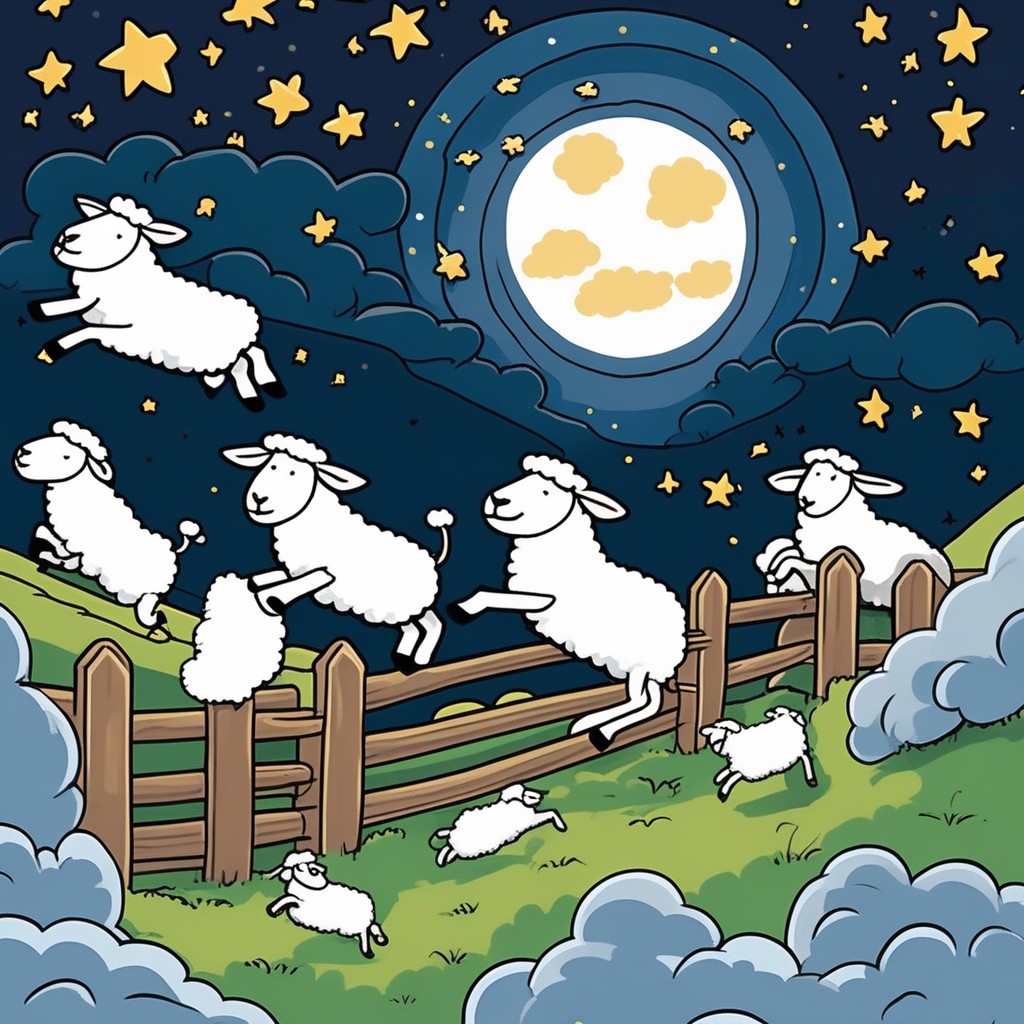
Count the sheep, then sleep deep
Got the picture? Now let's practice.
🎤Pronunciation
🌳Etymology
Origin
Sleep derives from Old English 'slǣp', which originates from the common ancestor of Germanic languages. The word refers to the natural state of rest, a concept so fundamental to human experience that similar forms exist across most Indo-European languages.
Breakdown
The word evolved directly from Old English 'slǣp' to Modern English 'sleep', with the Old English long vowel 'ǣ' shortening to the modern short 'e' through regular sound changes in English phonology.
🎵Rhyme
🔗Collocations
📝Examples
“My cat can sleep 16 hours a day and still look tired.”
“I can't sleep when there's a mosquito in the room.”
“She talks in her sleep and gives away all her secrets.”
“Students often sleep with their textbooks, hoping to absorb knowledge.”
📚Related Words
Synonyms
Antonyms
Related
Want to master 19,000+ words?
Sign up free for flashcards & quizzes.