hesitant — slow to act or speak because you are uncertain or nervous
Part of speech: ADJECTIVE
Definition: slow to act or speak because you are uncertain or nervous
Pronunciation (IPA): /ˈhezɪtənt/
Example Sentences
- The cat was hesitant to try the new expensive cat food, preferring its usual cheap kibble.
- I'm hesitant to trust a dentist who has a candy bar in his pocket.
- She was hesitant about moving to a new city without knowing anyone there.
hesitant
ADJECTIVE[/ˈhezɪtənt/]
slow to act or speak because you are uncertain or nervous

He looked hesitant before stepping onto the stage.
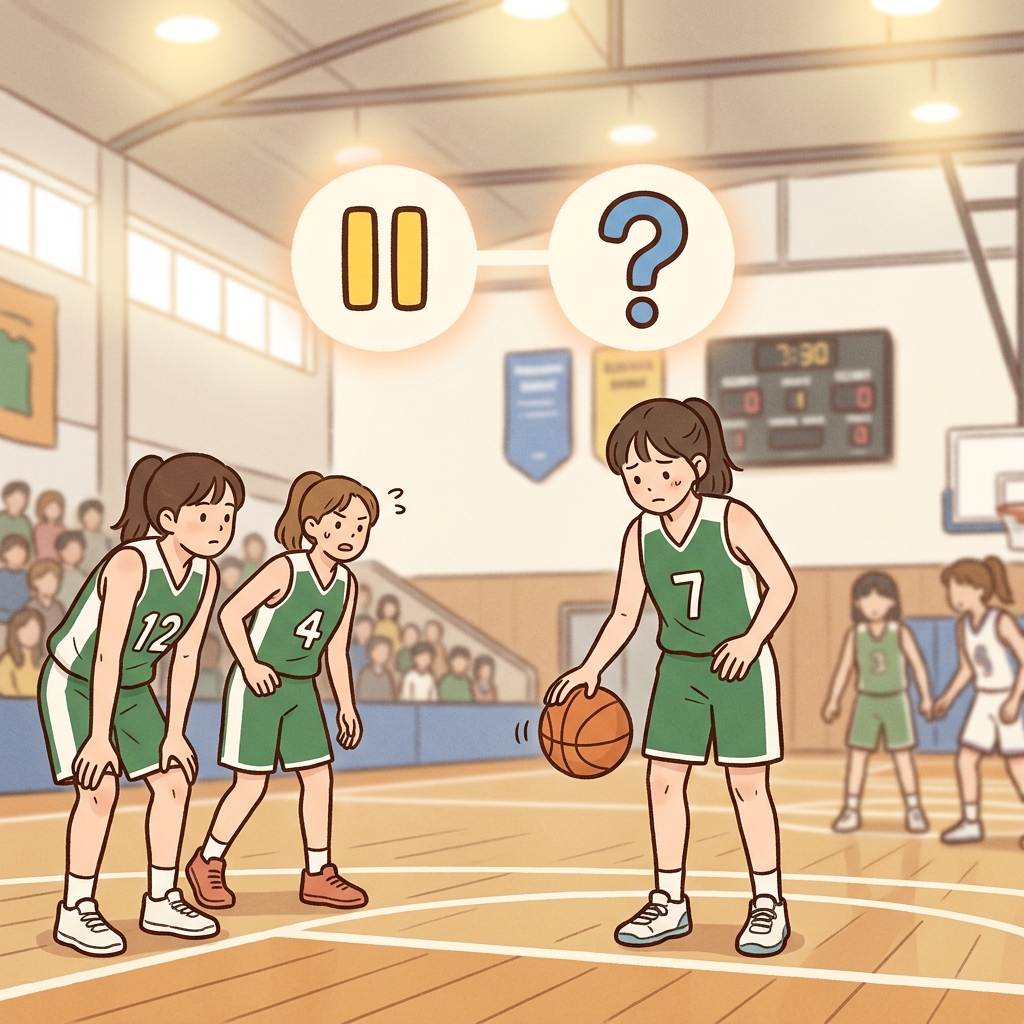
The hesitant player waited before making the final decision. (HOLD + UNCERTAIN = HESITANT → hesitant means holding back because of uncertainty)

From hesitant and reluctant to bridging the distant gap!
Got the picture? Now let's practice.
🎤Pronunciation
🌳Etymology
Origin
From Latin 'haesitans,' the present participle of 'haesitare,' meaning to stick or hold back. The Latin root is related to 'haerere' (to stick or adhere), which gave the word its sense of being stuck or unable to proceed.
Breakdown
haesit- (stick, hold back) + -ant (adjective suffix meaning 'being in a state of') = hesitant (being in a state of holding back or uncertainty)
🎵Rhyme
🔗Collocations
📝Examples
“The cat was hesitant to try the new expensive cat food, preferring its usual cheap kibble.”
“I'm hesitant to trust a dentist who has a candy bar in his pocket.”
“She was hesitant about moving to a new city without knowing anyone there.”
“The students were hesitant to ask questions during the intimidating professor's lecture.”
📚Related Words
Synonyms
Antonyms
Related
Want to master 19,000+ words?
Sign up free for flashcards & quizzes.