envisage — to imagine or expect that something will happen in the future
Part of speech: VERB
Definition: to imagine or expect that something will happen in the future
Pronunciation (IPA): /ɪnˈvɪzɪdʒ/
Example Sentences
- I can't envisage my boss ever giving us a day off - he'd probably make us work on Christmas!
- The architect envisaged a building that would blend seamlessly with the natural landscape.
- She envisaged herself winning the lottery and buying a private island for her 50 cats.
envisage
VERB[/ɪnˈvɪzɪdʒ/]
to imagine or expect that something will happen in the future

to imagine or expect that something will happen in the future
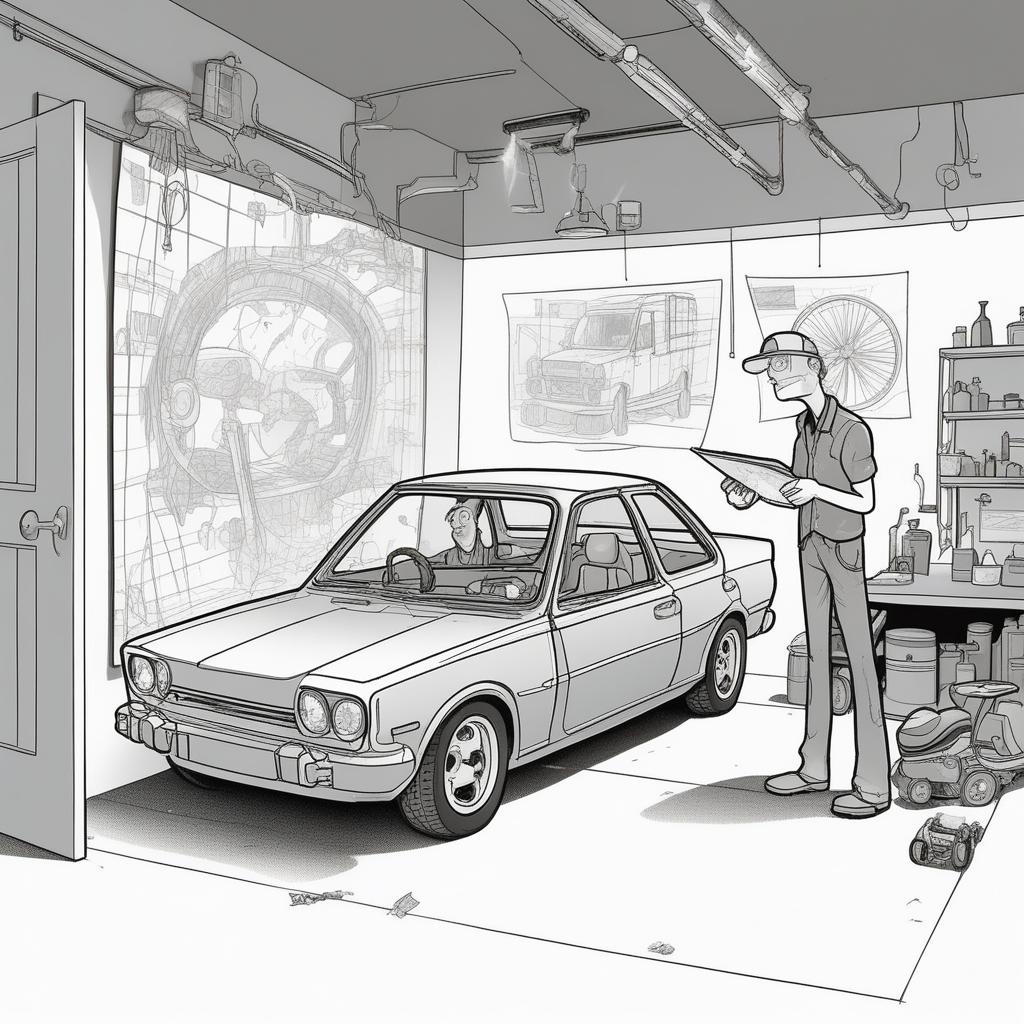
In the garage, I envisage my mirage!
Got the picture? Now let's practice.
🎤Pronunciation
🌳Etymology
Origin
The word derives from French 'envisager', which combines 'en' (towards) and 'visage' (face). The original sense was 'to face' or 'to look in the face of', which evolved metaphorically to mean 'to contemplate' or 'to imagine a future outcome', as if gazing upon something ahead.
Breakdown
en- (towards, in front of) + visage (face, from Latin visus meaning 'seen' or 'appearance'). The construction literally means 'to face toward' but evolved to convey the sense of imaginatively perceiving or considering something.
🎵Rhyme
🔗Collocations
📝Examples
“I can't envisage my boss ever giving us a day off - he'd probably make us work on Christmas!”
“The architect envisaged a building that would blend seamlessly with the natural landscape.”
“She envisaged herself winning the lottery and buying a private island for her 50 cats.”
“The company envisages expanding into Asian markets within the next five years.”
📚Related Words
Synonyms
Antonyms
Related
Want to master 19,000+ words?
Sign up free for flashcards & quizzes.