simulate — to create conditions or situations that are similar to real ones, especially for testing or training purposes
Part of speech: VERB
Definition: to create conditions or situations that are similar to real ones, especially for testing or training purposes
Pronunciation (IPA): /ˈsɪmjəˌleɪt/
Example Sentences
- My little brother tries to simulate being sick every Monday morning to skip school.
- Scientists simulate earthquake conditions to test building safety.
- The video game perfectly simulates driving a race car at 200 mph.
simulate
VERB[/ˈsɪmjəˌleɪt/]
to create conditions or situations that are similar to real ones, especially for testing or training purposes

The pilots simulated an engine failure before facing the real emergency in the sky.
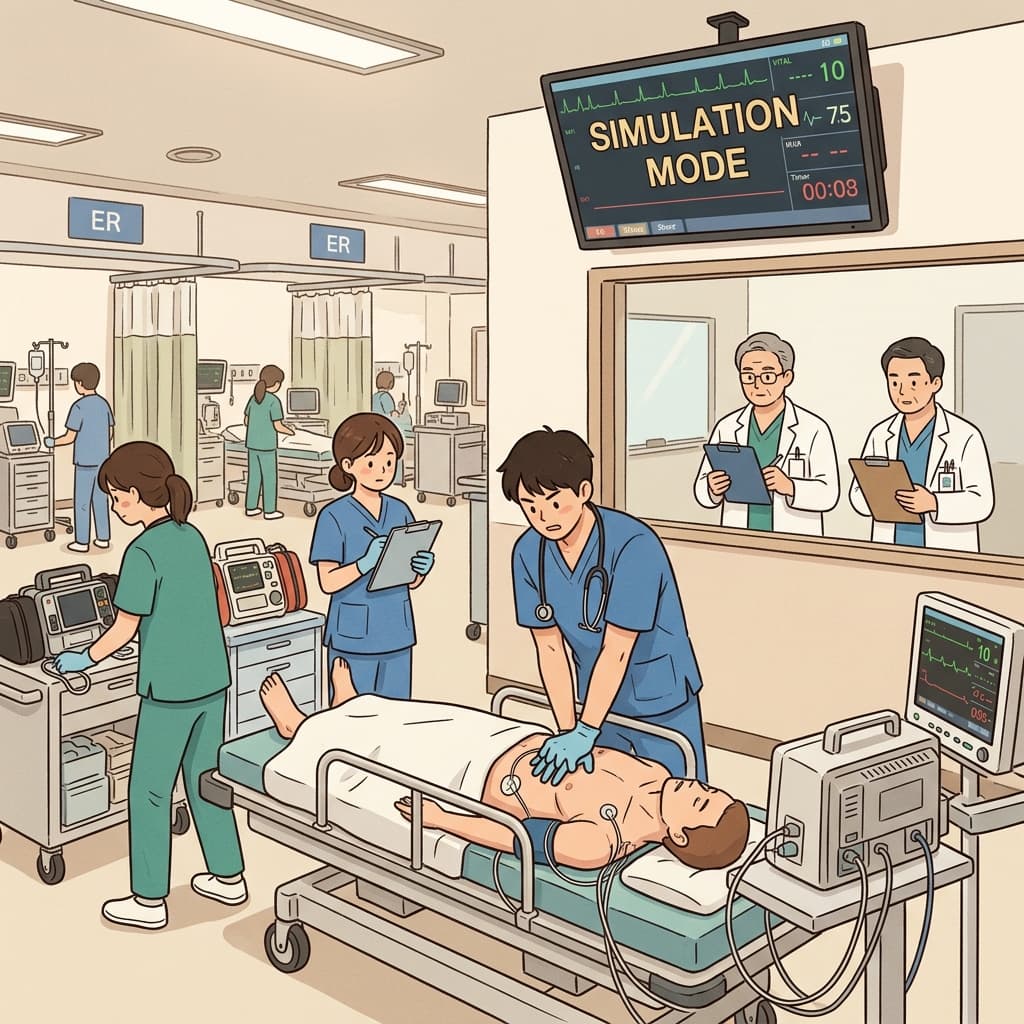
The simulator created the same disaster scenario repeatedly — long before the real crisis arrived later. (sim·u·late → SAME + LATE)

They simulated the storm, calculated every risk, and navigated the ship safely through the night.
Got the picture? Now let's practice.
🎤Pronunciation
🌳Etymology
Origin
From Latin 'simulatus', the past participle of 'simulare', meaning 'to make like' or 'to imitate'. The root 'simul-' means 'like' or 'same', and the suffix '-ate' forms a verb meaning 'to cause to be'.
Breakdown
simul- (like, same) + -ate (verb suffix meaning 'to cause') = simulate (to make similar or imitate)
🎵Rhyme
🔗Collocations
📝Examples
“My little brother tries to simulate being sick every Monday morning to skip school.”
“Scientists simulate earthquake conditions to test building safety.”
“The video game perfectly simulates driving a race car at 200 mph.”
“He tried to simulate confidence during the job interview, but his hands were shaking.”
📚Related Words
Want to master 27,000+ words?
Sign up free for flashcards & quizzes.