amoral — having no moral standards, constraints, or principles; unaware of or indifferent to questions of right or wrong
Part of speech: ADJECTIVE
Definition: having no moral standards, constraints, or principles; unaware of or indifferent to questions of right or wrong
Pronunciation (IPA): /eɪˈmɔːrəl/
Example Sentences
- The tornado was completely amoral - it destroyed both the villain's hideout and the orphanage with equal indifference.
- Scientists strive to maintain an amoral perspective when conducting research.
- His amoral attitude toward business made him successful but friendless.
amoral
ADJECTIVE[/eɪˈmɔːrəl/]
having no moral standards, constraints, or principles; unaware of or indifferent to questions of right or wrong
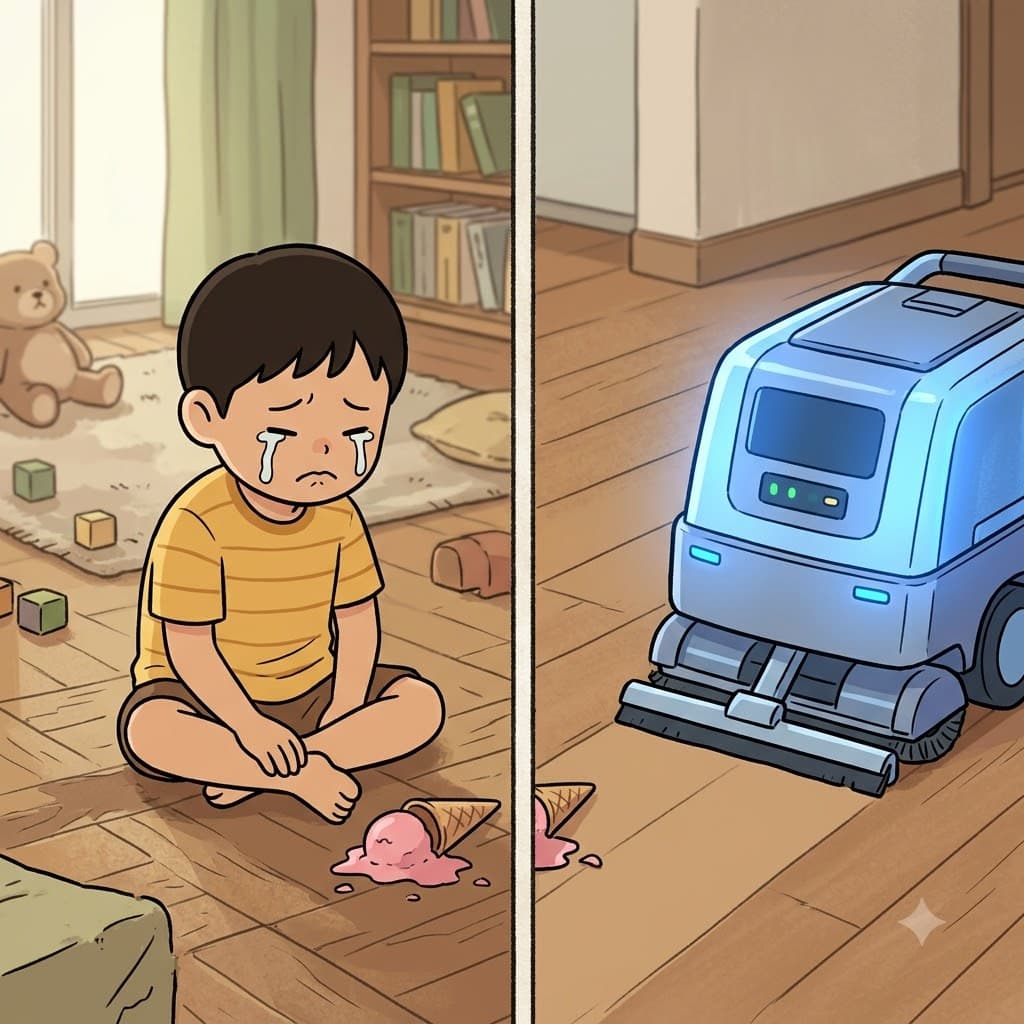
The cleaning robot ignored the crying child, operating strictly on an amoral program.
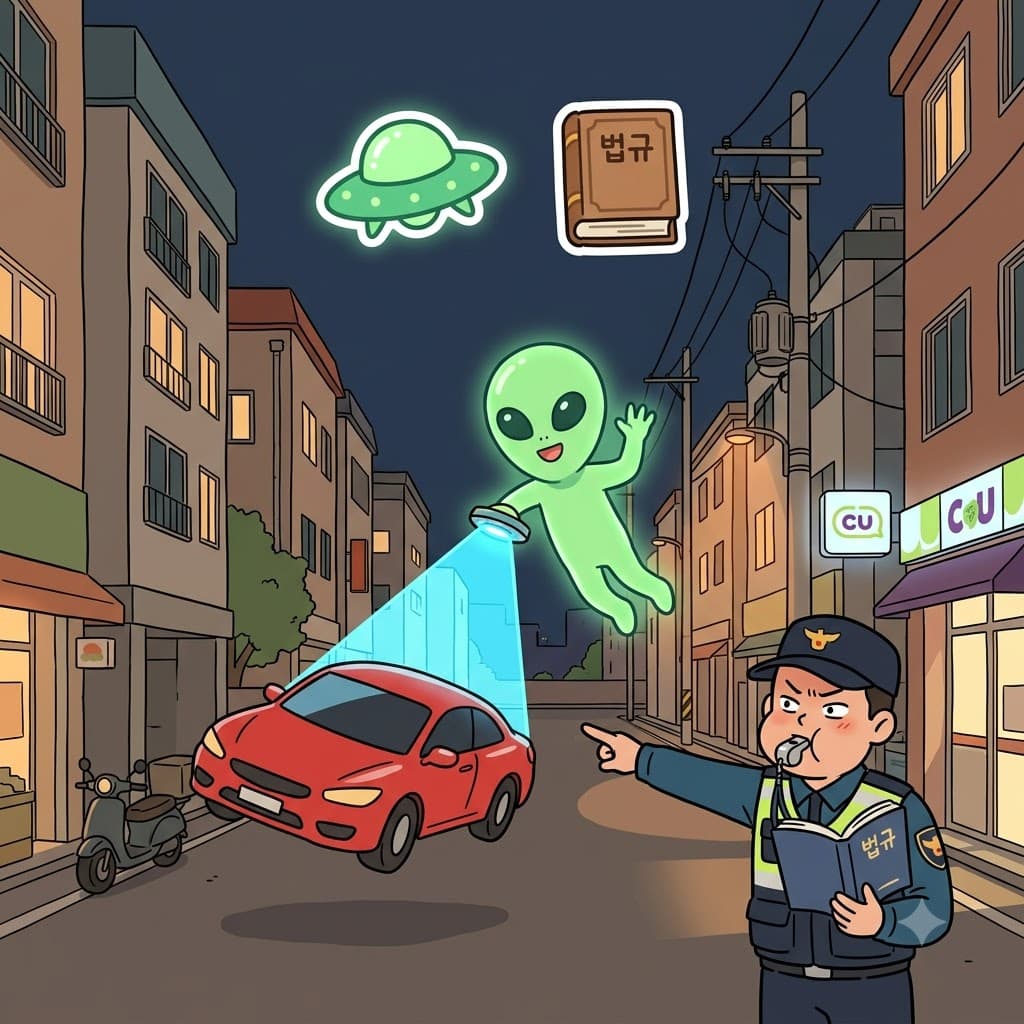
ALIEN(alien) + MORAL(ethics) — the ALIEN completely ignored human MORAL rules, making an amoral choice to steal the shiny car.

Blindly stomping on the beautiful floral garden, the giant dinosaur showed its completely amoral nature.
Got the picture? Now let's practice.
🎤Pronunciation
🌳Etymology
Origin
From Greek, combining the prefix 'a-' meaning 'without' or 'lacking' with 'moral' from Latin 'moralis' meaning 'relating to customs or character'. The word describes someone who exists outside the realm of moral consideration entirely.
Breakdown
a- (without/lacking) + moral (relating to ethics or right conduct)
🎵Rhyme
🔗Collocations
📝Examples
“The tornado was completely amoral - it destroyed both the villain's hideout and the orphanage with equal indifference.”
“Scientists strive to maintain an amoral perspective when conducting research.”
“His amoral attitude toward business made him successful but friendless.”
“Money itself is amoral - it's how people use it that makes the difference.”
📚Related Words
Want to master 27,000+ words?
Sign up free for flashcards & quizzes.