skew — to change or influence something in a way that is not accurate, fair, or normal
Part of speech: VERB
Definition: to change or influence something in a way that is not accurate, fair, or normal
Pronunciation (IPA): /skjuː/
Example Sentences
- My professor's love for pizza completely skewed his lecture on Italian culture.
- The survey results were heavily skewed because only cat lovers responded.
- His perception of reality was skewed after watching too many superhero movies.
skew
VERB[/skjuː/]
to change or influence something in a way that is not accurate, fair, or normal

Exaggerating the truth distorts reality
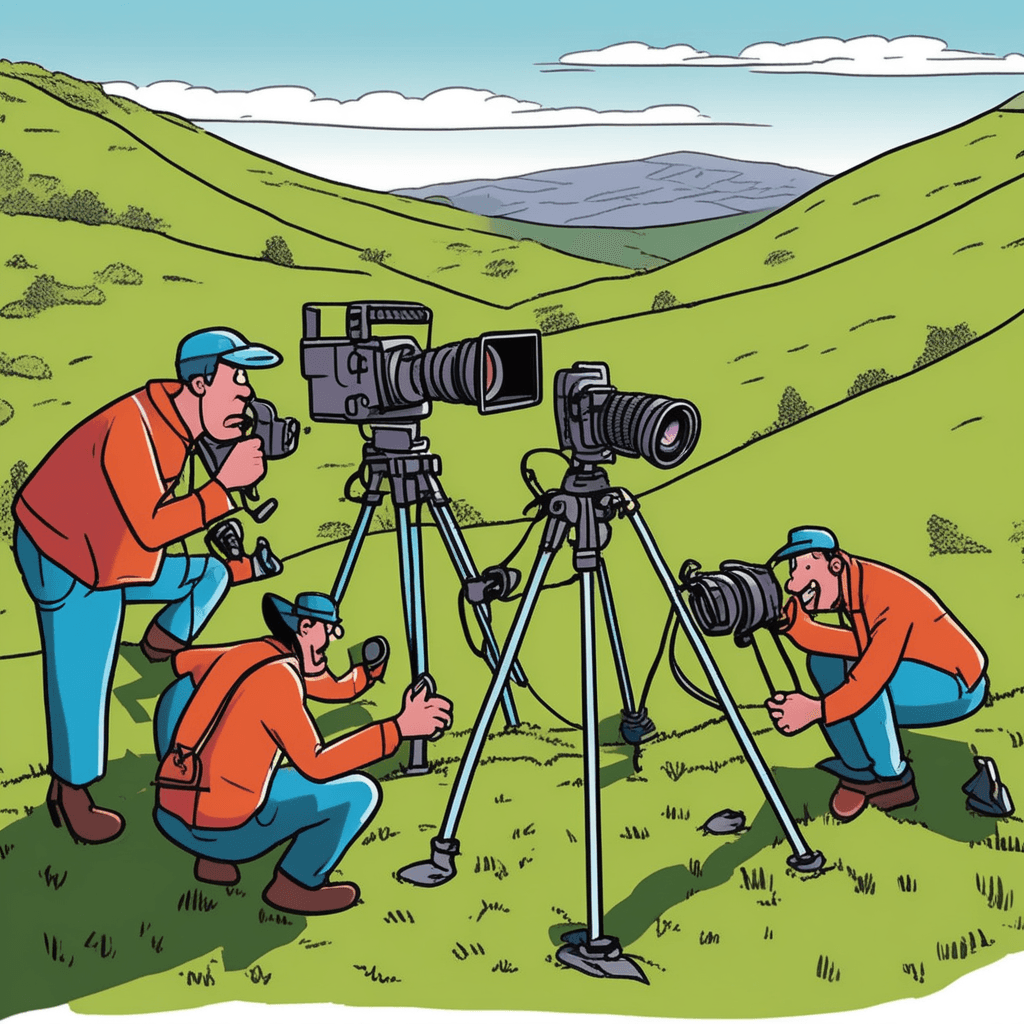
The crew's skewed view distorts the true view!
Got the picture? Now let's practice.
🎤Pronunciation
🌳Etymology
Origin
The word 'skew' derives from Middle Dutch 'scheef', meaning 'slanted' or 'crooked'. It entered English through Dutch influence and evolved to mean 'to turn or place at an angle' and later 'to distort or bias'.
Breakdown
scheef (Middle Dutch: slanted, crooked) → skew. The root 'scheef' directly corresponds to the English form, with the semantic shift from a physical angle to an abstract distortion.
🎵Rhyme
🔗Collocations
📝Examples
“My professor's love for pizza completely skewed his lecture on Italian culture.”
“The survey results were heavily skewed because only cat lovers responded.”
“His perception of reality was skewed after watching too many superhero movies.”
“The age distribution in the tech company is heavily skewed toward younger employees.”
📚Related Words
Want to master 27,000+ words?
Sign up free for flashcards & quizzes.