have since been — used to indicate actions or states that started at some point in the past and continue to the present
Part of speech: VERB
Definition: used to indicate actions or states that started at some point in the past and continue to the present
Pronunciation (IPA): /hæv sɪns bɪn/
Example Sentences
- The office coffee machine broke last month, but the employees have since been surprisingly more productive.
- The company's outdated systems have since been modernized to improve efficiency.
- My neighbor's singing lessons started badly, but they have since been getting much better - my eardrums are grateful.
have since been
VERB[/hæv sɪns bɪn/]
used to indicate actions or states that started at some point in the past and continue to the present

construction workers continue adding floors to a partially built structure that shows clear progression from its original foundation. The building displays multiple stages of completion with the lower floors finished and upper floors still under construction. Since the project began, new floors have been added and the structure has grown significantly taller. Workers on scaffolding continue the building process that started months ago and remains ongoing. Other crew members review blueprints while looking up at the continuously evolving structure. actions that started at some point in the past and continue to the present
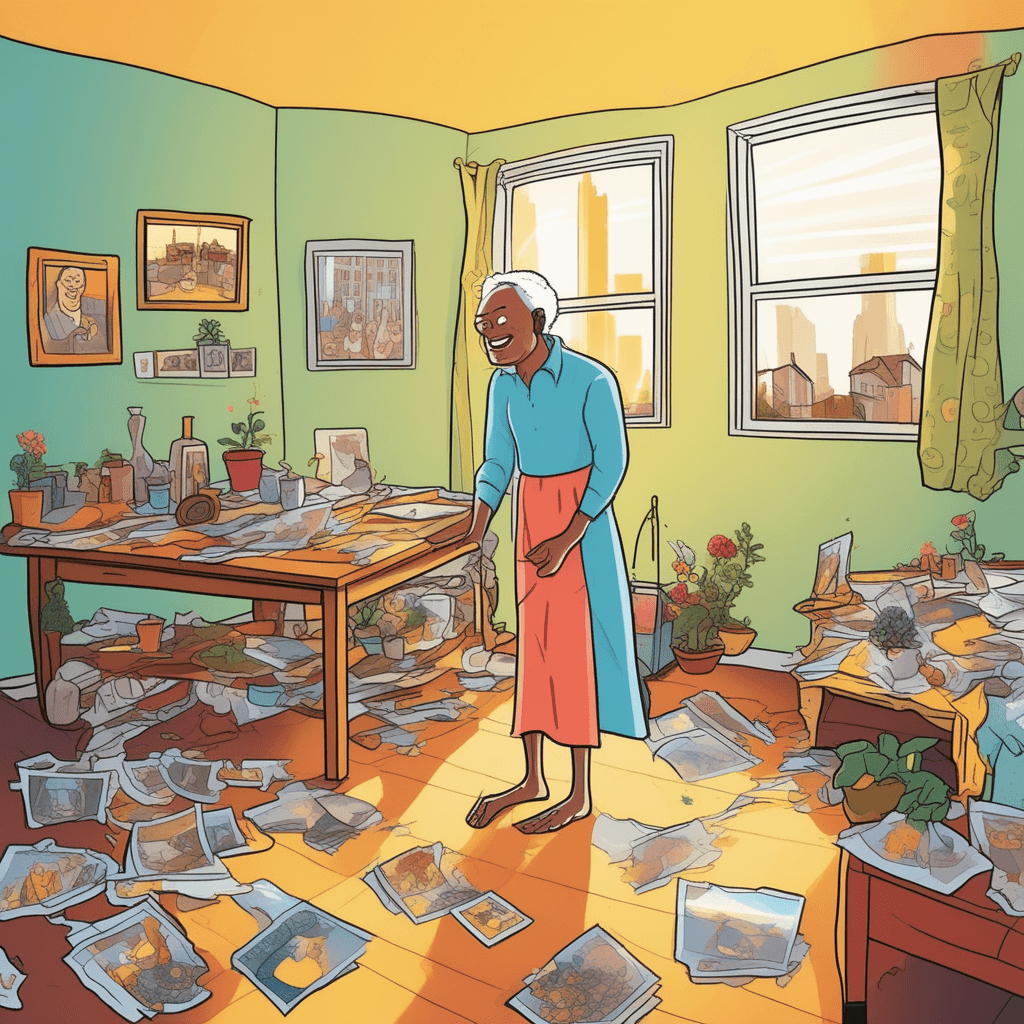
They live since clean, the changes give since seen!
Got the picture? Now let's practice.
🎤Pronunciation
🌳Etymology
Origin
This construction represents the present perfect continuous tense in English. 'Have' derives from Old English 'habban' (to possess), 'since' comes from Old French 'sines' (from Latin 'ab absentia', meaning from the absence of), and 'been' is the past participle of 'be' from Old English 'beon'. Together, they form a grammatical structure expressing an action that began at a specific point in the past and continues into the present.
Breakdown
have (auxiliary verb indicating completion) + since (adverb denoting continuity from a specific time point) + been (past participle of 'be', the copula verb). The structure combines the perfective aspect with temporal continuity to indicate an ongoing state or action from a defined moment to the present.
🎵Rhyme
🔗Collocations
📝Examples
“The office coffee machine broke last month, but the employees have since been surprisingly more productive.”
“The company's outdated systems have since been modernized to improve efficiency.”
“My neighbor's singing lessons started badly, but they have since been getting much better - my eardrums are grateful.”
“The new regulations have since been adopted by multiple organizations worldwide.”
📚Related Words
Want to master 17,000+ words?
Sign up free for flashcards & quizzes.