allusion — An indirect reference to another work of literature, person, place, or event, usually implied rather than explicitly stated.
Part of speech: NOUN
Definition: An indirect reference to another work of literature, person, place, or event, usually implied rather than explicitly stated.
Pronunciation (IPA): /əˈluːʒən/
Example Sentences
- His speech was full of allusions to classic movies that only film buffs would understand.
- When she said 'Et tu, Brute?' to her backstabbing colleague, it was a clear allusion to Julius Caesar.
- The author's allusion to Noah's ark was lost on readers unfamiliar with the Bible.
allusion
NOUN[/əˈluːʒən/]
An indirect reference to another work of literature, person, place, or event, usually implied rather than explicitly stated.
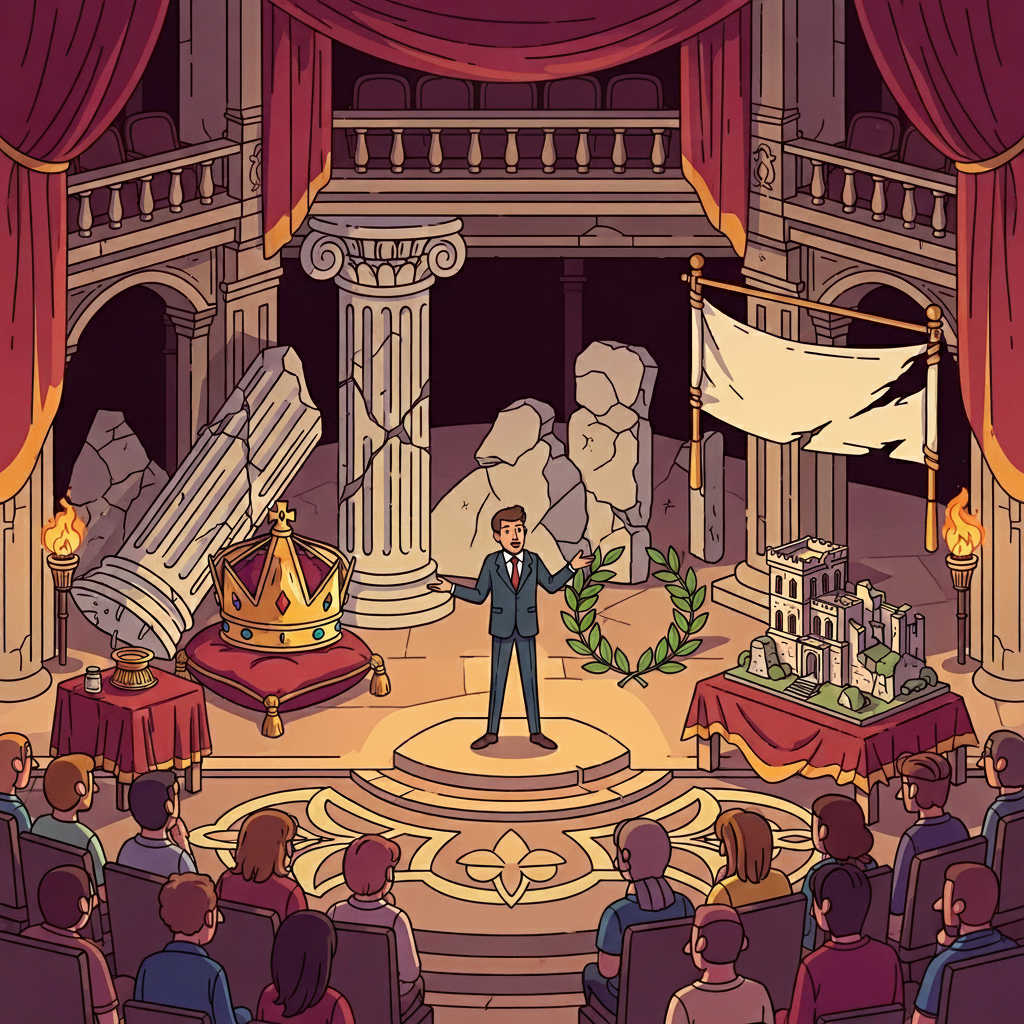
The speaker makes an allusion to a famous king by mentioning a crown and a fallen empire without saying his name.
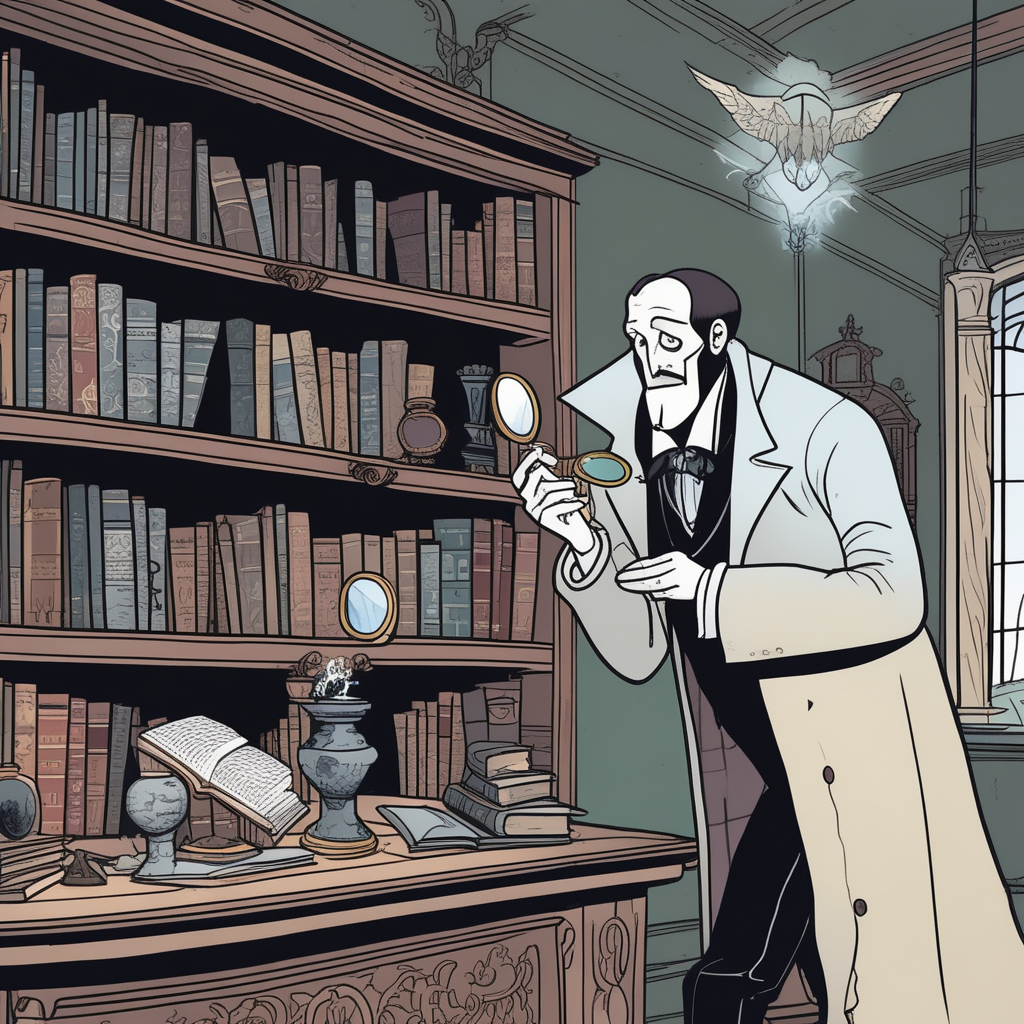
Every allusion breaks the illusion, leading to the right conclusion!
Got the picture? Now let's practice.
🎤Pronunciation
🌳Etymology
Origin
From Latin alludere, meaning 'to play with' or 'to jest at.' The idea is like playing a game where you hint at something without saying it directly.
Breakdown
ad- (toward) + ludere (to play) → alludere (to play with/hint at)
🎵Rhyme
📝Examples
“His speech was full of allusions to classic movies that only film buffs would understand.”
“When she said 'Et tu, Brute?' to her backstabbing colleague, it was a clear allusion to Julius Caesar.”
“The author's allusion to Noah's ark was lost on readers unfamiliar with the Bible.”
“My teacher's allusion to 'sour grapes' made everyone think of Aesop's fable about the fox.”
📚Related Words
Synonyms
Antonyms
Want to master 19,000+ words?
Sign up free for flashcards & quizzes.