tame — not wild or fierce; domesticated and gentle
Part of speech: ADJECTIVE
Definition: not wild or fierce; domesticated and gentle
Pronunciation (IPA): /teɪm/
Example Sentences
- My cat is so tame that it sleeps through thunderstorms.
- The party was disappointingly tame - no one even danced.
- He managed to tame his wild hair with extra gel.
tame
ADJECTIVE[/teɪm/]
not wild or fierce; domesticated and gentle
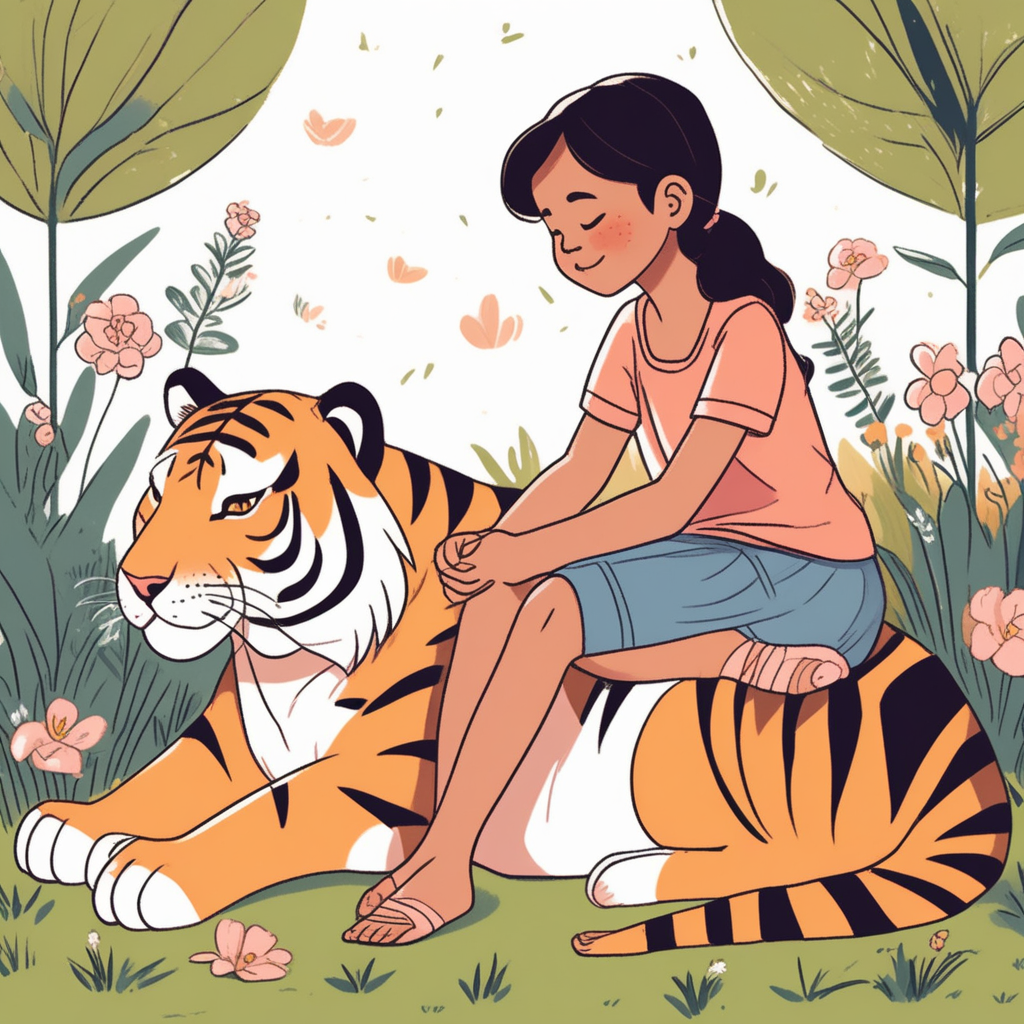
Girl petting her tame tiger

When wild beasts become tame, they win both game and fame!
Got the picture? Now let's practice.
🎤Pronunciation
🌳Etymology
Origin
From Old English 'tam' meaning domesticated or gentle, derived from Proto-Germanic '*tamaz', which is related to the concept of breaking in or subduing animals for human use.
Breakdown
tam (Old English: domesticated) + -e (Middle English suffix) = tame. The word is a simple root with no complex morpheme breakdown, as it comes directly from the base Germanic form.
🎵Rhyme
🔗Collocations
📝Examples
“My cat is so tame that it sleeps through thunderstorms.”
“The party was disappointingly tame - no one even danced.”
“He managed to tame his wild hair with extra gel.”
“The circus trainer spent years learning to tame lions.”
📚Related Words
Synonyms
Antonyms
Related
Want to master 19,000+ words?
Sign up free for flashcards & quizzes.