wallow — to roll around in mud, water, or dust for pleasure or comfort
Part of speech: VERB
Definition: to roll around in mud, water, or dust for pleasure or comfort
Pronunciation (IPA): /ˈwɑːloʊ/
Example Sentences
- After breaking up with his girlfriend, Tom decided to wallow in ice cream and sad movies for a week.
- The hippopotamus loves to wallow in the river to protect its skin from the sun.
- Instead of wallowing in failure, she used it as motivation to study harder.
wallow
VERB[/ˈwɑːloʊ/]
to roll around in mud, water, or dust for pleasure or comfort
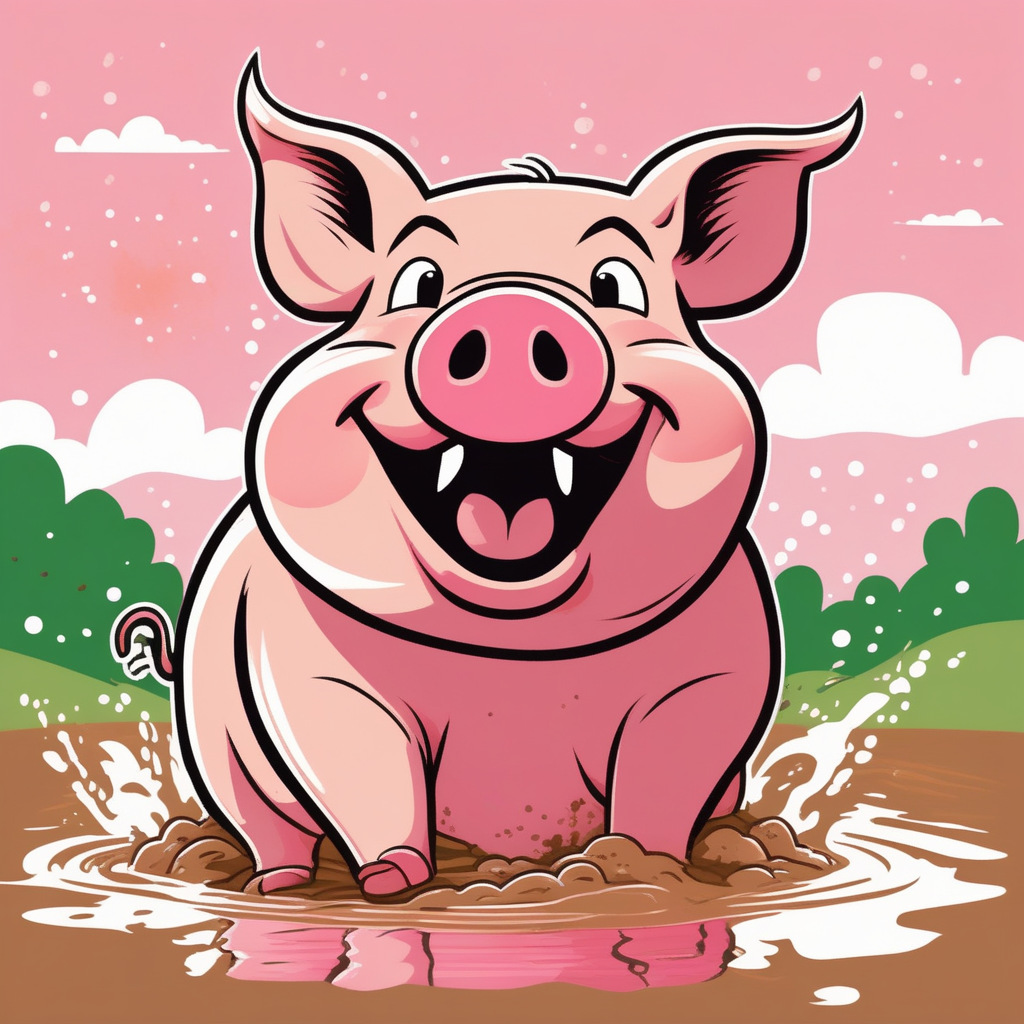
Pig wallowing in muddy water
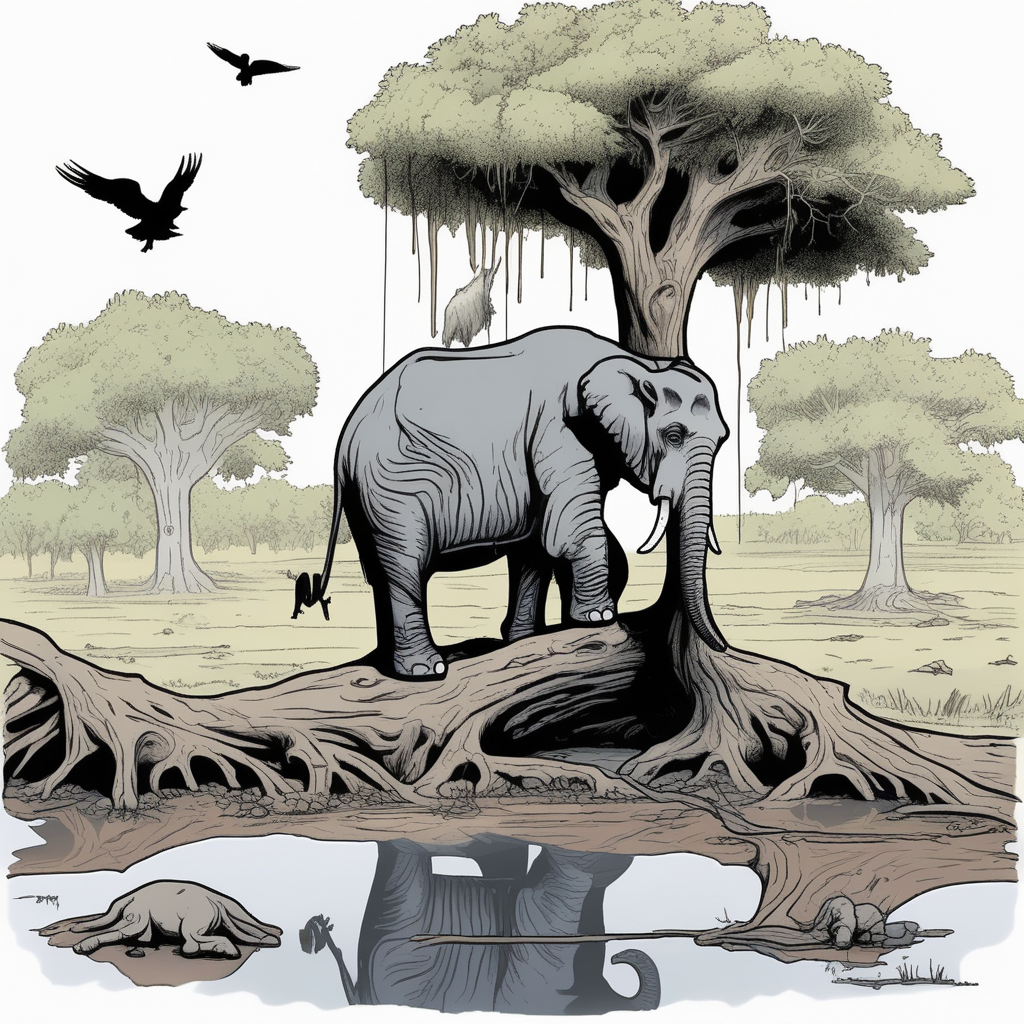
Elephants wallow in mud below, while swallows rest in trees so hollow
Got the picture? Now let's practice.
🎤Pronunciation
🌳Etymology
Origin
Derived from Old English 'wealwian', meaning 'to roll about'. This word is found across Germanic language families as a common root, originally describing the action of animals rolling their bodies in mud or dust, and gradually came to be applied to emotional or mental states.
Breakdown
wealwian (to roll about) — from Proto-Germanic root meaning 'to turn' or 'to roll', with the suffix -ian forming the verb in Old English.
🎵Rhyme
🔗Collocations
📝Examples
“After breaking up with his girlfriend, Tom decided to wallow in ice cream and sad movies for a week.”
“The hippopotamus loves to wallow in the river to protect its skin from the sun.”
“Instead of wallowing in failure, she used it as motivation to study harder.”
“My cat likes to wallow in the sunny spot on the carpet every afternoon.”
📚Related Words
Synonyms
Antonyms
Related
Want to master 19,000+ words?
Sign up free for flashcards & quizzes.