epilogue — a section or speech at the end of a book or play that serves as a comment on or conclusion to what has happened
Part of speech: NOUN
Definition: a section or speech at the end of a book or play that serves as a comment on or conclusion to what has happened
Pronunciation (IPA): /ˈepɪlɔːɡ/
Example Sentences
- The movie's epilogue showed the main character as a successful businessman, which was quite different from his humble beginning as a pizza delivery guy.
- In the epilogue of her autobiography, she thanked everyone except her ex-husband, whom she mentioned only as 'the person who shall not be named.'
- The epilogue of the novel takes place twenty years later and reveals the fate of all the main characters.
epilogue
NOUN[/ˈepɪlɔːɡ/]
a section or speech at the end of a book or play that serves as a comment on or conclusion to what has happened

The novel's epilogue reveals what happened to the hero ten years later.

The epilogue came after the ending, giving readers a final look at the characters' lives. (Think of: LOGUE = words / story, EPI- = upon / after / additional)
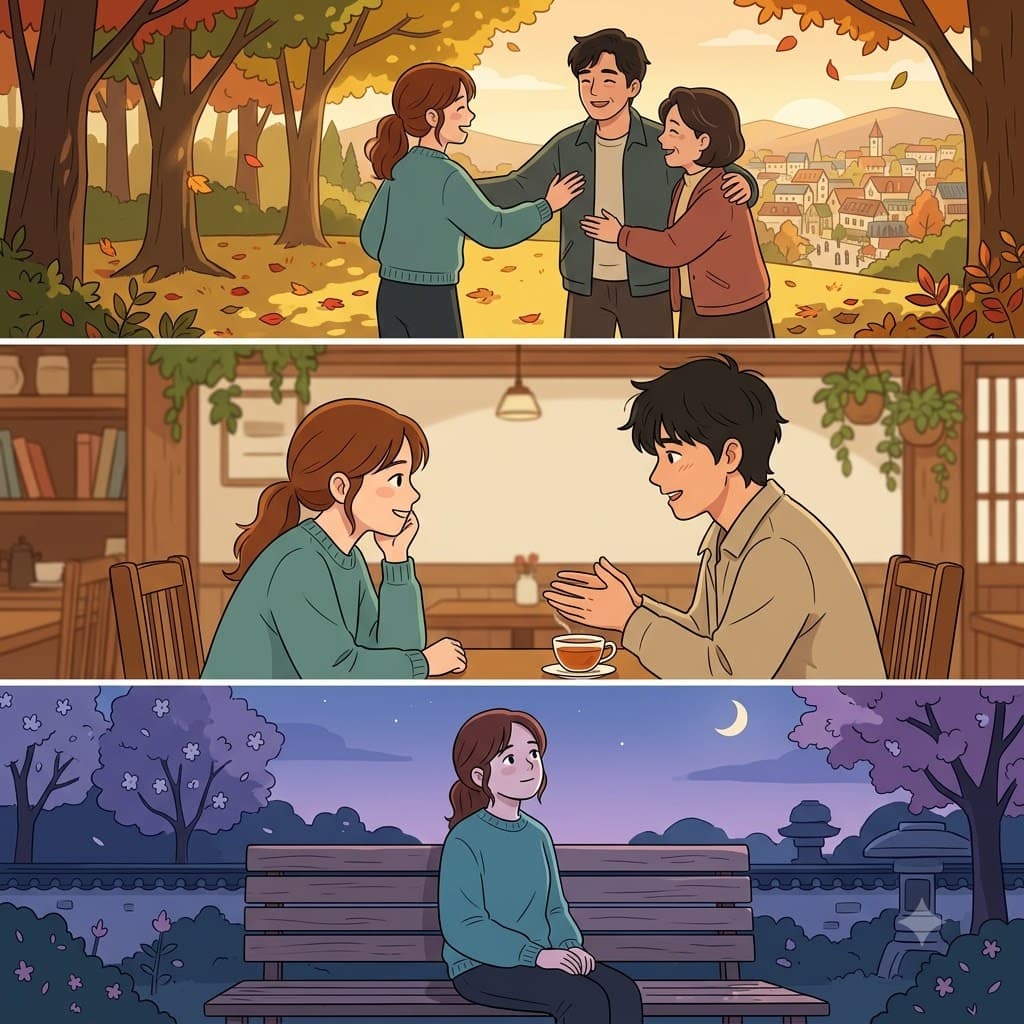
The epilogue ended with a final dialogue, followed by the hero's quiet monologue.
Got the picture? Now let's practice.
🎤Pronunciation
🌳Etymology
Origin
From Greek 'epilogos', combining 'epi' (upon, after) and 'logos' (word, speech). The term originally referred to a concluding speech or section added after the main work.
Breakdown
epi- (upon, after) + -logue (from logos: word, speech) = epilogue
🎵Rhyme
🔗Collocations
📝Examples
“The movie's epilogue showed the main character as a successful businessman, which was quite different from his humble beginning as a pizza delivery guy.”
“In the epilogue of her autobiography, she thanked everyone except her ex-husband, whom she mentioned only as 'the person who shall not be named.'”
“The epilogue of the novel takes place twenty years later and reveals the fate of all the main characters.”
“Shakespeare often used an epilogue to ask the audience for applause and forgiveness for any shortcomings in the play.”
📚Related Words
Want to master 27,000+ words?
Sign up free for flashcards & quizzes.