differ — to be unlike or dissimilar; to disagree in opinion
Part of speech: VERB
Definition: to be unlike or dissimilar; to disagree in opinion
Pronunciation (IPA): /ˈdɪfər/
Example Sentences
- My taste in music differs from my sister's - she loves K-pop while I prefer jazz.
- The twins may look identical, but their personalities differ like day and night.
- We differ on pizza toppings - I say pineapple belongs, but he thinks it's a crime against humanity.
differ
VERB[/ˈdɪfər/]
to be unlike or dissimilar; to disagree in opinion
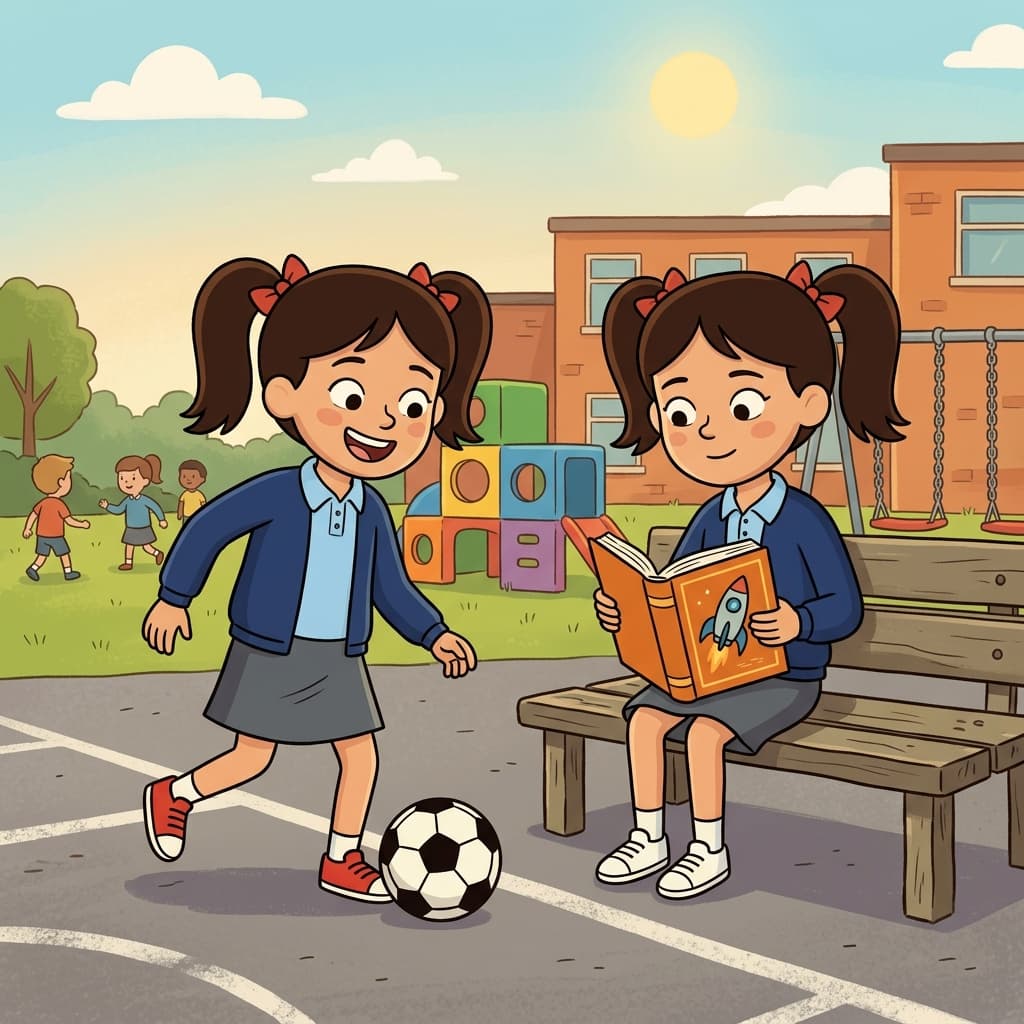
The twins looked similar, but their personalities differed greatly.
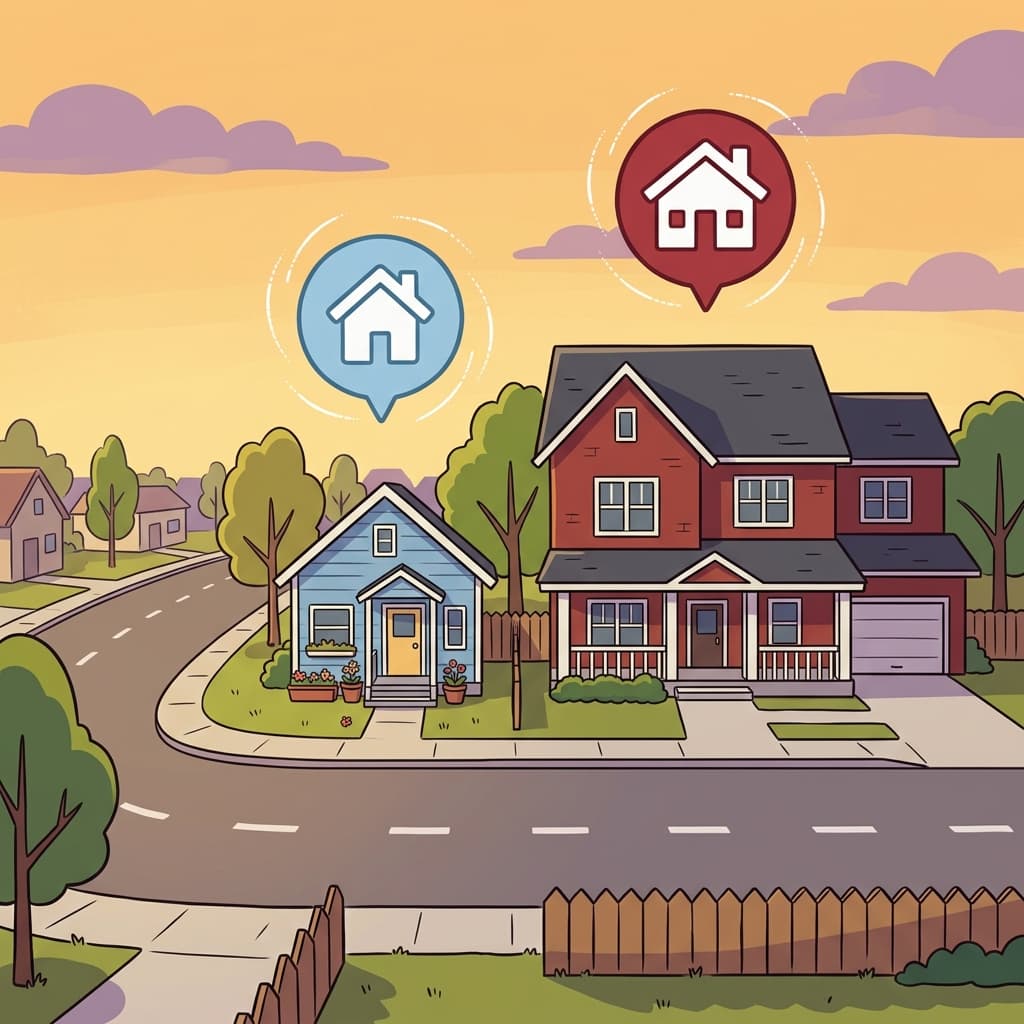
The two houses differed in color, size, and design. (DIFFER → DIFFERENT → if things are different, they differ)
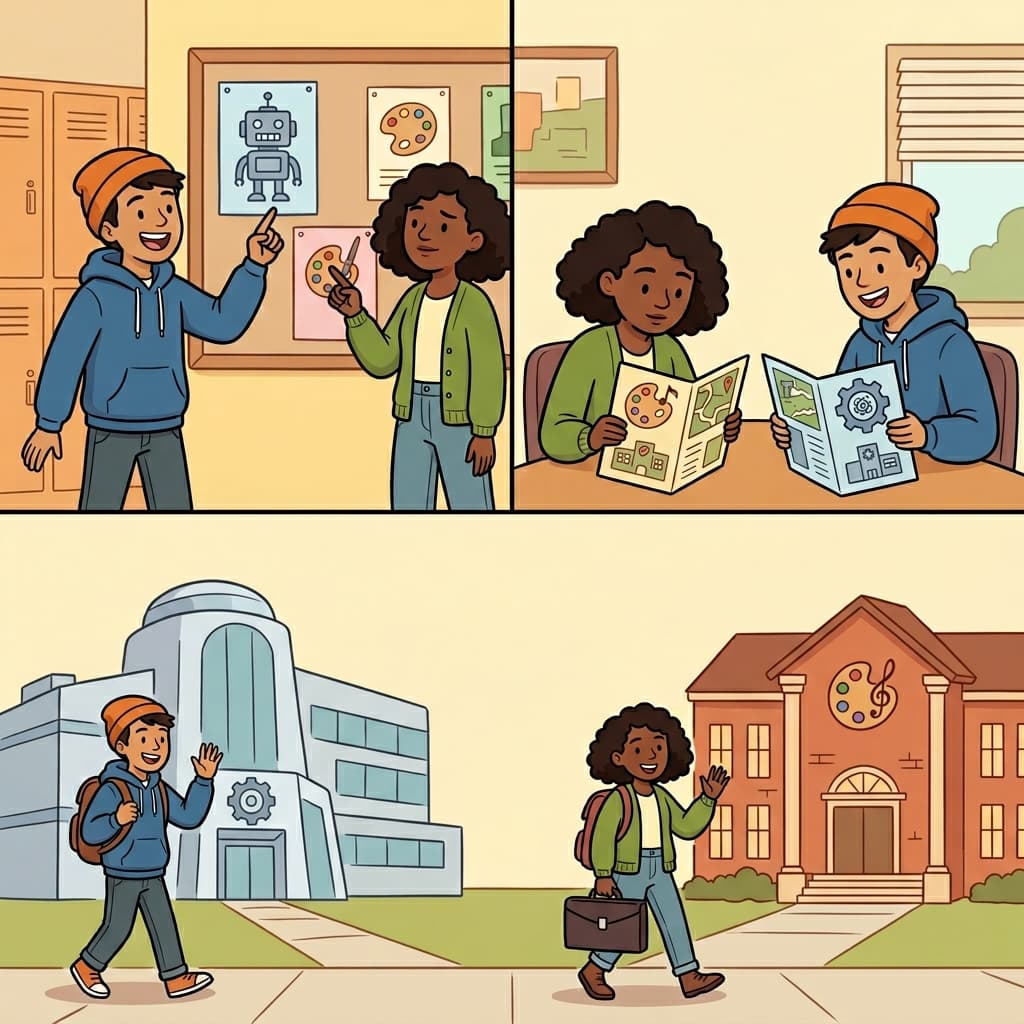
The students differed because they preferred different schools and later transferred to separate campuses.
Got the picture? Now let's practice.
🎤Pronunciation
🌳Etymology
Origin
The word derives from Latin 'differre', composed of the prefix 'dis-' (apart) and the verb 'ferre' (to carry). The literal sense of 'carrying apart' evolved to mean 'to distinguish' or 'to be unlike', establishing the modern sense of difference.
Breakdown
dis- (apart, asunder) + ferre (to carry, bear) = differre (to carry in different directions, hence to differ or distinguish).
🎵Rhyme
🔗Collocations
📝Examples
“My taste in music differs from my sister's - she loves K-pop while I prefer jazz.”
“The twins may look identical, but their personalities differ like day and night.”
“We differ on pizza toppings - I say pineapple belongs, but he thinks it's a crime against humanity.”
“The price of coffee differs dramatically between a convenience store and a fancy café.”
📚Related Words
Want to master 27,000+ words?
Sign up free for flashcards & quizzes.