ghastly — causing great horror or fear; extremely unpleasant
Part of speech: ADJECTIVE
Definition: causing great horror or fear; extremely unpleasant
Pronunciation (IPA): /ˈɡæstli/
Example Sentences
- My cooking was so ghastly that even the dog refused to eat it.
- The student's ghastly excuse was that his homework was eaten by a vegetarian dinosaur.
- The witness turned ghastly when asked to describe what he had seen.
ghastly
ADJECTIVE[/ˈɡæstli/]
causing great horror or fear; extremely unpleasant
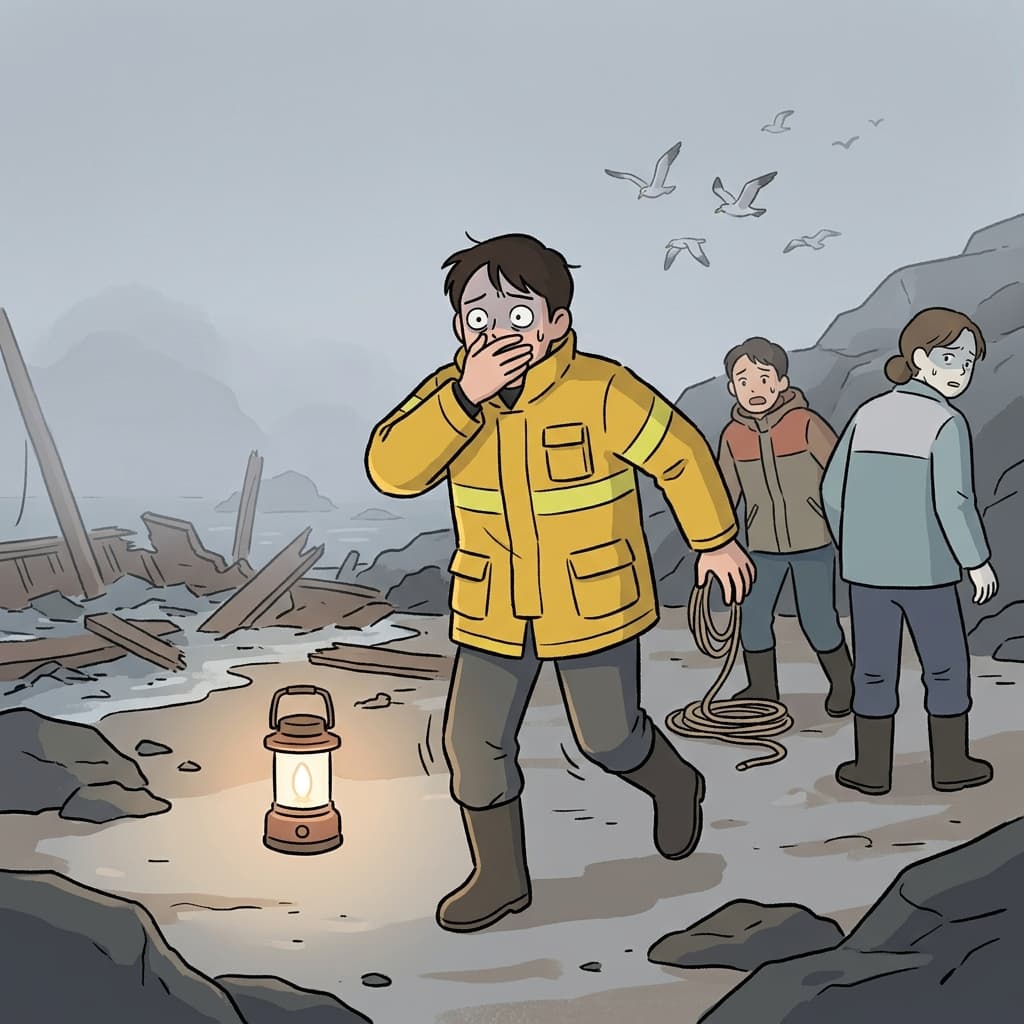
The ghastly scene at the shipwreck left rescuers frozen in shock.
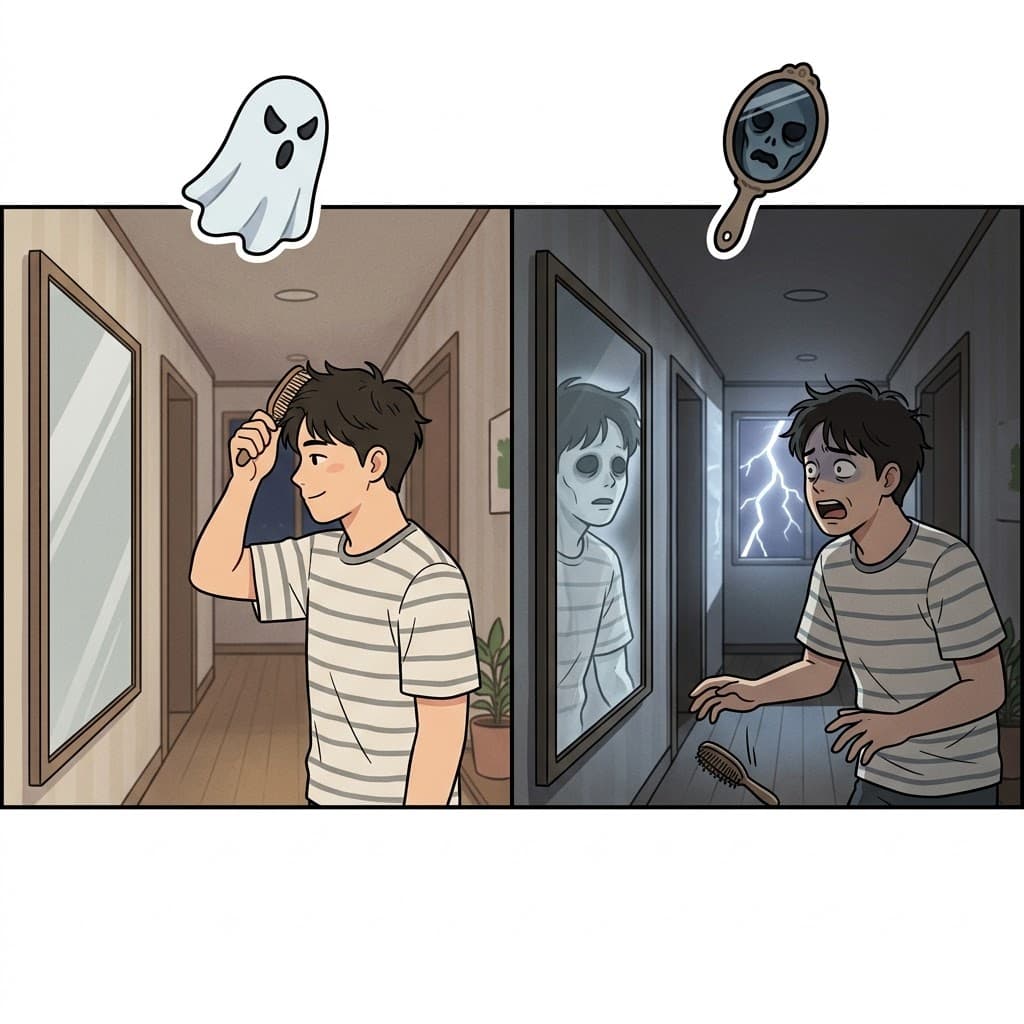
GHAST (ghost) + LY (like) — looking exactly like a pale GHAST (ghost) rising from the mist, the phantom's face was completely ghastly.
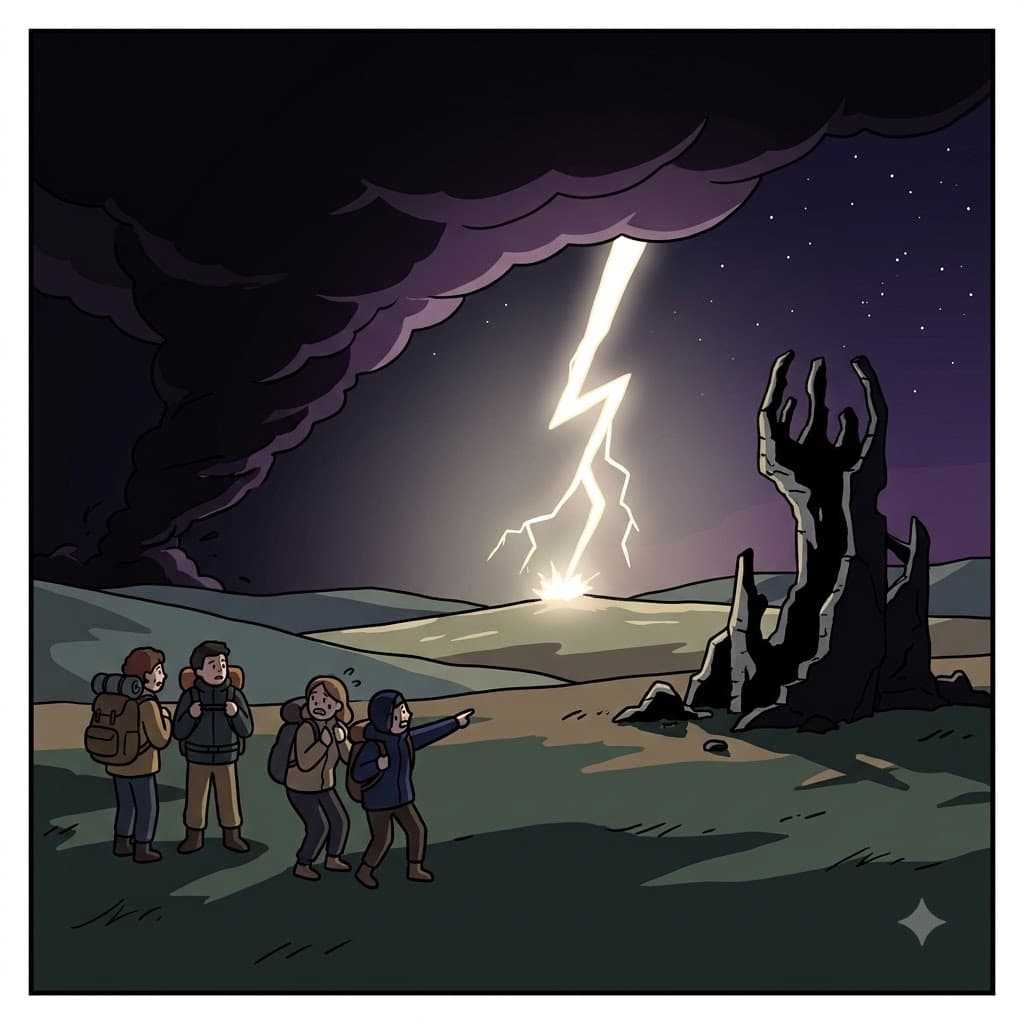
Growing vastly across the dark sky and striking one lightning bolt lastly, the storm revealed a ghastly shadow of a ruined tower.
Got the picture? Now let's practice.
🎤Pronunciation
🌳Etymology
Origin
From Middle English 'gastly,' derived from the Old English 'gæstan' meaning 'to frighten or terrify.' The word evolved through Germanic roots related to fear and spiritual dread.
Breakdown
gast (to frighten, from Old English gæstan) + -ly (adverb/adjective suffix meaning 'in the manner of') = ghastly (in a frightening manner; horrible)
🎵Rhyme
🔗Collocations
📝Examples
“My cooking was so ghastly that even the dog refused to eat it.”
“The student's ghastly excuse was that his homework was eaten by a vegetarian dinosaur.”
“The witness turned ghastly when asked to describe what he had seen.”
“The ghastly smell from the laboratory made everyone evacuate the building.”
📚Related Words
Want to master 27,000+ words?
Sign up free for flashcards & quizzes.