laissez-faire — an economic policy of minimum governmental interference in business and trade
Part of speech: NOUN
Definition: an economic policy of minimum governmental interference in business and trade
Pronunciation (IPA): /ˌleɪseɪˈfer/
Example Sentences
- The CEO's laissez-faire management style meant employees could work from a hammock if they wanted to.
- Critics argue that laissez-faire economics can lead to inequality and market failures.
- Her laissez-faire approach to cooking means dinner could be gourmet or disaster.
laissez-faire
NOUN[/ˌleɪseɪˈfer/]
an economic policy of minimum governmental interference in business and trade

an economic policy of minimum governmental interference in business and trade
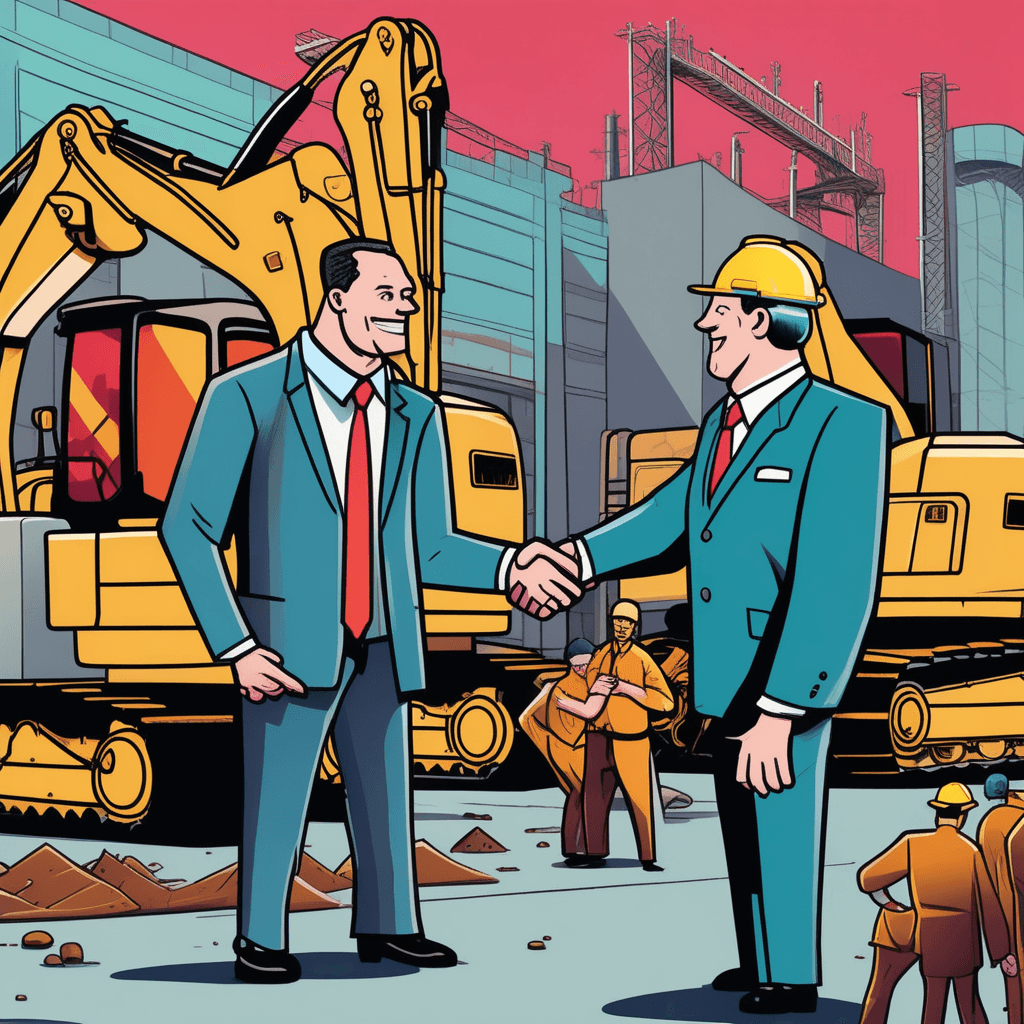
Laissez-faire turns business affair unfair
Got the picture? Now let's practice.
🎤Pronunciation
🌳Etymology
Origin
This phrase originated in 18th-century France among economic theorists advocating for minimal government intervention in commerce. The expression emerged as merchants demanded that authorities refrain from interfering with their business activities, embodying the principle that markets function best when left unregulated.
Breakdown
laissez (let, allow) + faire (to do/make), literally meaning 'let it be done' or 'allow [them] to do [it]'. The imperative construction conveys the concept of non-interference in economic affairs.
🎵Rhyme
🔗Collocations
📝Examples
“The CEO's laissez-faire management style meant employees could work from a hammock if they wanted to.”
“Critics argue that laissez-faire economics can lead to inequality and market failures.”
“Her laissez-faire approach to cooking means dinner could be gourmet or disaster.”
“The country adopted a laissez-faire trade policy to encourage foreign investment.”
📚Related Words
Want to master 27,000+ words?
Sign up free for flashcards & quizzes.