sad — feeling or showing sorrow; unhappy
Part of speech: ADJECTIVE
Definition: feeling or showing sorrow; unhappy
Pronunciation (IPA): /sæd/
Example Sentences
- My dog ate my homework, and now I'm sad about failing the test.
- She was sad to leave her friends behind.
- It's sad that pizza doesn't count as a vegetable anymore.
sad
ADJECTIVE[/sæd/]
feeling or showing sorrow; unhappy

A teenager feels sad after reading disappointing news in their bedroom
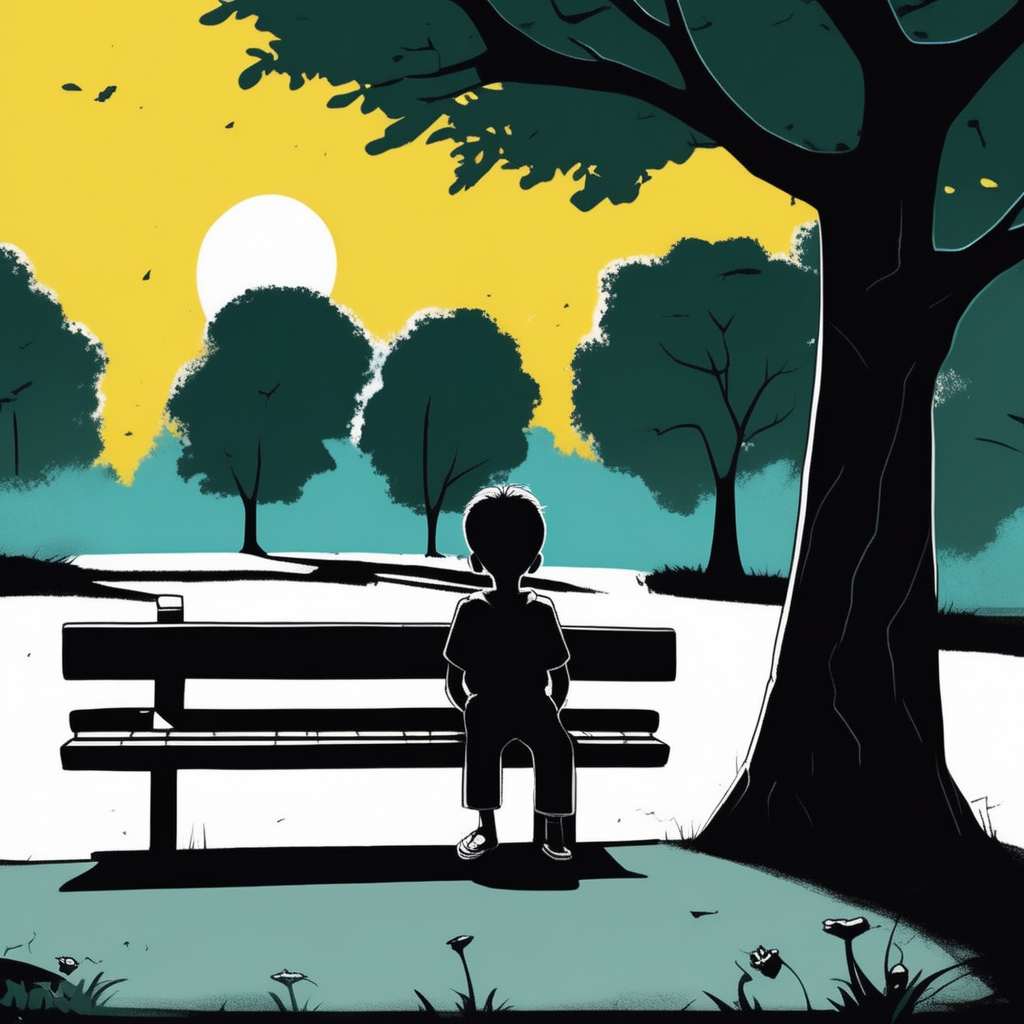
When dad gets mad, the child feels sad
Got the picture? Now let's practice.
🎤Pronunciation
🌳Etymology
Origin
Derived from Old English 'sæd', originally meaning 'full' or 'satisfied' (as in satiated). The semantic shift occurred gradually through Middle English, transitioning from 'weighty' and 'serious' to the modern sense of 'sorrowful' or 'unhappy'.
Breakdown
Old English 'sæd' (full, satisfied) → Middle English shift to 'serious, grave' → Modern English 'sad' (sorrowful). The root relates to Proto-Germanic *sathaz, meaning filled or sated, with the emotional connotation developing as 'full of sadness' over centuries.
🎵Rhyme
🔗Collocations
📝Examples
“My dog ate my homework, and now I'm sad about failing the test.”
“She was sad to leave her friends behind.”
“It's sad that pizza doesn't count as a vegetable anymore.”
“The sad truth is that Monday comes after every Sunday.”
📚Related Words
Synonyms
Antonyms
Related
Want to master 19,000+ words?
Sign up free for flashcards & quizzes.